November is a transition month for workplace safety. Daylight saving time ends, mornings turn frosty, roads get busier and darker, and many businesses start ramping up for the holiday rush. None of these changes arrive with a warning label, which is exactly why they catch crews off guard.
The hazards are familiar: drowsy and distracted driving, slips on wet leaves and early ice, cold stress, heaters running in closed spaces, and new seasonal workers learning the job under pressure. What makes November different is that they all show up at once. This guide covers the most important November workplace safety topics, with practical controls and toolbox talk ideas you can use with your team this month.
Why November Changes Your Risk Picture
Most incidents in late fall do not come from new hazards. They come from old hazards in new conditions. A delivery route that was safe in daylight in October is driven in the dark in November. A loading dock that was dry all summer is slick with frost at 6 a.m. A warehouse that ran on a steady crew now has temporary workers who started last week.
The best approach is to review your hazard assessments before conditions change, not after the first incident. Use the topics below as a checklist for your November safety meetings, inspections and training plans.
1. Darker Commutes After Daylight Saving Time Ends
Daylight saving time ended on Sunday, November 1, 2026. Clocks moved back an hour, so the evening commute now happens at or after sunset for millions of workers. For anyone who drives, walks or works near traffic, visibility drops overnight.
Pedestrians face the biggest change. About three out of four pedestrian deaths in the United States happen in dark conditions, according to NHTSA crash data. Workers who park in large lots, walk between buildings, or work along roadsides are all affected.
Controls for darker hours
- Audit your lighting. Walk parking lots, walkways, loading docks and building entrances after dark. Replace burned-out bulbs and add lighting where workers cross traffic.
- Upgrade high-visibility gear. Workers near traffic or moving equipment should wear high-visibility apparel suited to low light, with retroreflective material that shows up in headlights.
- Separate people and vehicles. Mark pedestrian routes in parking lots and yards, and remind drivers to slow down near shift change.
- Brief your drivers. Remind fleet drivers that sun glare during the first weeks after the time change can be worse on morning and evening routes, and that headlights should be on from dusk onward.
2. Drowsy Driving Prevention Week (November 1 to 7)
The National Sleep Foundation recognizes Drowsy Driving Prevention Week from November 1 to 7, 2026, timed with the end of daylight saving time. The NSF estimates that drowsy driving is involved in about one in five fatal crashes on U.S. roads. Shift workers, long-haul drivers and anyone working extended hours are at higher risk.
Fatigue is hard to self-diagnose. People often feel more alert than they really are, and the extra hour of sleep from the time change does not make up for weeks of short nights. For employers, drowsy driving is a workplace issue whenever employees drive for work or commute after long or overnight shifts.
Warning signs to share with drivers
- Frequent yawning or heavy eyelids
- Trouble remembering the last few miles
- Drifting between lanes or hitting rumble strips
- Missing exits, signs or turns
What employers can do
- Plan routes and schedules that allow rest breaks, and avoid scheduling driving right after overnight shifts.
- Set limits on consecutive work hours and back-to-back long shifts.
- Encourage drivers to stop when they feel tired, and make it clear they will not be penalized for doing so.
- Cover fatigue in a toolbox talk this week, and include it in your fleet safety policy.
3. Deer Season on the Roads
November is the peak month for animal collisions. State Farm reports that November, October and December are the most dangerous months for hitting an animal, in that order, with deer accounting for most claims. Mating season and hunting season both put deer on the move, and they are most active at dawn and dusk, which now overlaps with commuting hours.
Share these tips with anyone who drives for work:
- Slow down and scan the road edges in wooded or rural areas, especially near deer crossing signs.
- Use high beams when there is no oncoming traffic.
- Expect more than one. Deer often travel in groups, so if one crosses, others may follow.
- Brake firmly but do not swerve. Swerving can cause a rollover or a head-on crash that is far more dangerous than hitting the animal.
- Report every collision, even if the vehicle seems fine, so damage can be inspected.
4. Cold Stress Returns
The first cold snaps of the season are often the most dangerous because workers are not yet used to the cold and have not switched to winter gear. Cold stress happens when the body loses heat faster than it can produce it. Wind, wet clothing and physical exhaustion all speed up heat loss.
Know the cold-related illnesses
- Hypothermia occurs when body temperature drops too low. Early signs include shivering, fatigue and confusion. It can happen even at cool temperatures above 40°F if a worker is wet from rain, sweat or immersion.
- Frostbite freezes the skin and underlying tissue, most often on fingers, toes, ears and the nose. Watch for numbness and skin that turns pale, waxy or gray.
- Trench foot is caused by feet staying wet and cold for long periods. NIOSH notes it can occur at temperatures as high as 60°F, which makes it a real risk in rainy November weather.
Controls for cold work
- Train workers and supervisors to recognize cold stress symptoms in themselves and each other.
- Schedule outdoor work for the warmest part of the day when possible.
- Provide warm break areas and warm, non-caffeinated drinks.
- Encourage layered clothing, insulated and waterproof boots, and spare dry socks and gloves.
- Use a buddy system for outdoor and remote work, and watch new and returning workers closely.
OSHA does not have a specific cold stress standard, but employers are still responsible for protecting workers from recognized hazards under the General Duty Clause. For a full seasonal checklist, see our guide to winter safety tips every workplace should follow.
5. Slips, Trips and Falls on Leaves, Frost and Early Ice
Slips and falls are among the most common workplace injuries all year, and November adds new surfaces to the list. Wet leaves are as slick as ice. Morning frost forms on ramps, stairs, metal grating and truck beds. Rain gets tracked indoors and pools near entrances.
- Clear leaves from walkways, stairs, parking lots and loading docks on a regular schedule.
- Check for frost early. Have the first person on site inspect ramps, stairs and docks before the crew arrives, and treat icy spots right away.
- Stock winter supplies now. Get ice melt, sand, shovels and absorbent entrance mats in place before the first freeze, not during it.
- Remind workers to slow down. Short steps, hands free, and three points of contact on ladders, stairs and vehicle steps.
- Fix drainage. Clean gutters and drains so water does not pool and refreeze on walkways overnight.
6. Space Heaters, Temporary Heat and Carbon Monoxide
As temperatures drop, crews close bay doors, tarp in structures and bring in heaters. Temporary heat keeps work moving, but it adds fire and carbon monoxide (CO) risks. Direct-fired propane, kerosene and diesel heaters release exhaust into the space they heat, and gas-powered tools and idling vehicles in closed shops add more.
- Inspect heaters before first use and keep them away from combustible materials.
- Never run generators or gas-powered equipment indoors or near air intakes.
- Use CO monitors with audible alarms in shops, warehouses and enclosed work areas.
- Ban unapproved personal space heaters in offices, and require that approved units have tip-over and overheat shutoff.
For exposure limits, symptoms and controls, read our full guide to carbon monoxide hazards in winter worksites and shops.
7. Holiday Staffing, Seasonal Workers and Crowds
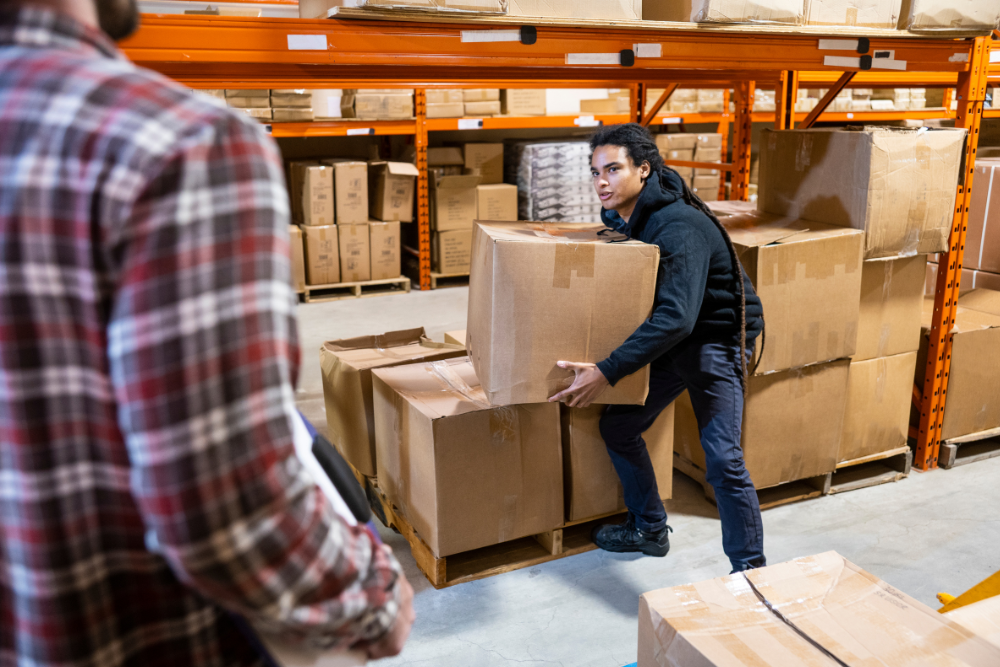
For retail, warehousing, logistics and delivery operations, November is the start of peak season. Black Friday falls on November 27, 2026, and order volumes climb all month. More work, more pressure and more new people on the floor is a classic recipe for injuries.
Protect seasonal and temporary workers
New workers are injured at much higher rates than experienced ones, and seasonal hires often start during the busiest weeks of the year. When workers come through a staffing agency, OSHA considers the agency and the host employer jointly responsible for their safety.
- Give every new hire site-specific safety training before they start work, not after their first week.
- Cover the hazards of their actual tasks: lifting, powered equipment, conveyors, box cutters and traffic in the warehouse.
- Pair new workers with experienced mentors for their first shifts.
- Make sure they know how to report a hazard, a near miss or an injury.
Plan for crowds and peak volume
OSHA's crowd management guidelines for retailers recommend planning for large sales events well in advance. Key steps include:
- Set up barricades or rope lines so customers do not line up directly in front of entrances.
- Assign trained staff or security to manage entrances and crowd flow.
- Keep emergency exits and aisles clear of displays, carts and extra stock.
- Have an emergency plan, and share it with local police and fire departments before the event.
- Brief workers on what to do if a crowd surges or a medical emergency occurs.
Behind the scenes, keep an eye on overtime and fatigue. Long shifts during peak season lead to the same kinds of mistakes as drowsy driving: slowed reactions, poor judgment and shortcuts.
8. Thanksgiving Week and Health Awareness
Thanksgiving falls on November 26, 2026. The days before a holiday tend to bring rushing, short staffing and distraction as people try to finish work and leave early. It is a good week to remind supervisors not to let deadlines override safety procedures, and to plan coverage so remaining crews are not stretched thin. Many employees also travel long distances for the holiday, which makes a drowsy driving reminder worth repeating.
November is also a natural time for workplace health topics. The American Cancer Society's Great American Smokeout takes place on the third Thursday of November, November 19, 2026, and is an easy opening to share quit-smoking resources. With flu and respiratory illness season underway, it is also a good time to encourage vaccination, handwashing and staying home when sick.
A November Toolbox Talk Plan
Short, focused safety talks keep seasonal hazards top of mind. Here is a simple week-by-week plan for November:
- Week 1 (November 2): Darker commutes, visibility and drowsy driving.
- Week 2 (November 9): Deer collisions and safe winter driving.
- Week 3 (November 16): Cold stress, slips on leaves and frost, and heater safety.
- Week 4 (November 23): Holiday rush, fatigue, staying focused before Thanksgiving.
- Week 5 (November 30): Winter readiness review and lessons learned from the month's near misses.
Keep each talk to 10 or 15 minutes, use real examples from your own site, and ask crews what hazards they are seeing. The people doing the work usually spot seasonal changes first.
How SMS360 Helps You Stay Ahead of Seasonal Hazards
Seasonal safety works best when it is planned, scheduled and tracked. SMS360 brings those pieces together in one place:
- Audits & Inspections for lighting walkthroughs, heater checks and daily frost and ice inspections.
- Training Management to assign and track toolbox talks, cold stress training and seasonal onboarding.
- Incident Management to log vehicle incidents, slips and near misses and follow corrective actions through to completion.
- Safety Data Sheets to keep SDSs for ice melt, fuels and cleaning products accessible from any device.
Request a demo to see how SMS360 can support your safety program through the winter season.
Frequently Asked Questions
What are good safety topics for November?
Strong November safety topics include driving in the dark after daylight saving time ends, drowsy driving, deer collisions, cold stress, slips on wet leaves and frost, heater and carbon monoxide safety, seasonal worker training and holiday crowd management. Choose the topics that match your workforce, such as fleet safety for drivers or cold stress for outdoor crews.
Is there a federal cold stress standard?
No. OSHA does not have a specific standard for working in cold environments. However, employers have a duty under the General Duty Clause to protect workers from recognized hazards, including cold stress. NIOSH and OSHA both publish guidance on preventing cold-related illnesses and injuries.
How should employers prepare seasonal workers for the holiday rush?
Provide site-specific safety training before seasonal workers start, focused on the actual hazards of their jobs. Pair them with experienced coworkers, make sure they know how to report hazards and injuries, and coordinate with staffing agencies, since both the agency and the host employer share responsibility for temporary workers' safety.
Make November a Safe Start to Winter
November sets the tone for the rest of the winter season. Taking a few weeks now to review lighting, brief drivers, stock winter supplies, check heaters and train new hires prevents the incidents that tend to cluster in the darkest, busiest months of the year. Plan your November safety topics early, keep the conversation going in every shift, and your team will be ready for whatever winter brings.