Winter brings unique safety challenges that can affect employees both indoors and outdoors. Cold temperatures, slippery surfaces, reduced visibility, and increased equipment strain all raise the risk of incidents if organizations are not prepared. Businesses that take a proactive approach to winter safety can significantly reduce injuries, maintain productivity, and ensure employees feel supported during harsher conditions.
This guide explores practical winter safety tips, complete with detailed explanations and structured sections to help organizations implement effective seasonal safety measures.
Preparing Workplaces for Winter Hazards
Winter conditions can change rapidly, so preparation is critical. Taking preventive measures before temperatures drop helps reduce accidents caused by ice, snow, and equipment failure.
Inspecting and Winterizing Your Facility
Before winter begins, a thorough facility inspection can prevent many weather-related issues. This includes:
- Checking roofs and gutters for blockages that could lead to ice dams
- Ensuring walkways and parking lots drain properly
- Inspecting exterior lighting to improve visibility in early sunsets
- Testing heating systems for efficiency and safety
Winterizing buildings reduces the likelihood of leaks, slips, and equipment malfunctions that commonly occur during cold months.
Stocking Essential Winter Supplies
A winter-ready workplace should have:
- Salt, sand, or de-icing agents for outdoor walkways
- Snow shovels and clearing equipment
- Backup heating units or emergency blankets
- Non-slip floor mats for entry areas
- Warning signs for wet or icy floors
Keeping supplies stocked ensures hazards can be addressed immediately instead of waiting for maintenance or deliveries.
Protecting Employees from Cold Stress
Cold temperatures can affect workers quickly, especially those outdoors or in unheated environments. Employers must understand and mitigate the risks of cold stress, including hypothermia and frostbite.
Understanding Cold Stress Risks
When the body loses heat faster than it can produce it, workers may experience:
- Numbness or tingling in extremities
- Shivering, fatigue, or confusion
- Reduced grip strength or coordination
- Dangerous drops in core body temperature
Cold stress can impact both physical and cognitive performance, increasing the risk of mistakes and injuries.
Providing Proper Winter PPE
Employees working outdoors should have access to:
- Insulated gloves and boots
- Thermal base layers and wind-resistant outerwear
- High-visibility jackets to offset darker winter conditions
- Face coverings or balaclavas in extreme temperatures
Layered clothing is essential, as it allows workers to adjust their insulation based on activity level and weather.
Scheduling Warm-Up Breaks
Prolonged exposure to freezing temperatures is a major safety risk. Workplaces should:
- Schedule regular warm-up breaks in heated areas
- Rotate employees to limit time outdoors
- Monitor high-risk workers more closely (new hires, those with health conditions, etc.)
Short, frequent breaks help maintain body temperature and reduce fatigue during cold-weather tasks.
Preventing Slips, Trips, and Falls in Winter
Slips and falls are among the most common winter workplace injuries. Ice, snow, and melted water inside buildings increase these incidents significantly.
Maintaining Safe Walkways and Parking Lots
Daily inspections should include:
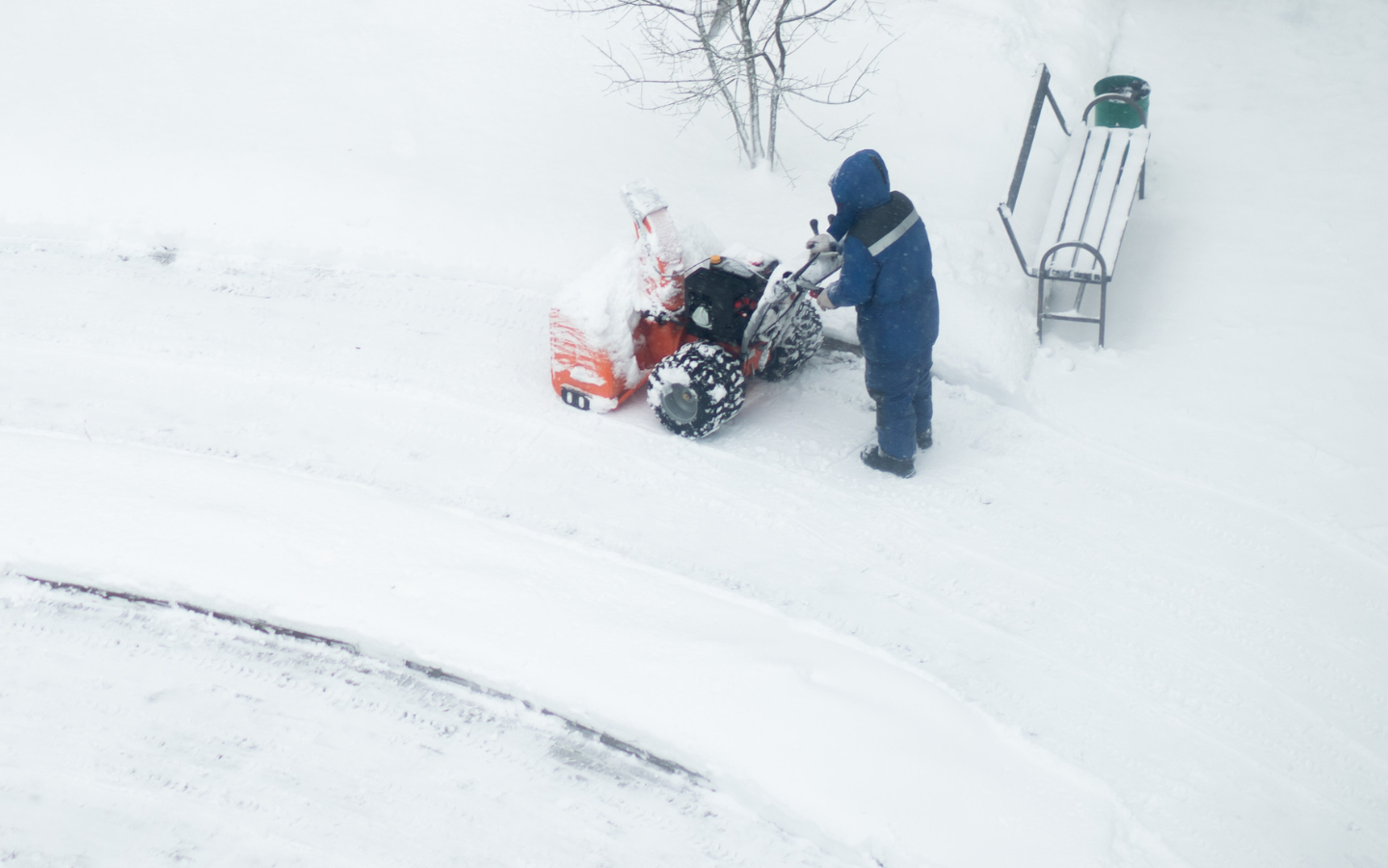
- Clearing snow promptly from entrances and stairs
- Applying salt or de-icer to prevent ice formation
- Repairing uneven surfaces that become more dangerous in winter
- Ensuring adequate lighting in outdoor areas
Consistent maintenance is essential—ice can refreeze overnight, creating new hazards each day.
Improving Indoor Floor Safety
As employees enter the building with snow or water on their shoes, floors can become slippery. Preventative steps include:
- Placing absorbent mats at every entrance
- Using non-slip floor treatments where needed
- Posting warning signs in wet areas
- Frequently mopping or vacuuming high-traffic zones
Indoor slips often cause back injuries, sprains, or fractures, making prevention critical.
Vehicle and Fleet Safety During Winter
For organizations with drivers, winter weather presents additional risks such as reduced traction, poor visibility, and vehicle breakdowns.
Winterizing Company Vehicles
To prepare vehicles for winter conditions, companies should:
- Check tire tread depth and consider snow tires
- Test batteries and heating systems
- Inspect windshield wipers and defrosters
- Maintain proper antifreeze levels
- Stock emergency kits with blankets, flares, and first aid supplies
A winter-ready vehicle is far less likely to be involved in preventable accidents.
Encouraging Safe Winter Driving Habits
Drivers should be trained to:
- Increase following distance
- Reduce speed during snow or ice
- Brake gently to avoid skidding
- Use headlights during low-visibility conditions
- Avoid using cruise control on slippery roads
Even experienced drivers benefit from seasonal refreshers on winter-specific hazards.
Emergency Preparedness for Winter Weather Events
Winter storms can disrupt operations unexpectedly. Having an emergency response plan ensures employees stay safe and informed.
Developing a Winter Emergency Action Plan
A strong winter preparedness plan includes:
- Communication procedures for storm warnings
- Defined roles for snow removal and facility checks
- Guidelines for when to delay, modify, or halt work
- Access to emergency shelters or heated areas
- Backup power solutions in case of outages
Planning reduces confusion and ensures safety decisions are made quickly and effectively.
Communicating Storm-Related Changes to Employees
Clear communication is essential during winter emergencies. Employers should:
- Send alerts through text, email, or workplace apps
- Notify employees of closures or delayed start times
- Provide updates on travel conditions
- Clarify expectations for remote work or essential personnel
Transparent communication helps keep employees safe and minimizes disruptions.
Supporting Employee Well-Being During Winter
Winter can also affect mental well-being. Shorter days, holiday stress, and physical discomfort can reduce morale and concentration.
Promoting Wellness During the Season
Organizations can support employees by:
- Reminding teams to stay hydrated
- Encouraging regular movement to boost circulation
- Offering wellness check-ins or resources
- Adjusting workloads during severe weather
Healthy employees are safer, more focused, and more resilient.
Conclusion
Winter brings a set of seasonal risks that workplaces must manage proactively. By preparing facilities, equipping employees with proper PPE, maintaining walkways and vehicles, and communicating clearly during storms, organizations can significantly reduce winter-related incidents. A strong winter safety plan protects employees while keeping operations running smoothly throughout the cold months.
.png)