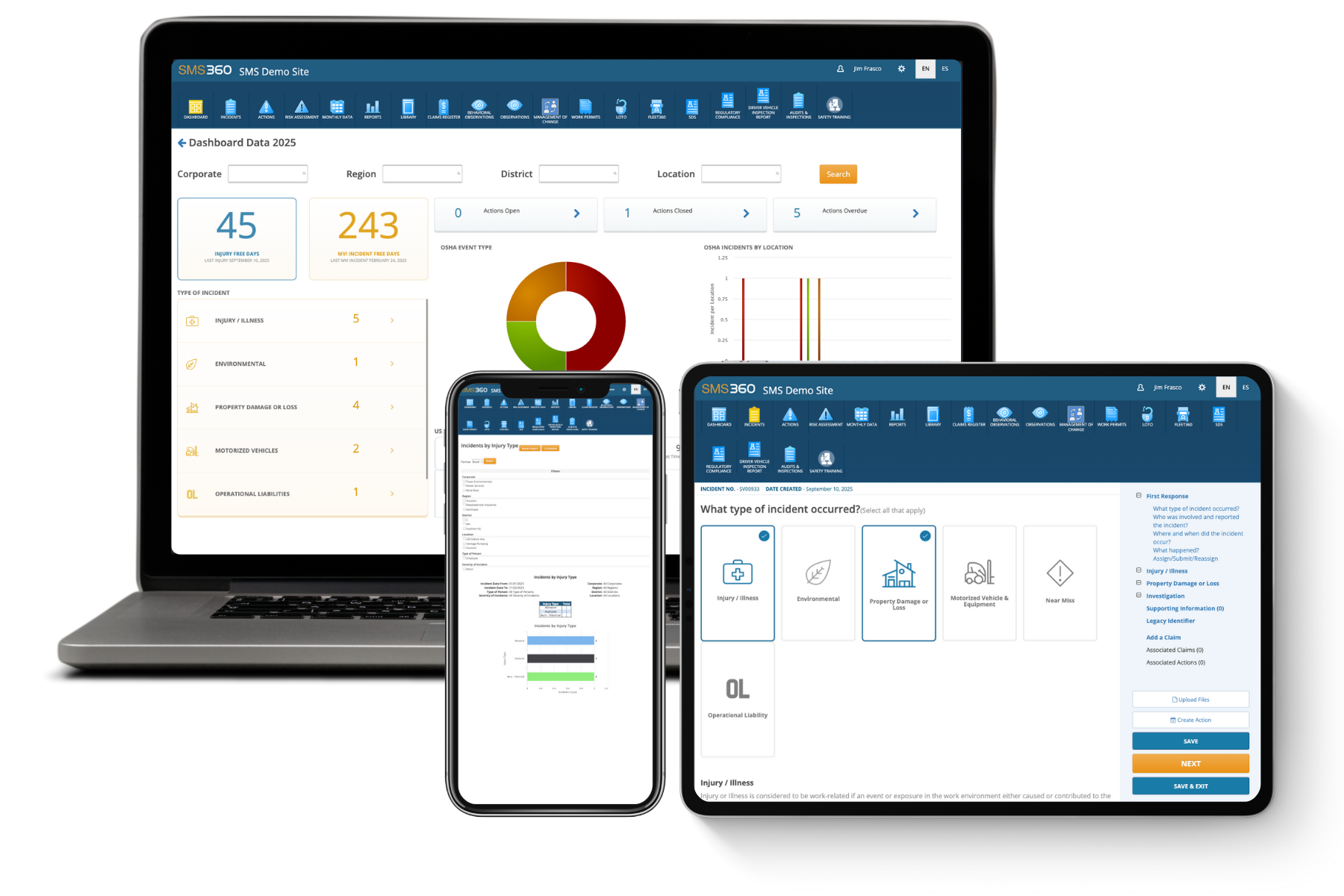
Every fleet generates an enormous amount of data every single day — fuel purchases, mileage, maintenance events, driver behavior, idle time, routes, accidents, and more. On its own, that data is just noise. Fleet management reporting is what turns it into something usable: a clear picture of how the fleet is performing, where money is being wasted, and where risk is building up before it turns into a costly problem.
For fleet managers, reporting isn't a back-office chore. It's the primary tool for making decisions — which vehicles to replace, which drivers need coaching, where fuel costs are spiraling, and whether the fleet is actually meeting its compliance obligations. Fleets that treat reporting as a strategic function, rather than a monthly formality, consistently outperform those that don't: they spend less per mile, retain vehicles longer, and catch problems before they become expensive.
This guide covers what fleet management reporting actually involves, the reports every fleet should have in place, how to choose the right tools, and how to build a reporting culture that drives real improvement rather than just producing paperwork.
Why Fleet Management Reporting Matters
Fleets are complex operations with a lot of moving parts, literally and figuratively. Without structured reporting, problems tend to stay invisible until they show up as a large, unavoidable cost — a vehicle that breaks down because a maintenance interval was missed, a driver whose risky habits go unnoticed until an accident happens, or fuel costs that quietly creep up over months without anyone noticing the trend.
Good reporting closes that gap. It surfaces issues while they're still small and cheap to fix, and it gives fleet managers the evidence they need to make the case for budget, policy changes, or vehicle replacement to leadership. It also creates accountability: when performance is visible and tracked consistently, drivers, technicians, and dispatchers all operate with a clearer sense of what's expected of them.
Beyond internal management, reporting increasingly matters for external stakeholders too. Insurers want safety data to set premiums. Regulators want compliance records. Customers and corporate sustainability teams want emissions and efficiency numbers. A fleet that can produce accurate, well-organized reports on demand is in a stronger position across all of these relationships.
The Core Categories of Fleet Reporting
1. Vehicle Performance and Utilization Reports
These reports answer a basic but critical question: is each vehicle being used efficiently, and is it performing the way it should?
Utilization reports track how much each vehicle is actually being driven relative to its availability. Underutilized vehicles are a hidden cost — they still incur insurance, depreciation, and often maintenance costs while sitting idle. Fleets that regularly review utilization data can right-size their fleet, either by reallocating underused vehicles or reducing fleet size altogether.
Mileage and odometer reports track distance traveled per vehicle over time, which feeds directly into maintenance scheduling, depreciation calculations, and cost-per-mile analysis.
Downtime reports show how much time each vehicle spends out of service, whether for maintenance, repair, or accident recovery. High downtime on a specific vehicle or vehicle type is often an early signal that it's approaching the end of its useful life.
2. Maintenance and Repair Reporting
Maintenance reporting is one of the highest-leverage areas of fleet reporting because it directly affects both cost and safety.
Preventive Maintenance Compliance
This report tracks whether scheduled maintenance — oil changes, tire rotations, brake inspections — is happening on time across the fleet. Missed preventive maintenance is one of the biggest predictors of both unexpected breakdowns and accidents caused by mechanical failure.
Repair Cost and Frequency
Tracking repair costs by vehicle, make, model, and age helps identify which units are becoming money pits. When a vehicle's repair costs start trending sharply upward relative to its peers, that's usually a signal it's time to consider replacement rather than continued repair.
Warranty and Recall Tracking
Fleets running large numbers of vehicles need visibility into open recalls and warranty coverage to avoid paying out of pocket for repairs that should be covered, and to ensure safety-related recalls are addressed promptly.
3. Fuel and Energy Reporting
Fuel is typically one of the largest controllable costs in a fleet budget, which makes fuel reporting especially valuable.
Fuel consumption and cost per mile reports track spending trends over time and by vehicle, flagging outliers that might indicate inefficient driving, a mechanical issue, or even fuel card misuse.
Idle time reports quantify how much fuel is being burned while vehicles sit stationary with the engine running. Excessive idling is a common and often underappreciated source of wasted fuel and unnecessary engine wear.
EV and alternative fuel reporting is becoming increasingly important as fleets add electric or hybrid vehicles. These reports track charging costs, energy consumption per mile, and charging infrastructure utilization, often alongside traditional fuel reports for mixed fleets.
4. Driver Behavior and Safety Reporting
Driver-related reporting connects fleet management directly to safety outcomes and insurance costs.
Driver Scorecards
Scorecards aggregate telematics data — speeding, harsh braking, harsh acceleration, cornering, phone use — into a single risk score per driver. These scores let fleet managers identify who needs coaching, and track whether interventions are actually improving behavior over time.
Accident and Incident Reports
Tracking accident frequency, severity, and cost by driver, vehicle, and route reveals patterns that a single incident report never would — for example, whether a particular route or shift consistently produces more incidents.
Hours of Service and Fatigue Reporting
For fleets subject to hours-of-service regulations, compliance reporting isn't optional. These reports also serve a safety function beyond regulatory compliance, since fatigue is a major contributor to accidents.
5. Compliance and Regulatory Reporting
Fleets operating commercial vehicles typically face a range of regulatory reporting obligations, and falling behind on these can result in fines, out-of-service orders, or worse.
Driver qualification and licensing reports track license expirations, medical certifications, and required training completions across the driver pool.
Vehicle inspection and registration reports ensure that required inspections, emissions tests, and registrations stay current across every vehicle in the fleet.
ELD and hours-of-service compliance reports are essential for commercial trucking fleets, both for regulatory audits and for internal safety management.
6. Cost and Financial Reporting
Ultimately, most fleet decisions come down to cost, and financial reporting ties everything else together into dollars and cents.
Total cost of ownership (TCO) reports combine acquisition cost, depreciation, maintenance, fuel, insurance, and downtime into a single per-vehicle or per-fleet figure, making it possible to compare vehicles, makes, and models on a like-for-like basis.
Cost per mile reports break down operating costs on a per-mile basis, which is often the most useful metric for comparing efficiency across vehicles of different ages, types, and usage patterns.
Budget variance reports compare actual spending against projected budgets across categories like fuel, maintenance, and insurance, flagging areas that are running over or under expectations.
Choosing the Right Fleet Reporting Tools
Fleet Management Software Platforms
Most mid-size and large fleets rely on dedicated fleet management software that pulls data from telematics devices, fuel cards, maintenance systems, and driver apps into a single reporting dashboard. These platforms typically offer pre-built report templates alongside customizable dashboards, letting fleet managers track the specific KPIs that matter most to their operation.
Telematics and GPS Integration
Telematics is the data backbone for most modern fleet reporting — supplying location, speed, idle time, harsh event data, and diagnostic trouble codes in near real time. The quality of a fleet's reporting is only as good as the quality and completeness of its telematics data, which makes hardware selection and installation consistency worth getting right from the start.
Custom Dashboards and BI Tools
Larger fleets, or those with unique reporting needs, sometimes layer business intelligence tools on top of their fleet management software to build custom dashboards, combine fleet data with other business systems, or produce reports tailored to specific stakeholders like finance, safety, or executive leadership.
Automated vs. Manual Reporting
Manual reporting — pulling data into spreadsheets by hand — is time-consuming and error-prone, and it tends to fall behind as fleets grow. Automated reporting, where dashboards refresh continuously and scheduled reports are delivered automatically, frees fleet managers to spend their time acting on insights rather than assembling them.
Building an Effective Reporting Cadence
Daily and Real-Time Monitoring
Some data needs to be visible immediately — vehicle location, active alerts for harsh driving events, breakdowns, or accidents. Real-time dashboards support this level of monitoring without requiring a manager to run a report every time something needs attention.
Weekly Operational Reviews
Weekly reports are often the sweet spot for operational management — reviewing utilization, maintenance compliance, fuel trends, and driver scorecards frequently enough to catch problems early without drowning managers in daily noise.
Monthly and Quarterly Strategic Reviews
Monthly and quarterly reports typically roll up into higher-level trends: cost per mile over time, total cost of ownership by vehicle class, accident rate trends, and budget variance. These are the reports most likely to go to leadership and to inform bigger decisions like vehicle replacement cycles or policy changes.
Annual Fleet Reviews
An annual review pulls everything together — full-year cost trends, safety performance, compliance status, and a forward-looking plan for the next year's budget and vehicle replacement schedule. This is also a natural point to reassess which KPIs the fleet is tracking and whether they still reflect the organization's priorities.
Common Reporting Mistakes Fleets Make
Tracking Too Many Metrics
It's tempting to report on everything a telematics system can measure, but too many metrics dilute focus and make it harder to spot what actually matters. Effective fleets tend to identify a small set of key metrics tied directly to cost, safety, and compliance, and build their core reporting around those.
Inconsistent Data Quality
Reports are only as reliable as the data feeding them. Missing odometer readings, unlinked fuel card transactions, or inconsistent driver ID tagging in telematics systems all undermine report accuracy. Fleets should periodically audit their source data, not just their output reports.
Reporting Without Action
A report that nobody acts on is wasted effort. The most common failure mode in fleet reporting isn't a lack of data — it's a lack of a clear process for turning report findings into action, whether that's driver coaching, a maintenance schedule change, or a budget conversation.
Siloed Reporting Across Departments
When maintenance, safety, and finance each maintain their own separate reports without cross-referencing, fleets miss the connections between them — for example, how a spike in harsh braking events correlates with increased brake repair costs. Integrated reporting that connects these data sets tends to surface insights that siloed reports never would.
Turning Reports Into Action
The real value of fleet reporting isn't the report itself — it's the decisions it enables. A few practices help fleets close that loop consistently:
- Assign ownership for each major report category so someone is accountable for reviewing it and acting on findings, not just generating it.
- Set thresholds and alerts for key metrics so problems get flagged automatically rather than waiting to be noticed during a periodic review.
- Connect reporting to specific decisions — vehicle replacement, driver coaching, budget requests — so reports have a clear purpose beyond documentation.
- Review the reporting framework itself periodically, not just the data, to make sure the fleet is still tracking what matters as the business and vehicle mix evolve.
- Share relevant reports with drivers and technicians, not just management, since visibility into performance data often drives behavior change on its own.
A fleet that builds this kind of disciplined reporting practice doesn't just track its own performance — it steadily improves it, catching small problems before they become expensive ones and making the case for smarter investment decisions along the way.
Frequently Asked Questions
What are the most important KPIs for fleet management reporting?
While the right mix depends on fleet type, most fleets benefit from tracking cost per mile, vehicle utilization, preventive maintenance compliance, fuel consumption trends, driver safety scores, and accident frequency. Together these cover the core areas of cost, efficiency, and risk that drive most fleet management decisions.
How often should fleet reports be reviewed?
A layered cadence works best for most fleets: real-time monitoring for safety-critical alerts, weekly reviews for operational metrics like maintenance and fuel, and monthly or quarterly reviews for cost and strategic trends. Annual reviews then roll everything up to inform budget and replacement planning for the year ahead.
What's the difference between telematics data and fleet management reporting?
Telematics data is the raw information collected from vehicles — location, speed, idle time, diagnostic codes, and driver behavior events. Fleet management reporting takes that raw data, along with data from other sources like fuel cards and maintenance systems, and organizes it into structured reports and dashboards that fleet managers can actually use to make decisions.
Can small fleets benefit from formal reporting, or is it only worth it at scale?
Formal reporting benefits fleets of nearly any size. Even a fleet of a handful of vehicles can catch meaningful cost savings from fuel and maintenance reports, and can reduce accident risk through basic driver behavior tracking. The tools may be simpler for smaller fleets, but the underlying discipline of tracking, reviewing, and acting on data pays off regardless of fleet size.
How can a fleet improve the accuracy of its reporting data?
Accuracy starts with consistent data collection practices: ensuring telematics devices are properly installed and maintained, requiring drivers to log in correctly so events are attributed accurately, linking fuel card transactions to specific vehicles and drivers, and periodically auditing source data rather than assuming it's correct. Automating data collection wherever possible also reduces the errors that come with manual data entry.