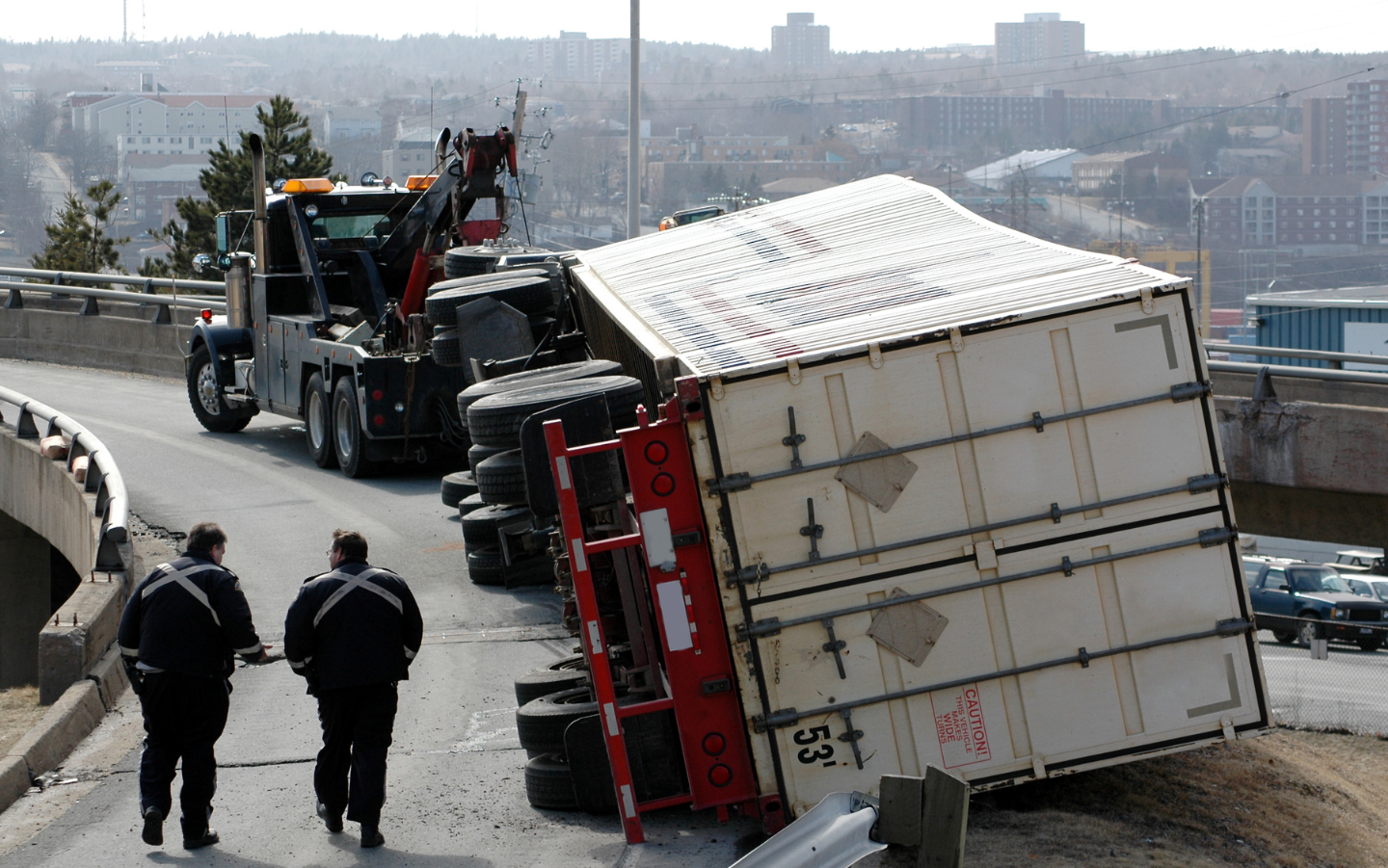
Every fleet, no matter how well managed, will eventually deal with an accident. Vehicles cover millions of miles, drivers face unpredictable road conditions, and even the most disciplined safety culture can't eliminate risk entirely. What separates high-performing fleets from the rest isn't the absence of accidents — it's how effectively they manage them when they happen.
Fleet accident management is the structured process of preventing, responding to, documenting, and recovering from vehicle incidents. Done well, it protects drivers, reduces liability, controls costs, and keeps operations running smoothly. Done poorly, it can turn a single fender-bender into a cascade of downtime, litigation, and reputational damage. This guide walks through the full lifecycle of fleet accident management, from prevention strategies to post-accident recovery, and answers the questions fleet managers ask most often.
Why Fleet Accident Management Matters
Accidents are expensive in ways that go far beyond the visible repair bill. A single collision can trigger vehicle downtime, replacement rental costs, insurance premium increases, legal exposure, workers' compensation claims, lost productivity, and damage to customer relationships if deliveries or service calls are delayed. For fleets operating on thin margins, a poorly managed accident can erase months of profit.
There's also a compounding effect. Fleets without a formalized accident management process tend to see repeat incidents, because the root causes — driver behavior, vehicle maintenance gaps, route risks — are never properly diagnosed. A reactive, ad hoc approach to accidents means the same mistakes happen again and again, and each one chips away at the fleet's bottom line and safety record.
A mature accident management program treats every incident as a data point. It captures what happened, why it happened, and what needs to change, then feeds that information back into training, maintenance, and policy. This turns accident management from a purely defensive function into a continuous improvement engine for the entire fleet operation.
The Core Components of a Fleet Accident Management Program
1. Prevention and Risk Reduction
The cheapest accident is the one that never happens. Prevention starts with understanding where risk actually lives in your fleet — which drivers, routes, vehicle types, and times of day generate the most incidents.
Driver risk profiling. Telematics and driver scorecards can flag risky behaviors like harsh braking, speeding, distracted driving, and fatigue before they result in a collision. Fleets that act on this data, through coaching or targeted retraining, consistently see incident rates drop.
Vehicle maintenance standards. Mechanical failure — worn brakes, bald tires, faulty lighting — is a preventable contributor to accidents. Preventive maintenance schedules, pre-trip inspections, and real-time diagnostic alerts from connected vehicles all reduce the odds that equipment failure causes or worsens a crash.
Driver training and onboarding. New drivers and those returning after a long break carry disproportionate risk. Defensive driving courses, simulator training, and ride-alongs during onboarding build habits that pay off over years of driving.
Route and scheduling design. Fatigue and time pressure are major accident contributors. Realistic scheduling that accounts for traffic, weather, and rest requirements reduces the temptation to speed or cut corners.
2. Immediate Response Protocols
When an accident happens, the first ten minutes matter enormously. A clear, well-rehearsed response protocol reduces confusion, protects the driver, and preserves evidence that will matter later for claims and legal purposes.
Driver Safety First
Every protocol should start with the same instruction: check for injuries and call emergency services if needed. No documentation step, photo, or phone call to dispatch should come before ensuring the driver and any other parties are safe.
Standardized On-Scene Checklist
Drivers should carry (physically or digitally) a simple checklist covering:
- Move the vehicle out of traffic if it's safe and legally permitted
- Call 911 or local emergency services for injuries or significant damage
- Contact the fleet's dispatch or safety hotline immediately
- Exchange information with other parties involved — name, contact, insurance, license plate
- Photograph the scene: vehicle positions, damage, license plates, road conditions, traffic signs, and any skid marks
- Get contact information for witnesses
- Avoid admitting fault or discussing liability at the scene
24/7 Accident Reporting Access
Accidents don't happen on a 9-to-5 schedule. Fleets need a reporting channel — a hotline, an app, or a dedicated line to a third-party administrator — that's available around the clock. The faster an incident is reported, the faster the claims process, vehicle recovery, and investigation can begin.
3. Documentation and Evidence Collection
Thorough documentation is the backbone of a successful claim and, if needed, a legal defense. Missing or inconsistent documentation is one of the most common reasons fleets lose disputes over fault or end up paying more than they should.
What Good Documentation Looks Like
A complete accident file typically includes:
- A written driver statement, ideally captured within 24 hours while memory is fresh
- Photos and video of the scene, vehicle damage, and road conditions
- The police report, if one was filed
- Witness statements and contact information
- Telematics or dashcam data showing speed, braking, and location at the time of impact
- Vehicle maintenance history to rule out or confirm mechanical contribution
The Role of Dashcams and Telematics
Dashcams and telematics systems have transformed accident documentation. Footage of the moments before, during, and after a collision can resolve fault disputes in minutes rather than weeks, and can protect drivers from false claims by other parties. Many fleets report that dashcam adoption alone reduces claim costs, partly through faster resolution and partly because drivers behave more cautiously when they know they're being recorded.
Managing the Claims Process
Once the immediate response and documentation are complete, the accident moves into the claims phase — often the longest and most complex part of accident management.
Working With Insurance Carriers and TPAs
Many fleets rely on third-party administrators (TPAs) to manage claims, especially at scale. A TPA handles communication with insurers, coordinates repairs, manages rental replacement vehicles, and tracks the claim through to resolution. This frees fleet managers from chasing paperwork and lets them focus on operations.
Whether working directly with an insurer or through a TPA, fleet managers should track:
- Claim status and expected timelines
- Reserve amounts set by the insurer
- Subrogation opportunities, where the fleet can recover costs from an at-fault third party
- Total cost of the claim, including indirect costs like downtime and rental fees
Repair Management
Getting a damaged vehicle back on the road quickly matters both financially and operationally. Fleets benefit from having pre-negotiated relationships with a network of trusted repair shops that understand fleet timelines and can prioritize turnaround. Some fleets use direct repair programs (DRPs) that streamline estimating and approval, cutting days off the typical repair cycle.
Litigation and Legal Exposure
Not every accident stays in the claims lane. Serious injuries, disputed fault, or third-party lawsuits can push an incident into litigation. This is where documentation quality becomes critical — a well-documented file with dashcam footage, timely driver statements, and maintenance records gives legal counsel far more to work with than a bare-bones police report.
Fleets operating in higher-risk industries (trucking, delivery, passenger transport) often maintain a relationship with legal counsel who specializes in transportation liability, so that serious incidents can be escalated immediately rather than after damage has already been done to the fleet's position.
Technology's Role in Modern Accident Management
Fleet accident management has changed dramatically with the rise of connected vehicle technology. Fleets that lean into these tools tend to resolve accidents faster and cheaper than those relying on manual, paper-based processes.
Telematics and GPS Tracking
Real-time location data confirms where a vehicle was at the time of an incident, supports accurate mileage and speed reconstruction, and can trigger automatic alerts to dispatch when a hard-braking or collision event is detected — sometimes before the driver even calls it in.
Dashcams and AI-Based Video Analysis
Beyond simple footage capture, many modern dashcam systems use AI to detect risky behavior in real time — following too closely, phone use, drowsiness — and alert drivers or managers before an accident occurs. After an incident, this same footage accelerates fault determination.
Accident Management Software Platforms
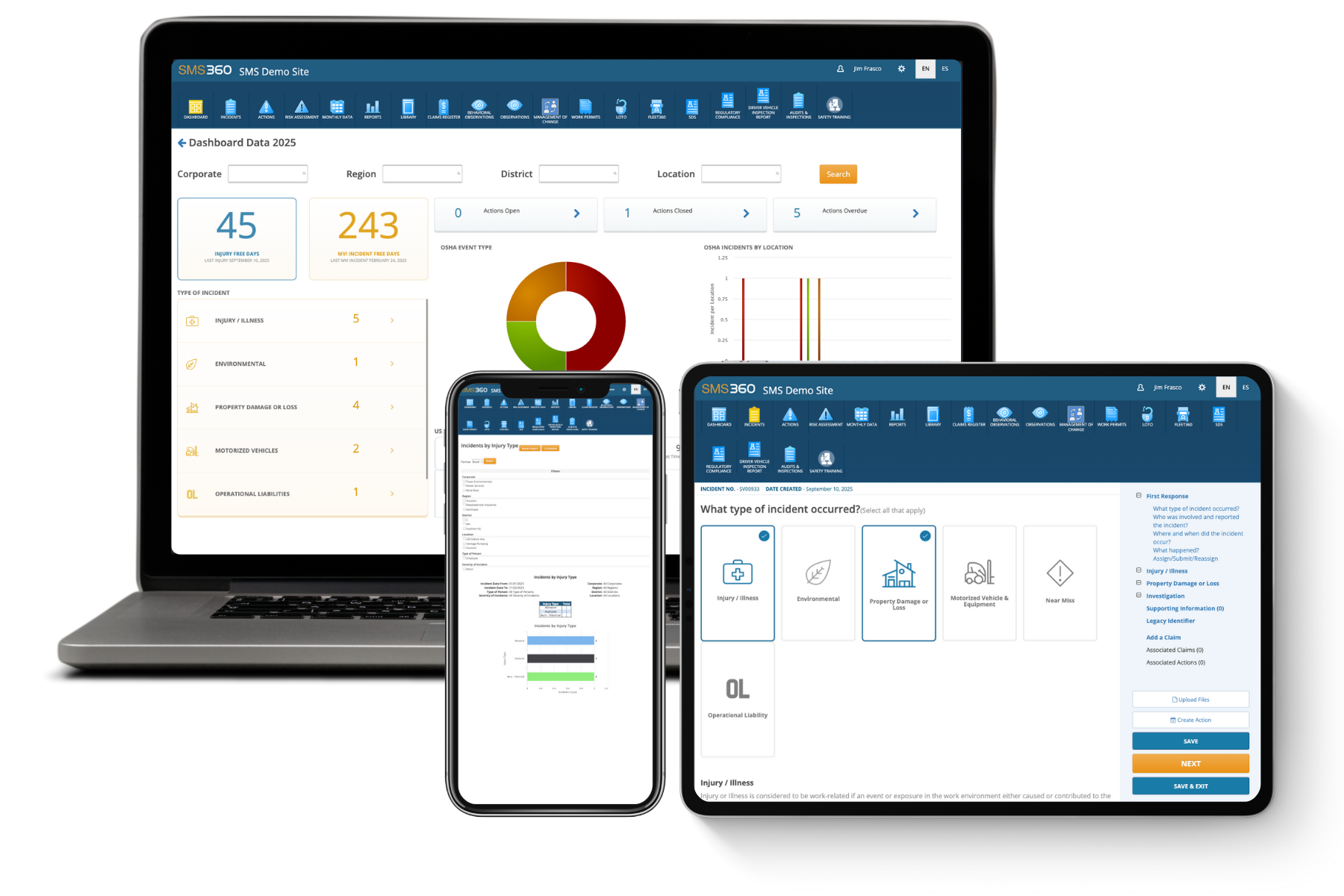
Dedicated software platforms centralize the entire workflow: incident reporting, document collection, claims tracking, repair coordination, and reporting analytics. Instead of accident data living in scattered emails and spreadsheets, everything sits in one system that management can query for trends.
Predictive Analytics
Some fleets now use predictive models that combine driver scores, vehicle condition, route risk, and even weather forecasts to flag high-risk trips before they happen, allowing dispatchers to intervene — rescheduling, reassigning a driver, or adding a safety check — before an accident occurs rather than reacting after the fact.
Building a Culture of Accountability and Continuous Improvement
Technology and process only go so far without the right culture behind them. Fleets with the strongest safety records treat every accident as a learning opportunity rather than purely a compliance event.
Post-Accident Review
Every incident, regardless of severity, deserves a structured review: what happened, what contributed to it, and what — if anything — could have prevented it. This isn't about assigning blame for its own sake; it's about identifying patterns. If three drivers on the same route have similar incidents in six months, that's a route problem, not three separate driver problems.
Driver Coaching, Not Just Discipline
Punitive-only approaches to accidents tend to backfire, encouraging drivers to underreport minor incidents rather than flag them early. Fleets that pair accountability with coaching — using telematics data to have constructive conversations rather than purely punitive ones — see better long-term engagement and safety outcomes.
Tracking Leading and Lagging Indicators
Lagging indicators (accident frequency, severity, cost per incident) tell you what already happened. Leading indicators (harsh braking events, speeding incidents, near-misses caught on dashcam) tell you what's likely to happen next. A mature program tracks both, using leading indicators to intervene before they become lagging ones.
Cost Control Strategies
Accident management isn't just about safety — it's a significant cost center that rewards careful management.
Negotiate fleet-specific insurance terms. Fleets with strong safety data and documentation practices can often negotiate better premiums, higher deductibles in exchange for lower rates, or more favorable claims-handling terms.
Pursue subrogation aggressively. When another party is at fault, fleets should have a clear process for recovering costs rather than absorbing them by default.
Right-size the rental and downtime response. Having pre-arranged rental agreements and a responsive repair network minimizes the days a vehicle sits idle, which is often a larger cost than the repair itself.
Audit claims regularly. Periodic review of closed claims can reveal overcharges, missed subrogation opportunities, or inconsistent fault determinations that are worth challenging.
Building Your Fleet Accident Management Plan
For fleets building or refining a program, a practical starting point includes:
- Document a formal accident response protocol and make sure every driver has access to it, physically or via a mobile app.
- Invest in dashcams and telematics if not already in place — the data pays for itself in faster claims and fewer disputes.
- Establish a 24/7 reporting channel so incidents are never delayed by business hours.
- Build relationships with a TPA, insurer, and repair network before you need them, not during a crisis.
- Create a post-accident review process that feeds findings back into training and maintenance decisions.
- Set KPIs for both leading indicators (risky driving events) and lagging indicators (accident rate, cost per incident, claim cycle time) and review them regularly.
A well-designed program doesn't just reduce the frequency and cost of accidents — it builds a fleet that's more resilient, better insured, and safer for everyone on the road.
Frequently Asked Questions
What should a driver do immediately after a fleet accident?
The priority order is safety, then reporting, then documentation. Drivers should check for injuries and call emergency services if needed, move vehicles out of traffic when safe, notify dispatch or the fleet's accident hotline right away, exchange information with other parties, and photograph the scene. They should avoid discussing fault at the scene, since liability determinations should come later through the proper claims process.
How long does a typical fleet accident claim take to resolve?
Timelines vary widely based on severity, whether injuries are involved, and whether fault is disputed. A minor, clear-fault property damage claim might resolve in a few weeks, while claims involving injuries, litigation, or disputed liability can take many months or longer. Working with an experienced TPA and maintaining thorough documentation from the start generally shortens the timeline.
Do dashcams actually reduce accident costs?
Many fleets report meaningful cost reductions after installing dashcams, driven by two effects: faster, more accurate fault determination that speeds up claims and reduces disputed liability, and a behavioral effect where drivers who know they're recorded tend to drive more cautiously. Footage can also protect fleets from fraudulent third-party claims.
Who is responsible for reporting an accident to the DOT or other regulators?
Reporting requirements depend on jurisdiction, vehicle type, and severity, but generally the fleet or motor carrier is responsible for ensuring required reports are filed, even though the driver typically initiates the process. Fleets operating commercial vehicles should have a clear internal protocol identifying which incidents trigger regulatory reporting and who owns that responsibility.
How can a fleet reduce its accident rate over time?
Sustainable reductions come from combining prevention with feedback loops: using telematics and driver scoring to identify risky behavior before it causes a crash, investing in ongoing driver training rather than one-time onboarding, maintaining vehicles proactively, and reviewing every accident to identify root causes rather than treating each one as an isolated event. Fleets that track leading indicators and act on them consistently outperform those that only respond after an accident occurs.