Walk into almost any workplace and you'll find a safety poster, a fire extinguisher inspection tag, or a laminated evacuation map on the wall. These are the visible artifacts of a safety program. But real workplace safety — the kind that actually prevents injuries — lives somewhere less visible: in whether employees notice a frayed cord before it becomes a hazard, whether they speak up when a coworker skips a safety step, and whether leadership treats safety as a genuine priority or a compliance formality.
That gap between having a safety program and having a genuinely safety-aware workforce is where most preventable injuries happen. Organizations can have every required policy, poster, and training record in place and still see incident rates climb, because awareness — the day-to-day habit of noticing and responding to risk — isn't something a policy document can create on its own. It has to be built deliberately, reinforced continuously, and owned by everyone in the organization, not just the people with "safety" in their job title.
This guide covers what workplace safety awareness actually means, why it matters beyond regulatory compliance, and how organizations can build a culture where safety awareness becomes part of how people naturally work, rather than something they're reminded to think about once a year.
What Workplace Safety Awareness Really Means
Safety awareness is often confused with safety compliance, but the two are meaningfully different. Compliance is about meeting a required standard — completing a training module, wearing required PPE, following a documented procedure. Awareness is the underlying mindset that makes compliance meaningful: actually noticing hazards, understanding why a procedure exists, and making safe choices even in situations a policy manual didn't specifically anticipate.
A worker can be fully compliant on paper — trained, certified, equipped with the right gear — and still get hurt because they weren't actually paying attention to a changing situation around them. Conversely, a genuinely safety-aware worker often prevents incidents that no specific policy would have addressed, simply because they noticed something was off and acted on it. Building awareness, rather than just enforcing compliance, is what separates organizations with a strong safety culture from those that merely have a safety program.
The Business Case for Safety Awareness
Beyond the moral obligation to protect employees, there's a clear financial case for investing in safety awareness. Workplace injuries carry direct costs — medical expenses, workers' compensation claims, and potential regulatory fines — but the indirect costs are often larger: lost productivity, replacement worker training, equipment damage, increased insurance premiums, and the organizational disruption that follows a serious incident. Organizations with strong safety cultures consistently report lower incident rates and lower total cost of risk than those relying purely on compliance-driven programs.
There's also a talent dimension. Employees increasingly factor safety culture into where they choose to work, and a visible commitment to safety awareness can be a meaningful differentiator in recruiting and retention, particularly in industries with higher inherent physical risk.
Building Blocks of a Safety-Aware Workplace
1. Hazard Recognition Training
The foundation of safety awareness is the ability to actually identify hazards before they cause harm. This sounds obvious, but hazard recognition is a skill that has to be taught and practiced, not assumed.
General Hazard Categories
Effective training covers the major categories of workplace hazards: physical hazards like unguarded machinery or slip-and-fall risks, chemical hazards from improperly stored or labeled substances, ergonomic hazards from repetitive motion or poor workstation setup, and environmental hazards like poor ventilation or extreme temperatures. Employees who understand these categories are far better equipped to notice something out of place, even in situations training didn't specifically cover.
Job-Specific Hazard Assessments
Generic hazard training only goes so far. Job hazard analyses — structured assessments of the specific risks associated with a particular role or task — give employees a much more concrete understanding of the hazards relevant to their actual work, and give supervisors a tool for identifying control measures before an incident occurs rather than after.
2. Clear Communication of Policies and Procedures
Safety policies only improve awareness if people actually understand and remember them, which requires more than distributing a handbook.
Accessible Documentation
Safety procedures should be written in plain language, organized so employees can quickly find what's relevant to their specific role, and available in the languages spoken by the workforce. Dense, jargon-heavy safety manuals that nobody actually reads provide legal cover but do little for actual awareness.
Visual Reminders and Signage
Well-placed signage, floor markings, and visual cues serve as continuous, low-effort reinforcement of safety expectations, particularly in high-traffic or high-risk areas. These work best when they're specific and actionable rather than generic — a sign indicating exactly where to store a hazardous material is more useful than a general "be safe" reminder.
3. Regular Safety Training and Drills
Onboarding Safety Training
New employees are statistically at higher risk of workplace injury, often because they haven't yet internalized the specific hazards and procedures of their new environment. Comprehensive safety onboarding, covering both general workplace hazards and role-specific risks, is one of the highest-leverage points in the entire safety program.
Ongoing Refresher Training
Awareness fades over time without reinforcement, even among experienced employees. Regular refresher training keeps safety knowledge current, introduces updates to procedures or regulations, and counters the complacency that naturally develops when nothing has gone wrong for a while.
Emergency Drills
Fire drills, evacuation exercises, and other emergency response drills build the kind of procedural memory that matters most in a genuine crisis, when stress can make it hard to think clearly. Drills that are treated seriously, rather than as a bureaucratic interruption, translate into faster, calmer, more effective responses when a real emergency occurs.
4. Encouraging Hazard Reporting
A safety-aware workforce is only useful if people actually report what they notice, and building a reporting culture is often harder than it sounds.
Removing Barriers to Reporting
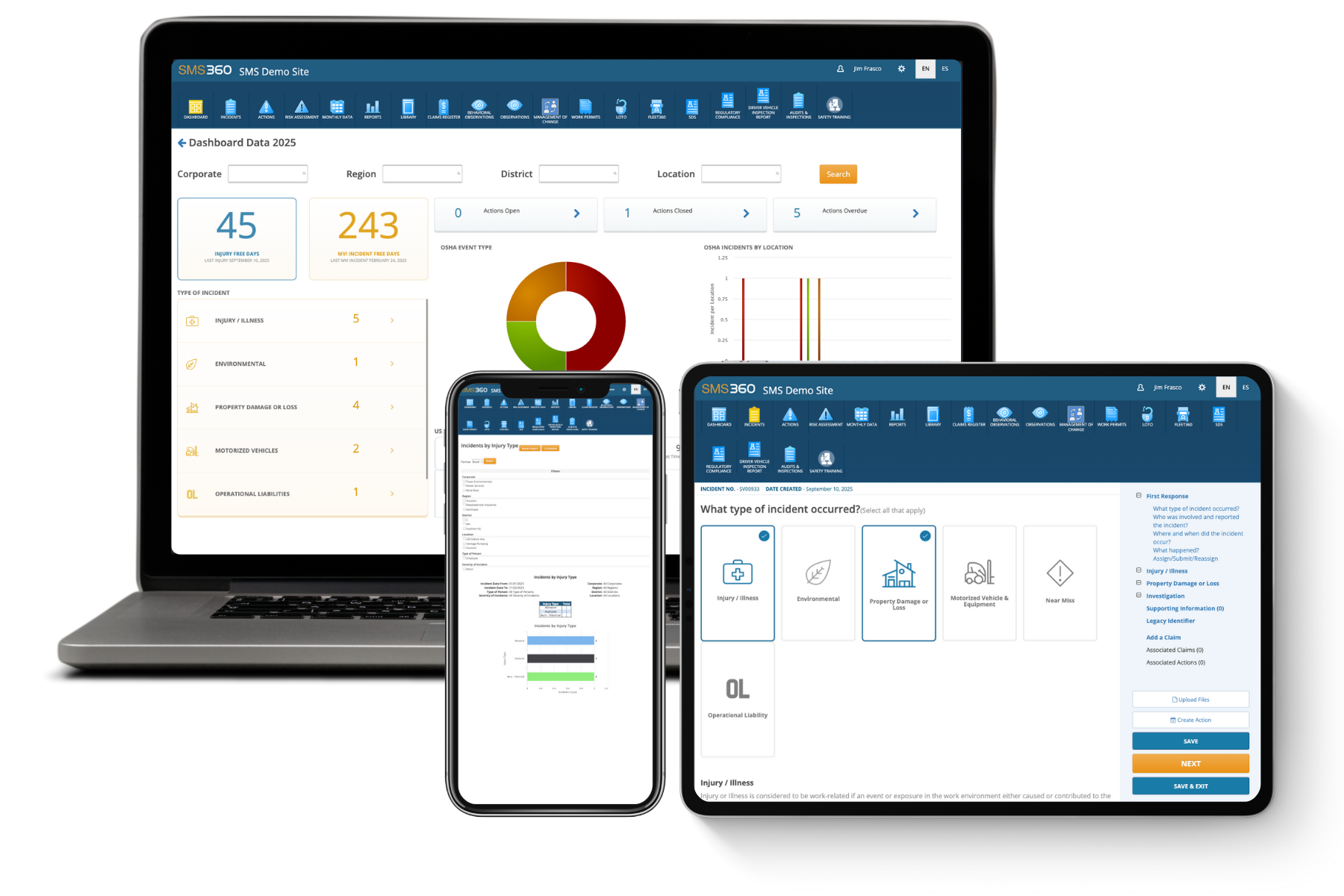
Reporting systems should be simple, accessible, and fast — a complicated multi-step process discourages employees from flagging minor hazards or near-misses that could prevent a more serious incident later. Many organizations now use mobile apps or simple digital forms to lower the friction of reporting.
Non-Punitive Response
If employees fear discipline for reporting a hazard or near-miss, especially one they contributed to, they'll simply stop reporting. Organizations that respond to reports with genuine problem-solving rather than blame tend to see far higher reporting rates, which gives them significantly better visibility into emerging risks.
5. Leadership Visibility and Involvement
Leading by Example
Safety awareness spreads from the top down as much as from formal training. When leaders visibly follow safety procedures themselves — wearing required PPE, following posted protocols, participating in safety walks — it signals that safety is a genuine organizational value rather than a rule that applies only to frontline workers.
Regular Safety Communication
Leaders who consistently discuss safety in team meetings, share incident learnings transparently, and recognize safe behavior reinforce that safety awareness is an ongoing priority, not a topic that only comes up after something goes wrong.
Industry-Specific Considerations
Manufacturing and Industrial Settings
Manufacturing environments typically involve machinery, moving parts, and material handling risks that require specific lockout/tagout procedures, machine guarding awareness, and consistent PPE use. Safety awareness training in these settings benefits heavily from hands-on demonstration rather than classroom instruction alone.
Construction and Field Work
Construction sites present constantly changing hazards as work progresses, making ongoing situational awareness especially critical. Toolbox talks — brief, frequent safety discussions tied to the specific work happening that day — are a particularly effective format for this kind of dynamic environment.
Office and Administrative Settings
Office environments carry lower physical risk but aren't risk-free. Ergonomic hazards, slip-and-fall risks, and emergency preparedness for events like fires or severe weather remain relevant, and awareness training should be scaled appropriately rather than treated as unnecessary simply because the environment feels low-risk.
Healthcare Settings
Healthcare workers face a distinct set of hazards including exposure to pathogens, ergonomic strain from patient handling, and workplace violence risk. Safety awareness programs in this setting need to address both physical and interpersonal safety concerns, often requiring more specialized training than general workplace safety programs provide.
Technology's Role in Safety Awareness
Wearable Safety Devices
Wearable sensors that monitor fatigue, detect falls, or track proximity to hazardous equipment provide a real-time layer of safety awareness that complements training, catching risks that human attention alone might miss, particularly during repetitive or monotonous tasks.
Digital Hazard Reporting Tools
Mobile apps that let employees photograph and report hazards instantly, rather than filling out a paper form later, significantly increase reporting rates and give safety teams faster visibility into emerging issues before they escalate.
Safety Data Analytics
Organizations that track near-miss reports, incident data, and training completion in a centralized system can identify patterns — specific locations, tasks, or times of day associated with elevated risk — that wouldn't be visible from looking at individual incidents in isolation.
Virtual Reality Training
VR-based safety training allows employees to practice responding to hazardous scenarios, from chemical spills to equipment malfunctions, in a fully immersive but completely safe environment, building the kind of experiential learning that's difficult to achieve through video or classroom instruction alone.
Measuring Safety Awareness
Leading Indicators
Near-miss reporting rates, safety observation completion, and training participation all serve as leading indicators of safety awareness, since they reflect ongoing engagement with safety practices rather than waiting for an actual injury to occur before measuring anything.
Lagging Indicators
Traditional metrics like recordable injury rates, lost-time incidents, and workers' compensation claims remain important for measuring the ultimate outcome of a safety program, even though they only reflect awareness gaps after harm has already occurred.
Safety Culture Surveys
Periodic employee surveys measuring perceived safety climate — whether employees feel comfortable reporting hazards, believe leadership prioritizes safety, and understand relevant procedures — provide insight into the underlying culture driving both leading and lagging indicators, and often reveal gaps that incident data alone wouldn't surface.
Overcoming Common Barriers to Safety Awareness
Complacency After Periods Without Incidents
Ironically, a strong safety record can breed the complacency that eventually undermines it, as employees and even management gradually relax vigilance when nothing has gone wrong for an extended period. Regularly revisiting near-miss data and maintaining consistent training cadence, rather than scaling back after a good safety year, helps counter this natural drift.
Production Pressure Undermining Safety Priorities
When production deadlines and safety expectations conflict, employees often feel pressure to cut corners, even in organizations with strong stated safety values. Addressing this requires genuine leadership commitment to backing safety-conscious decisions even when they slow down output, not just stating that safety comes first in a handbook.
Language and Literacy Barriers
In diverse workforces, safety training and materials that aren't available in employees' primary languages, or that assume a level of literacy some workers don't have, create real awareness gaps regardless of how well-designed the underlying content is. Multilingual training materials and visual, icon-based signage help close this gap.
Building a Sustainable Safety Awareness Program
A genuinely effective safety awareness program combines several elements working together: hazard recognition training that builds real skill rather than just checking a compliance box, communication systems that make policies accessible and memorable, a reporting culture where employees feel safe flagging concerns, visible leadership commitment, and ongoing measurement that tracks both leading and lagging indicators. None of these elements works particularly well in isolation — it's the combination, sustained consistently over time, that shifts an organization from merely having a safety program to having a genuinely safety-aware workforce.
Frequently Asked Questions
What's the difference between safety compliance and safety awareness?
Safety compliance refers to meeting specific, documented requirements — completing required training, wearing mandated PPE, following a written procedure exactly as specified. It's measurable and auditable, which is why it tends to be the primary focus of formal safety programs. Safety awareness, by contrast, is the underlying understanding and mindset that makes compliance actually effective: recognizing why a procedure exists, noticing hazards that a specific policy might not explicitly address, and making safe choices in novel situations rather than only following a script.
The distinction matters because an organization can achieve full compliance on paper while still having significant safety gaps, if employees are following procedures mechanically without truly understanding the risks behind them. A compliant but unaware employee might wear required PPE correctly but fail to notice a genuinely novel hazard that wasn't covered in training. An aware employee, by contrast, often prevents incidents that no specific policy anticipated, simply because they understand the underlying risk logic well enough to apply it to new situations. The strongest safety programs pursue both together — compliance provides the necessary baseline and legal protection, while awareness is what actually prevents the incidents that compliance alone can't anticipate.
How can organizations encourage employees to report hazards and near-misses without fear of retaliation?
Building a genuine non-punitive reporting culture requires more than a stated policy — it requires consistent, visible action that proves the policy is real. The first step is making the reporting process itself as frictionless as possible: simple digital tools, anonymous reporting options where appropriate, and multiple channels so employees aren't forced to report only to a single supervisor they may not feel comfortable approaching. If reporting feels burdensome or risky, most near-misses will simply go unreported, regardless of what the official policy says.
The second and more important step is how leadership responds once reports come in. If a report leads to blame, discipline, or visible frustration directed at the reporting employee, that response spreads quickly through informal channels and shuts down future reporting far more effectively than any written policy could encourage it. Organizations that get this right treat near-miss reports as valuable data rather than evidence of wrongdoing, focus conversations on root causes and systemic fixes rather than individual blame, and publicly recognize employees who report hazards as contributing positively to safety rather than causing trouble. Over time, consistent follow-through — actually fixing reported hazards and communicating back to employees that action was taken — reinforces that reporting leads to real improvement, which is ultimately what sustains a high reporting rate.
How often should workplace safety training be refreshed?
There's no single mandated interval that fits every workplace, since the right cadence depends heavily on industry, regulatory requirements, and the specific hazards involved. That said, most effective programs layer several types of training on different schedules rather than relying on a single annual event. New employee onboarding should always include comprehensive safety training before or immediately upon starting a role, since new workers face elevated injury risk during their first months. Beyond onboarding, annual refresher training is a common baseline for reinforcing core safety knowledge and covering any regulatory or procedural updates from the previous year.
Layered on top of that annual cadence, many organizations use more frequent, lighter-touch reinforcement — brief toolbox talks in construction or industrial settings, short safety moments at the start of team meetings, or targeted refreshers tied to a specific incident or near-miss that revealed a gap in understanding. Certain roles or hazards also carry their own specific regulatory retraining intervals, such as periodic recertification for operating specific equipment or handling particular hazardous materials, and those requirements should be tracked separately to ensure they're never missed. The overarching principle is that awareness fades without reinforcement, so effective programs treat training as a continuous, layered process rather than a single yearly checkbox.
What role does leadership play in building a strong safety culture?
Leadership involvement is often the single biggest determinant of whether a safety program produces a genuine safety culture or remains a paper exercise. Employees are highly attuned to the gap between what leadership says about safety and what leadership actually does, and that gap gets closed or widened by daily behavior far more than by formal policy statements. When leaders consistently follow safety procedures themselves, participate in safety walks and observations, and visibly prioritize safety even when it creates friction with production deadlines, employees internalize that safety is a genuine organizational value rather than a rule that exists mainly for frontline workers.
Beyond leading by example, leadership plays a critical role in resourcing and reinforcing the safety program itself — ensuring training programs have adequate budget and time allocated, that reported hazards actually get addressed rather than logged and forgotten, and that safety performance is factored into how managers themselves are evaluated, not just how frontline workers are evaluated. Leaders who regularly communicate about safety, share lessons learned from incidents transparently rather than burying them, and recognize safe behavior publicly help keep safety awareness present in daily conversation rather than something that only surfaces after an incident. Ultimately, a strong safety culture reflects consistent leadership commitment sustained over years, not a single initiative or campaign.
How can small businesses build effective safety awareness programs without a dedicated safety department?
Small businesses often assume that meaningful safety programs require a full-time safety officer and significant budget, but effective safety awareness scales down reasonably well with the right approach. The starting point is a basic hazard assessment specific to the actual work being done — identifying the handful of risks most relevant to the business rather than trying to address every conceivable hazard from a generic template. This focused approach makes training more relevant and manageable without requiring specialized safety expertise to develop.
For training delivery, many small businesses successfully use free or low-cost resources from regulatory agencies, industry associations, or insurance providers, who often offer training materials and guidance specifically designed for smaller employers. Designating a single employee, even without formal safety credentials, as the point person for coordinating safety topics, tracking training completion, and collecting hazard reports creates accountability without requiring a dedicated department. Perhaps most importantly, small businesses can lean heavily on the advantages of their size: shorter communication chains mean safety concerns can reach decision-makers quickly, and owners or managers are often directly visible to employees in ways that make leading by example especially impactful. A consistent, if modest, effort — regular short safety conversations, prompt response to reported hazards, and visible leadership participation — often produces better real-world safety outcomes than a more elaborate program that exists mainly on paper.
.png)