Workplace safety does not manage itself. Behind every organization that consistently sends its workers home unharmed, there is a person — or a team of people — who has made it their professional mission to identify hazards, build systems, train workers, and respond when things go wrong. That person is the safety manager, and their role is one of the most consequential in any organization that takes worker well-being seriously.
Whether you are considering a career in safety management, trying to understand what a safety manager actually does day to day, or evaluating whether your organization needs to hire one, this guide covers everything you need to know about the safety manager role — including qualifications, responsibilities, challenges, and what separates a good safety manager from a truly exceptional one.
What Is a Safety Manager?
A safety manager is a trained professional responsible for developing, implementing, and overseeing an organization's workplace health and safety programs. Their primary objective is to prevent workplace injuries, illnesses, and fatalities by identifying hazards before they cause harm, ensuring regulatory compliance, and building a culture where every employee understands and participates in safety.
The title varies across industries and organizations. Safety managers may also be called health and safety managers, EHS managers (environment, health, and safety), HSE managers (health, safety, and environment), or safety directors depending on the size and structure of the organization. Regardless of the title, the core mission is consistent: protect people, protect the organization, and build systems that make safety sustainable over time.
Safety managers work across virtually every sector of the economy — construction, manufacturing, oil and gas, healthcare, logistics, utilities, government, education, and beyond. Anywhere that people go to work and face physical, chemical, biological, or psychosocial hazards, a safety manager's expertise is needed.
What Does a Safety Manager Do?
Hazard Identification and Risk Assessment
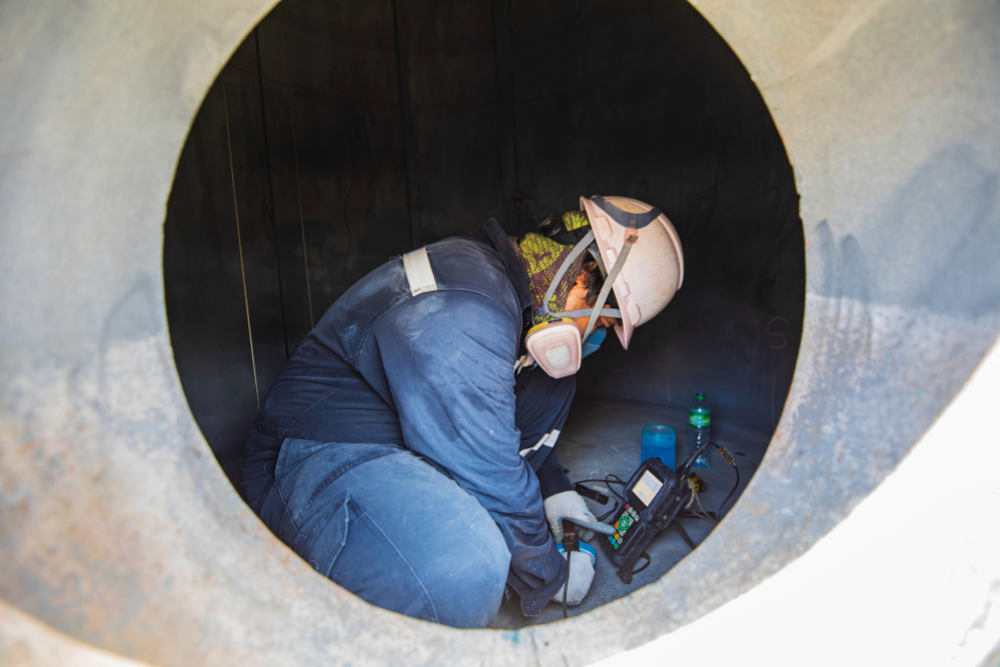
The foundation of a safety manager's work is understanding what can go wrong before it does. This involves conducting regular workplace inspections and walkthroughs to identify physical hazards, analyzing job tasks to assess the risks associated with specific roles and activities, reviewing incident and near-miss data to identify patterns that signal systemic problems, and staying current with regulatory requirements to ensure the organization's practices remain compliant.
Risk assessment is not a one-time activity. As workplaces evolve — new equipment is introduced, processes change, new workers join the team — the hazard landscape shifts accordingly. An effective safety manager treats hazard identification as an ongoing, dynamic process rather than a box to be checked during an annual audit.
Developing and Implementing Safety Programs
Once hazards are identified, the safety manager is responsible for building the systems, policies, and programs that control them. This includes writing and maintaining safety policies and standard operating procedures, developing emergency response plans, designing training programs that equip workers with the knowledge and skills to work safely, implementing hazard control measures that follow the hierarchy of controls — from elimination and substitution to engineering controls, administrative controls, and personal protective equipment — and establishing safety observation and reporting systems that keep the lines of communication open between frontline workers and management.
A strong safety program is not a binder on a shelf. It is a living system that workers understand, use, and contribute to every day. Building that kind of program requires a safety manager who understands both the technical dimensions of occupational safety and the human dimensions of organizational behavior.
Training and Safety Education
A safety manager is, at their core, an educator. No safety policy, however well-written, protects a single worker if the workers it applies to do not understand it or know how to follow it. Safety managers design and deliver training programs covering everything from new employee orientation and job-specific hazard awareness to emergency response procedures, equipment operation, and regulatory compliance topics mandated by OSHA and other agencies.
Effective safety training is not a matter of showing workers a slide deck once a year. The best safety managers use a variety of formats — hands-on demonstrations, toolbox talks, safety moments, scenario-based exercises, and digital learning tools — to ensure that safety knowledge is absorbed, retained, and applied on the job. They also identify workers who may need additional support and provide targeted coaching before a knowledge gap leads to an incident.
Incident Investigation and Corrective Action
When a workplace incident or near-miss occurs, the safety manager leads the investigation. This is one of the most technically demanding and organizationally sensitive aspects of the role. A thorough incident investigation goes far beyond identifying what happened on the surface. It digs into the root causes — the underlying conditions, system failures, behavioral factors, and organizational decisions that created the conditions for the incident to occur.
The goal of incident investigation is not to assign blame. It is to understand the full causal chain so that effective corrective actions can be implemented to prevent recurrence. A skilled safety manager uses proven methodologies such as root cause analysis, the five whys technique, or fault tree analysis to ensure that corrective actions address actual causes rather than superficial symptoms. They then track corrective action completion and verify effectiveness over time.
Regulatory Compliance and Reporting
Safety managers serve as the organization's primary interface with regulatory agencies, including OSHA at the federal level and state plan agencies where applicable. This includes maintaining required records such as the OSHA 300 log of work-related injuries and illnesses, managing OSHA inspections and responding to citations, ensuring that required safety programs are in place and current, and staying abreast of regulatory changes that may require updates to existing programs or the development of new ones.
Non-compliance with OSHA standards can result in significant financial penalties, operational disruptions, and reputational damage. Beyond the regulatory risk, non-compliance typically signals that workers are being exposed to hazards that could cause real harm. A strong safety manager treats regulatory compliance not as a bureaucratic burden but as a baseline — the minimum standard from which a truly effective safety program is built upward.
What Qualifications Does a Safety Manager Need?
Education
Most safety manager positions require at minimum a bachelor's degree, though the specific field of study varies. Degrees in occupational health and safety, industrial hygiene, environmental science, engineering, or a related technical discipline are common pathways. Some organizations, particularly those in high-hazard industries, prefer or require a graduate degree in safety management or a related field.
That said, a degree alone does not make an effective safety manager. The role demands a combination of technical knowledge, practical field experience, communication skills, and the ability to influence people at every level of an organization — qualities that are developed through years of hands-on work rather than classroom instruction alone.
Professional Certifications
Professional certifications are highly valued in the safety management field and in many positions are effectively required for advancement. The most widely recognized certifications include the Certified Safety Professional (CSP), administered by the Board of Certified Safety Professionals, which is widely considered the gold standard credential in the industry. The Associate Safety Professional (ASP) is a common stepping stone toward the CSP for early-career safety professionals. The Occupational Health and Safety Technologist (OHST) credential is valuable for those working in more technical or specialized roles. In industries with significant environmental responsibilities, the Certified Industrial Hygienist (CIH) and Certified Hazardous Materials Manager (CHMM) designations are also relevant.
Maintaining these certifications requires ongoing continuing education, which ensures that credentialed safety professionals stay current with evolving regulations, best practices, and industry developments.
Experience and Skills
Beyond education and certification, effective safety managers bring a specific set of skills to the role. Strong analytical ability is essential for identifying hazard patterns and conducting thorough root cause analyses. Excellent communication skills — both written and verbal — are required for developing policies, delivering training, presenting safety performance data to leadership, and building relationships with frontline workers. Organizational skills are critical for managing the many simultaneous demands of a comprehensive safety program. And perhaps most importantly, effective safety managers possess the interpersonal skills and credibility to influence behavior across all levels of an organization — from the CEO to the newest hire on the shop floor.
Why Every Organization Needs a Safety Manager
The Cost of Not Having One
Organizations that operate without dedicated safety management expertise pay for that gap in predictable and costly ways. Incident rates climb. Workers' compensation costs rise. Regulatory citations accumulate. Talented workers leave because they do not feel safe or valued. And in the worst cases, workers are killed — a cost that no financial metric can adequately capture.
The U.S. Bureau of Labor Statistics reported more than 2.8 million nonfatal workplace injuries and illnesses in the private sector in a recent year, along with more than 5,000 fatal work injuries. Each of those incidents represents a failure of a safety system — and in many cases, the absence of a safety system at all.
The Value a Safety Manager Delivers
A skilled safety manager delivers value that extends far beyond regulatory compliance. They build the systems that prevent incidents before they happen, reducing the direct and indirect costs associated with workplace injuries. They develop training programs that make workers more competent and confident in their roles. They create reporting cultures where near-misses and hazards are surfaced and addressed before they escalate. And they provide the organizational leadership that transforms safety from a compliance obligation into a genuine competitive advantage.
Research consistently shows that organizations with strong safety cultures — cultures that safety managers are uniquely positioned to build and sustain — outperform their peers not just on safety metrics but on broader measures of operational excellence, employee engagement, and financial performance.
5 Frequently Asked Questions About Safety Managers
What Is the Difference Between a Safety Manager and a Safety Officer?
The terms safety manager and safety officer are often used interchangeably, but they typically refer to roles with different levels of responsibility and organizational authority. A safety officer is generally a frontline or field-level role focused on day-to-day safety monitoring, conducting inspections, delivering toolbox talks and safety moments, enforcing safety rules on the job site, and reporting hazards and incidents to higher-level safety personnel. Safety officers are the eyes and ears of the safety program at the operational level.
A safety manager, by contrast, is responsible for the design, implementation, and oversight of the entire safety program. They develop the policies and procedures that safety officers enforce, analyze safety performance data across the organization, manage regulatory compliance at an institutional level, lead incident investigations, and report safety performance to senior leadership. Safety managers typically have broader authority, higher qualifications, and greater strategic responsibility than safety officers.
In smaller organizations, one person may fulfill both roles simultaneously, handling both the strategic and operational dimensions of workplace safety. In larger organizations, safety managers may oversee a team of safety officers distributed across multiple sites, departments, or operational areas. Understanding the distinction helps organizations structure their safety functions appropriately for their size, risk profile, and operational complexity.
What Are the Most Important Skills a Safety Manager Needs to Succeed?
Technical knowledge of occupational safety regulations, hazard recognition, and risk assessment methodologies is the foundation, but it is far from the only skill that determines a safety manager's effectiveness. The safety professionals who consistently deliver the best outcomes combine technical expertise with a set of human skills that are equally important and often harder to develop.
Communication is arguably the most critical skill a safety manager can possess. They must be able to write clear, actionable policies and procedures that workers at every level can understand and follow. They must be able to deliver compelling safety training that engages rather than bores. They must be able to present safety performance data to executives in terms that connect to business outcomes. And they must be able to have difficult conversations with supervisors and workers when unsafe behaviors need to be corrected — doing so in a way that is firm but respectful and that builds rather than damages the working relationship.
Analytical thinking is equally essential. A safety manager who can only react to incidents after they happen is operating in a permanent state of catch-up. The most effective safety managers use data proactively — analyzing near-miss trends, leading indicator metrics, and operational risk data to identify where the next incident is most likely to occur and take preventive action before it does.
Influence without authority is perhaps the most nuanced skill in a safety manager's toolkit. Safety managers rarely have direct authority over the workers whose behavior they most need to shape. They succeed by building credibility, demonstrating genuine care for workers' well-being, aligning safety priorities with the operational and business goals that operational leaders care about, and creating systems that make the safe choice the easy choice.
How Does a Safety Manager Build a Strong Safety Culture?
Safety culture is the shared set of values, beliefs, and behaviors in an organization that determine how safety is prioritized and practiced when no one is watching. Building a strong safety culture is one of the most important and most challenging things a safety manager can accomplish — and it cannot be achieved through policy documents or compliance checklists alone.
The foundation of a strong safety culture is leadership commitment. When senior leaders visibly prioritize safety — participating in safety moments, conducting walkthroughs, asking workers directly about the hazards they face, and holding themselves and others accountable for safety performance — it signals to every person in the organization that safety is genuinely valued. A safety manager's first and most important internal advocacy role is helping organizational leaders understand that their visible commitment to safety is not optional. It is the single most powerful driver of safety culture.
From that foundation, safety managers build culture through consistent communication, meaningful worker involvement, and a reporting environment where people feel safe surfacing problems without fear of punishment. Encouraging workers to report near-misses and hazards — and responding to those reports visibly and promptly — creates a feedback loop that surfaces risks before they become incidents. Recognizing and celebrating safe behaviors, rather than focusing exclusively on incident statistics, reinforces the positive dimensions of safety culture rather than treating safety as purely a matter of avoiding failures.
Safety culture also requires patience. It cannot be manufactured through a campaign or a one-time initiative. It is built through thousands of small, consistent actions over months and years — every safety moment delivered, every hazard investigated, every near-miss taken seriously, and every worker who feels that someone in their organization genuinely cares whether they go home safe at the end of the day.
What Are the Biggest Challenges Safety Managers Face?
Safety management is deeply rewarding work, but it comes with a set of persistent challenges that even the most experienced professionals must navigate continuously. Understanding these challenges is important for anyone considering the field and for organizational leaders who want to support their safety managers effectively.
One of the most common and frustrating challenges is the perception that safety and productivity are in conflict. When operational pressures intensify — production quotas, tight deadlines, staffing shortages — safety can be treated as a competing priority rather than an enabling condition of operational excellence. Safety managers must consistently make the case, with data and with real examples, that safe operations are productive operations, and that the cost of a serious incident far exceeds the cost of the time and resources invested in preventing it.
Securing adequate resources is a related and ongoing challenge. Safety programs require investment — in training, in equipment, in personnel, and in the systems needed to manage and measure safety performance. Safety managers frequently operate with budgets that are insufficient for the scope of their responsibilities, forcing difficult decisions about where to focus limited resources. Building the business case for safety investment is a skill that effective safety managers develop over time, learning to speak the language of risk, liability, and return on investment in ways that resonate with financial decision-makers.
Worker engagement is a third significant challenge. Safety programs fail when workers view them as bureaucratic impositions rather than genuine protections. Engaging workers as active participants in safety — soliciting their input on hazards, involving them in incident investigations, rotating them through safety moment delivery responsibilities, and recognizing their safety contributions — transforms safety from something that is done to workers into something that workers own and drive themselves.
How Is the Safety Manager Role Evolving in the Modern Workplace?
The safety manager role has evolved significantly over the past two decades and continues to change rapidly in response to shifting workplace realities, advancing technology, and an expanding understanding of what worker well-being actually means.
One of the most significant shifts is the broadening of the safety manager's scope beyond traditional physical hazards to encompass psychological health and well-being. Mental health, workplace stress, burnout, and psychosocial hazards are now recognized as legitimate occupational safety concerns with real consequences for worker health and organizational performance. Modern safety managers are increasingly expected to address these dimensions of worker well-being alongside the physical hazards that have historically defined the field.
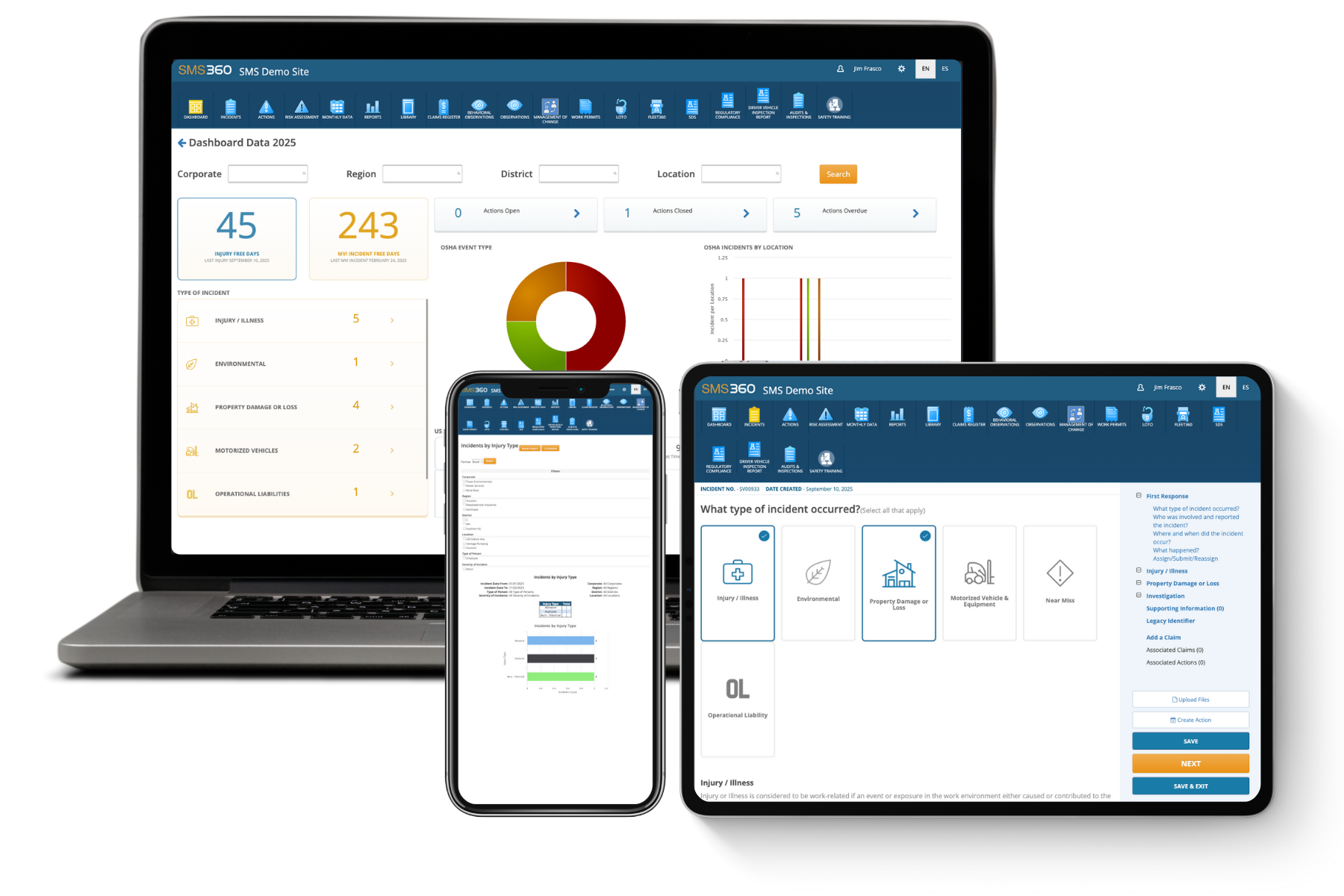
Technology is transforming how safety managers do their work. Wearable sensors can monitor workers' physical condition and alert them to heat stress or fatigue in real time. Drones and remote inspection tools allow hazard assessments in locations that would previously have required workers to place themselves at risk. Digital safety management platforms centralize incident reporting, training records, inspection results, and safety moment documentation in ways that make data analysis faster, more comprehensive, and more actionable than paper-based systems ever allowed.
The integration of safety with broader environmental, social, and governance frameworks is also reshaping the role. As organizations face growing stakeholder expectations around ESG performance, safety managers are increasingly called upon to contribute to sustainability reporting, supply chain safety assessments, and the development of safety metrics that are meaningful to investors, customers, and regulators alike.
Through all of these changes, the core mission of the safety manager remains unchanged: to ensure that every person who comes to work goes home safe. The tools, the scope, and the expectations surrounding that mission continue to evolve — but the human commitment at the center of it does not.