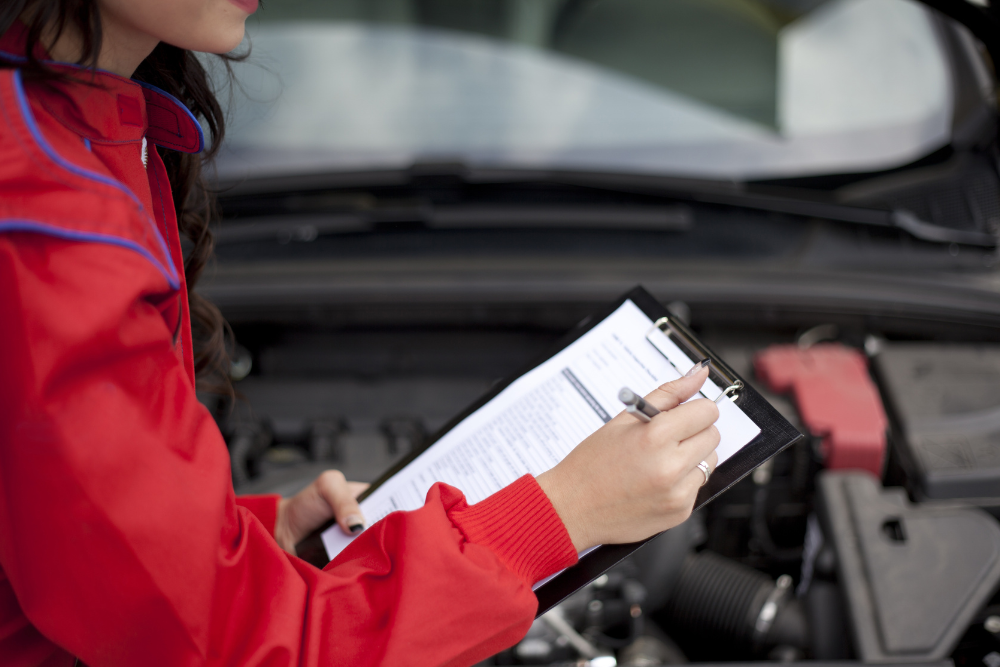
A vehicle inspection is one of the simplest, most effective tools available for catching mechanical problems before they turn into breakdowns, accidents, or costly repairs. Whether it's a driver walking around a commercial truck before a shift, a fleet manager scheduling routine maintenance checks, or a state agency requiring an annual safety inspection for a personal vehicle, the underlying purpose is the same: confirm that a vehicle is in safe, roadworthy condition before it's put back on the road.
This article covers the different types of vehicle inspections, what they typically involve, who's responsible for conducting them, and why consistent inspection habits matter for both individual drivers and commercial fleets.
What a Vehicle Inspection Actually Involves
A vehicle inspection is a structured review of a vehicle's mechanical condition, safety systems, and overall roadworthiness. Depending on the context, an inspection might be brief and informal — a quick walkaround before a trip — or highly detailed and regulated, involving specific checklists, documentation requirements, and certified inspectors.
At its core, though, every vehicle inspection is trying to answer the same basic question: is this vehicle safe to operate right now? That question covers a wide range of systems, from brakes and tires to lighting, steering, and emissions, and a thorough inspection is designed to catch problems in any of these areas before the vehicle is driven.
Preventive Purpose, Not Just Compliance
It's worth emphasizing that vehicle inspections exist primarily as a preventive safety measure, not simply a regulatory box to check. A vehicle that passes an inspection today can still develop a problem tomorrow, which is why inspections are typically repeated on a regular schedule rather than treated as a one-time event. The value of an inspection comes from consistency — catching a worn brake pad or a slow tire leak while it's still a minor issue, rather than after it's caused a breakdown or contributed to a crash.
Types of Vehicle Inspections
Not all vehicle inspections serve the same purpose or follow the same process. Understanding the different categories helps clarify what's actually required in a given situation, and how often.
Pre-Trip and Post-Trip Inspections
Pre-trip and post-trip inspections are typically performed by the driver themselves, immediately before and after operating the vehicle. These are especially standardized in the commercial trucking industry, where federal regulations require drivers to inspect their vehicle before each trip and to report any defects discovered during or after the trip. A pre-trip inspection generally covers items like tires, brakes, lights, mirrors, fluid levels, and any visible damage or leaks, while a post-trip inspection focuses on documenting any problems that developed during the drive so they can be addressed before the vehicle's next use.
Periodic Maintenance Inspections
Periodic maintenance inspections are scheduled checks, often tied to mileage intervals or calendar time, that go beyond the quick visual review of a pre-trip inspection. These inspections are usually more thorough, involving a closer look at components that wear gradually over time — brake pad thickness, fluid condition, belt and hose wear, suspension components — and are often performed by a qualified mechanic or technician rather than the driver.
State-Mandated Safety Inspections
Many states require periodic safety inspections for personal vehicles, typically on an annual or biennial basis, as a condition of vehicle registration. These inspections are conducted by a certified inspection station and generally cover a defined set of safety-critical systems, such as brakes, tires, lights, steering, and windshield wipers. Requirements vary significantly from state to state — some states have no safety inspection requirement at all, while others maintain detailed, state-specific checklists and require inspection stickers to be displayed on the vehicle.
Emissions Inspections
Separate from safety inspections, many states and localities require periodic emissions testing, aimed at confirming that a vehicle's exhaust system and emissions controls are functioning properly and meeting environmental standards. Emissions requirements are often tied to a vehicle's age, location, or how frequently it's driven, and in many jurisdictions, a valid emissions test is required before a vehicle's registration can be renewed.
Commercial Vehicle Inspections
Commercial vehicles are subject to a more extensive and heavily regulated inspection framework than personal vehicles, given the greater weight, complexity, and safety stakes involved. Beyond the daily pre-trip and post-trip inspections drivers perform themselves, commercial vehicles are also subject to roadside inspections conducted by trained enforcement officers, which can range from a basic driver and vehicle document check to a comprehensive, multi-point inspection covering nearly every major system on the vehicle.
What Inspectors Typically Check
While the specific checklist varies depending on the type of inspection and the jurisdiction, most vehicle inspections cover a consistent set of core safety systems.
Brakes
Brake systems are almost universally one of the most closely scrutinized components in any vehicle inspection, given how directly they affect a vehicle's ability to stop safely. Inspectors typically check brake pad or shoe thickness, look for fluid leaks in hydraulic systems or air leaks in air brake systems, confirm proper adjustment, and test that the brakes engage and release correctly.
Tires and Wheels
Tire condition affects traction, handling, and stopping distance, which makes it another consistent focus across nearly every type of inspection. Inspectors generally check tread depth, look for uneven wear patterns that might indicate an alignment or suspension issue, confirm tire pressure is within the appropriate range, and inspect for visible damage such as cuts, bulges, or exposed cord.
Lighting and Visibility
Properly functioning lights are essential both for the driver's own visibility and for signaling intentions to other drivers. A typical inspection checks headlights, taillights, brake lights, turn signals, and hazard lights, along with windshield wipers and washer fluid, and confirms that the windshield itself is free of cracks or damage that could obstruct the driver's view.
Steering and Suspension
Steering and suspension components affect a vehicle's overall stability and handling, and problems in these systems aren't always obvious to a driver during normal operation. Inspectors typically check for excessive play in the steering system, examine suspension components for wear or damage, and look for signs of fluid leaks around steering and suspension parts.
Under-the-Hood and Fluid Levels
A basic inspection often includes a check of key fluid levels — engine oil, coolant, brake fluid, power steering fluid, and windshield washer fluid — along with a visual check for leaks, worn belts, and damaged hoses. These checks are meant to catch developing problems before they cause a breakdown or more serious mechanical failure.
Who Is Responsible for Vehicle Inspections
Responsibility for conducting and documenting vehicle inspections varies depending on the type of vehicle and the regulatory context involved.
Individual Drivers
For personal vehicles, the vehicle owner or primary driver is generally responsible for keeping up with any state-mandated safety or emissions inspections, as well as performing basic, informal checks — tire pressure, fluid levels, light function — as part of routine vehicle care. While these informal checks aren't usually legally required in the same way a state inspection is, they play an important role in catching problems between scheduled inspections.
Commercial Drivers and Carriers
In the commercial trucking industry, responsibility is more formally distributed. Drivers are required to perform and document pre-trip and post-trip inspections, and to report any defects found. Carriers, in turn, are responsible for maintaining their vehicles, addressing reported defects before a vehicle is put back into service, and keeping inspection and maintenance records that demonstrate compliance with federal safety regulations. This shared responsibility reflects the reality that both the driver's day-to-day observations and the carrier's ongoing maintenance program play a role in keeping a commercial vehicle safe.
Certified Inspection Stations and Technicians
State-mandated safety and emissions inspections, as well as more detailed periodic maintenance inspections, are generally conducted by certified inspection stations or qualified technicians rather than the vehicle owner. These inspectors typically need specific training or certification to perform official inspections, and in the case of state safety inspections, are often authorized directly by the state to issue passing or failing determinations and inspection documentation.
Why Consistent Vehicle Inspections Matter
Beyond simply satisfying a legal requirement, regular vehicle inspections deliver real, measurable benefits in terms of safety, cost, and reliability.
Preventing Breakdowns and Accidents
The most direct benefit of regular inspections is catching mechanical problems before they lead to a breakdown or, more seriously, contribute to an accident. Many vehicle failures don't happen instantly — a brake pad wears down gradually, a tire develops a slow leak, a belt shows early signs of cracking — which means a consistent inspection routine has a real opportunity to catch these issues while they're still minor and inexpensive to fix.
Reducing Long-Term Repair Costs
Small mechanical issues tend to compound if left unaddressed. A minor fluid leak, if ignored, can eventually lead to a much more expensive component failure. Worn brake pads, if not replaced in time, can damage rotors or drums, turning a relatively inexpensive repair into a significantly more costly one. Regular inspections help catch these issues while they're still small, which generally keeps long-term maintenance costs lower than a reactive approach that only addresses problems once they've become serious.
Supporting Regulatory Compliance
For commercial fleets in particular, consistent inspection practices are directly tied to regulatory compliance and can affect a carrier's standing with enforcement agencies. Missed or poorly documented inspections can result in violations during a roadside inspection, and a pattern of violations can affect a carrier's safety rating and, in some cases, insurance costs. Maintaining a disciplined, well-documented inspection program is one of the most effective ways for a carrier to demonstrate ongoing compliance and reduce this kind of regulatory exposure.
Frequently Asked Questions
How often should a personal vehicle be inspected, and does this vary by state?
The frequency of required vehicle inspections for personal vehicles varies significantly depending on where the vehicle is registered, since there's no single federal requirement governing personal vehicle safety inspections in the United States. Some states require an annual safety inspection as a condition of registration renewal, others require inspections every two years, and a number of states have no mandatory safety inspection requirement at all, relying instead on periodic law enforcement observation and driver responsibility to catch unsafe vehicles. Emissions inspection requirements follow a similarly inconsistent pattern and are often layered on top of, or separate from, safety inspection requirements, with frequency and applicability sometimes depending on the vehicle's age, the specific county or region where it's registered, or how many miles it's driven annually. Because these rules vary so much by location, vehicle owners should check directly with their state's department of motor vehicles or equivalent transportation agency to confirm the specific inspection requirements that apply to their vehicle, rather than assuming a national standard applies uniformly. Beyond whatever official inspection schedule applies, it's generally good practice for any vehicle owner to perform informal checks — tire condition, fluid levels, light function — more frequently than the state-mandated schedule requires, since mechanical problems can develop well before the next official inspection comes due.
What's the difference between a safety inspection and an emissions inspection?
Safety inspections and emissions inspections serve fundamentally different purposes, even though some states require both as a condition of vehicle registration, and even though a single visit to an inspection station sometimes covers both at once. A safety inspection is focused on whether the vehicle's mechanical systems are in safe operating condition — checking brakes, tires, lights, steering, wipers, and similar components that directly affect the vehicle's ability to be driven and stopped safely. An emissions inspection, by contrast, is focused entirely on the vehicle's exhaust and emissions control systems, testing whether the vehicle is releasing pollutants within legally allowable limits, typically as part of a broader state or regional environmental compliance program rather than a direct safety concern. Because they test different things, a vehicle can pass one type of inspection while failing the other — a vehicle with well-maintained brakes and tires could still fail an emissions test due to a malfunctioning catalytic converter or oxygen sensor, and conversely, a vehicle could pass emissions testing while having a serious brake or tire issue that would fail a safety inspection. Not every state requires both types of inspection, and where they are required, the specific combination, frequency, and process can vary considerably, which is another reason it's worth confirming the exact requirements that apply in a given state or region rather than assuming they mirror another location's rules.
What happens if a commercial vehicle fails a roadside inspection?
When a commercial vehicle fails a roadside inspection due to a serious defect, the most immediate consequence is typically an out-of-service order, meaning the vehicle is not permitted to continue operating until the identified problem is repaired and the vehicle passes a follow-up inspection or is otherwise cleared to return to service. The severity of the response generally depends on the nature of the violation — a minor issue might result in a citation with a requirement to repair it within a certain timeframe, while a more serious safety defect, particularly one involving brakes, steering, or tires, is likely to result in the vehicle being taken out of service on the spot. Beyond the immediate operational impact of a parked vehicle and delayed load, a failed inspection typically becomes part of the carrier's official safety record, which can affect the carrier's overall safety rating with regulatory agencies and, in some cases, influence how frequently that carrier's vehicles are selected for inspection in the future. Repeated or serious violations can also affect a carrier's standing more broadly, including potential impacts on insurance premiums and, in more severe or repeated cases, regulatory intervention. For these reasons, commercial carriers generally place significant emphasis on proactive maintenance and thorough pre-trip inspections specifically to reduce the likelihood of a failed roadside inspection, since the operational, financial, and regulatory consequences of a failure tend to be considerably more disruptive than the cost of catching and fixing the same issue proactively.
Can a driver be held responsible if they operate a vehicle with a known mechanical defect?
Yes, and this is a meaningful consideration both for individual drivers and, especially, for commercial drivers operating under federal safety regulations. In the commercial trucking context specifically, drivers are legally required to conduct pre-trip inspections and to report any defects they discover, and knowingly operating a vehicle with a defect serious enough to affect its safe operation can expose the driver to citations during a roadside inspection, in addition to the underlying safety risk of driving an unsafe vehicle. Beyond the regulatory dimension, there's also a practical liability consideration: if a vehicle with a known, unaddressed mechanical defect is involved in an accident, the fact that the defect was known and not reported or repaired can become a significant factor in any resulting investigation or legal proceeding, potentially affecting both the driver's and the carrier's liability. For personal vehicle owners, the legal exposure is generally less formally structured than it is for commercial drivers, since there typically isn't a legal requirement to perform a documented pre-trip inspection before every drive, but operating a vehicle with a known safety defect — worn-out brakes, bald tires, non-functioning headlights — can still result in citations if the vehicle is stopped or inspected by law enforcement, and it can similarly become a relevant factor if the vehicle is involved in an accident. In both contexts, the safest and most straightforward approach is to address a known mechanical defect before continuing to operate the vehicle, rather than assuming a problem can be safely deferred until a more convenient time.
Do electric vehicles require different or additional inspections compared to gasoline-powered vehicles?
Electric vehicles generally go through many of the same core safety inspection categories as gasoline-powered vehicles — brakes, tires, steering, suspension, and lighting are all still relevant regardless of what powers the vehicle — but there are some meaningful differences in what an inspection covers, largely because electric vehicles don't have several of the traditional components that inspections have historically focused on. Since electric vehicles don't have an internal combustion engine, they're generally exempt from traditional emissions testing requirements in states and localities that mandate it, since there's no tailpipe exhaust to test in the first place; some jurisdictions have adjusted their inspection programs accordingly, either exempting electric vehicles from emissions testing entirely or replacing it with a different type of check specific to electric drivetrains. On the safety side, electric vehicles introduce some inspection considerations that don't apply to traditional vehicles, such as checking the condition and security of high-voltage battery systems and charging components, which typically requires technicians to have specific training given the higher voltage systems involved compared to a standard gasoline-powered vehicle. Braking systems can also differ somewhat in inspection focus, since many electric vehicles rely heavily on regenerative braking, which can result in different wear patterns on traditional friction brakes compared to a gasoline vehicle that relies solely on friction braking for all stopping power. As electric vehicles become more common, many state inspection programs and commercial fleet maintenance standards are continuing to evolve their specific checklists and technician training requirements to better reflect these differences, so it's worth checking whether a given inspection program has electric-vehicle-specific procedures in place, rather than assuming the standard gasoline-vehicle checklist applies without modification.
.png)