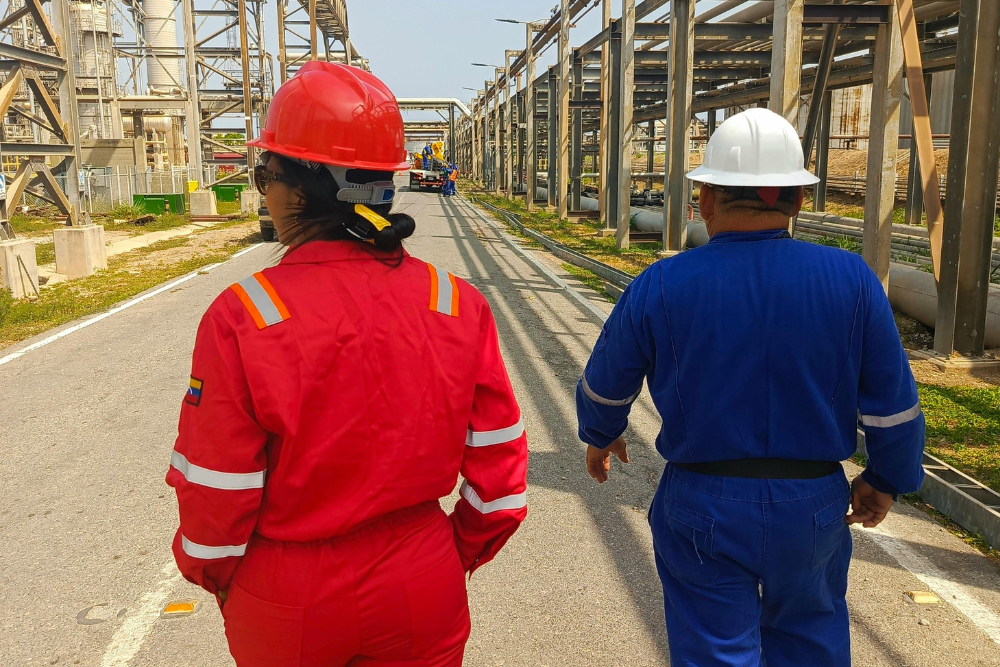
The Impact of Technology on Safety Management Systems
In an ever-evolving work environment, Safety Management Systems are no longer just about compliance; they are becoming dynamic tools with actionable insights that can prevent accidents and ensure employee welfare. The rise of technology has brought forth a vast array of innovations, enhancing the way organizations approach safety.
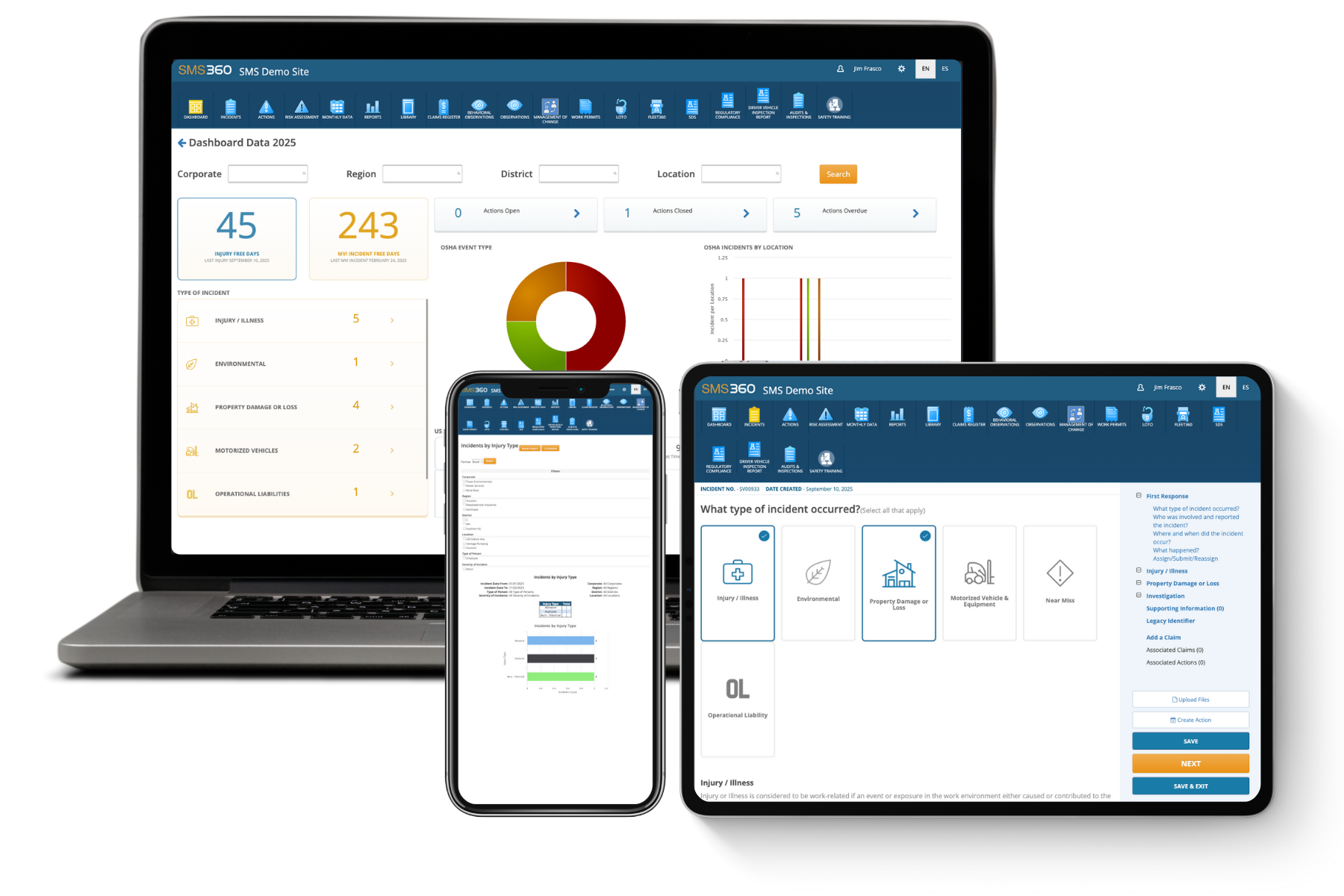
With the implementation of Safety Automation Software, businesses can now automate regular safety checks and ensure adherence to safety protocols in real-time. This innovation reduces human error and increases compliance accuracy.
Emerging Trends in Safety Automation Software
As we move forward, safety automation software is becoming a cornerstone of effective safety management systems. Here are some key trends shaping this future:
- Real-Time Data Monitoring: Sensors and IoT devices provide ongoing feedback about workplace safety conditions. This immediate insight can help address potential hazards instantly.
- AI-Powered Risk Assessment: Utilizing artificial intelligence, companies can predict potential risks by analyzing historical data and current trends. AI can help identify patterns that may lead to accidents.
- Mobile Accessibility: Safety management is increasingly moving to mobile platforms, allowing employees to report issues or access safety resources on the go. This can be especially vital in high-risk environments.
Consider a manufacturing plant where workers are often exposed to hazardous machinery. By utilizing real-time data monitoring, managers can receive alerts if safety equipment malfunctions or if employees enter a restricted area.
Integrating Compliance Management Software
Another significant aspect of Safety Management Systems is the necessity of compliance management software. This software ensures that companies meet regulatory standards and maintain necessary documentation.
Some benefits of integrating compliance management software include:
- Streamlined Auditing Processes: Automatic documentation of safety inspections and employee training sessions makes audits easier and less time-consuming.
- Regulatory Updates: Compliance management systems often include features that update businesses on new regulations, helping them stay ahead of compliance requirements.
- Centralized Reporting: All safety-related documents are stored in one location, making it easier for teams to access information and track compliance.
For instance, a construction company implementing compliance management software was able to centralize all safety training records, which streamlined their workflow and facilitated faster compliance audits. This not only saved time but also reduced the risk of fines from regulatory bodies.
The Role of Employee Training in Safety Management Systems
Employee training is becoming indispensable for effective safety management. Involving workers in safety discussions helps foster a culture of safety and increases overall compliance.
Innovations in training, such as:
- Virtual Reality (VR) Training: Immersive VR experiences can simulate potential hazards, allowing employees to practice safe behaviors in a controlled environment.
- On-Demand Online Learning: Offering training resources online provides flexibility and ensures all employees can adequately prepare for safety challenges.
- Interactive Training Programs: Engaging training methods promote better retention of safety protocols and encourage worker participation.
A healthcare facility that adopted VR training reported a 25% decrease in workplace accidents after employees practiced emergency scenarios before facing them in real life.
Exploring the Future of Safety Management Systems
Looking ahead, the direction of Safety Management Systems will likely be shaped by:
- Predictive Analytics: Companies will increasingly rely on data to predict potential incidents, allowing them to proactively make adjustments to safety protocols.
- Mobile-First Solutions: Given the rise of remote work and mobile accessibility, systems tailored for mobile devices will ensure that safety is always at employees' fingertips.
- Employee Wellbeing Focus: Beyond just compliance, the future will place greater emphasis on employee mental health, mental wellness programs, and work-life balance.
For instance, organizations might combine traditional safety protocols with mental health initiatives to promote a more holistic approach to worker safety.
Taking Action Now
It’s clear that the evolution of safety management systems is here, driven by technology and prioritizing employee well-being. Organizations need to adapt and adopt innovative solutions like SMS360’s Safety Automation Software and Compliance Management Software to stay ahead of the curve. As worker safety continues to become integral to business success, leveraging these trends can empower your organization to protect what matters most.
Don't wait for incidents to occur. Explore SMS360's safety and compliance software today to ensure that your workplace remains safe and compliant with new advancements in safety management systems.
Frequently Asked Questions
What are Safety Management Systems?
Safety Management Systems are frameworks that enable organizations to manage safety processes, ensuring compliance with regulations and enhancing workplace safety.
How can Safety Automation Software improve workplace safety?
Safety Automation Software allows for real-time monitoring of safety measures, significantly reducing human error and enhancing compliance efforts.
Why is employee training vital in compliance management?
Regular employee training helps maintain compliance with safety standards and cultivates a culture of safety, leading to fewer workplace accidents and higher productivity.
.png)