
Understanding Mobile Safety Management: A Game Changer
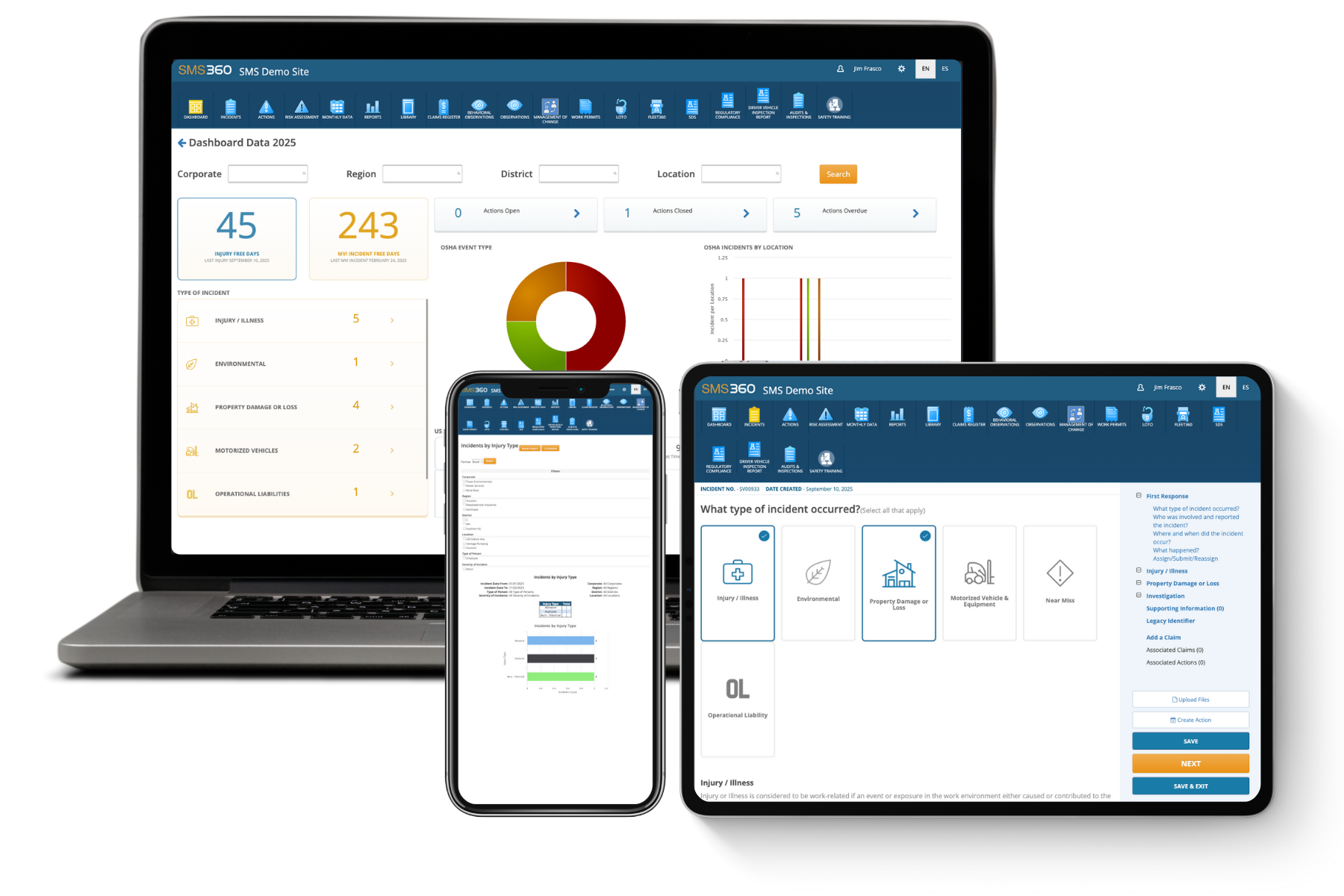
When it comes to managing safety in the workplace, traditional methods often fall short. Mobile safety management is revolutionizing the way organizations approach safety compliance and risk management. With the power of smartphones and tablets, employees can access vital safety information on the go, fostering a proactive safety culture.
But why stop there? With offline safety management capabilities, teams can remain efficient and effective even in remote areas without internet connectivity. The combination of mobile and offline access offers flexibility that enhances overall safety management practices. Let’s dive deeper into the benefits these features bring to the table.
Enhanced Flexibility with Mobile Safety Management
Flexibility is key in today's fast-paced work environment. Mobile safety management permits teams to communicate and share information instantly, regardless of their location. Here are a few highlighted benefits:
- Real-Time Updates: Safety protocols can be instantly updated and distributed to field personnel, ensuring everyone is on the same page.
- Immediate Reporting: Injuries or incidents can be reported immediately through mobile apps, leading to faster responses and improved safety outcomes.
- Accessibility: Employees can access safety training materials, checklists, and protocols from anywhere, decreasing the chances of outdated information being used.
Scenarios Where Mobile Safety Management Shines
Imagine a construction site bustling with activity. Workers need to reference safety measures while on a lift. Thanks to mobile safety management, they pull out their tablets to view the necessary protocols without leaving their duties.
Additionally, when an incident occurs, employees can quickly document it right from their devices. They can attach photos and provide details while the event is fresh in their minds, rather than relying on memory days later.
Offline Safety Management: Keeping Operations Smooth
In many industries, connectivity can be inconsistent, especially in remote locations. Offline safety management capabilities are crucial for maintaining operational efficiency. Here’s how:
- Uninterrupted Access: Teams can access essential safety documents and guidelines without relying on internet service.
- Data Syncing: Information recorded offline can sync automatically once connectivity is restored, ensuring compliance data is never lost.
- Training Anywhere: Safety training can occur anywhere, even in the field, allowing new hires to learn the ropes without delays.
Example of Offline Safety Management in Action
Consider a utility company working in areas prone to poor signal strength. Employees must adhere to strict safety protocols when repairing lines. With offline capabilities, they can access safety checklists, conduct risk assessments, and even fill out inspection forms without an internet connection, making safety management seamless.
Why Digital Safety Management is a Must-Have
Transitioning to a digital safety management system can revolutionize your organization’s approach to safety. Benefits of adopting digital tools include:
- Cost-Effectiveness: Reduce the expenses related to printing and distributing physical documents.
- Enhanced Compliance: Digital records simplify audits and ensure compliance with occupational safety regulations.
- Data Analytics: Gather and analyze safety data to identify patterns, enabling proactive measures.
Real-Life Impact of Digital Safety Management
A manufacturing company upgraded from paper logs to digital safety management. Over the following months, they noted a decrease in accident rates due to enhanced training and communication. Employees felt empowered to report issues instantly via their smartphones, leading to timely interventions.
This digital shift not only improved safety but also increased employee morale, illustrating the profound impact mobile safety management can have.
As organizations continue to embrace technology, integrating both mobile and offline access in safety management is becoming essential. The increased flexibility allows for optimal safety practices to be maintained in an ever-evolving work environment. By leveraging these approaches, businesses can not only meet compliance standards but cultivate a culture of safety that resonates throughout their workforce.
Ready to take your safety management to the next level? Explore SMS360’s comprehensive safety and compliance software to discover how mobile safety management can make a difference in your organization.
FAQ Section
What is mobile safety management?
Mobile safety management refers to the use of digital platforms and mobile devices to manage safety protocols, reporting, and training, allowing for instant access to safety information anywhere and anytime.
How does offline safety management work?
Offline safety management allows teams to access and update safety documents without needing an internet connection, ensuring that essential information is available whenever it's required.
Why is digital safety management important for compliance?
Digital safety management streamlines the process of maintaining records and conducting audits, ensuring that organizations meet occupational safety regulations and reduce risk.
.png)