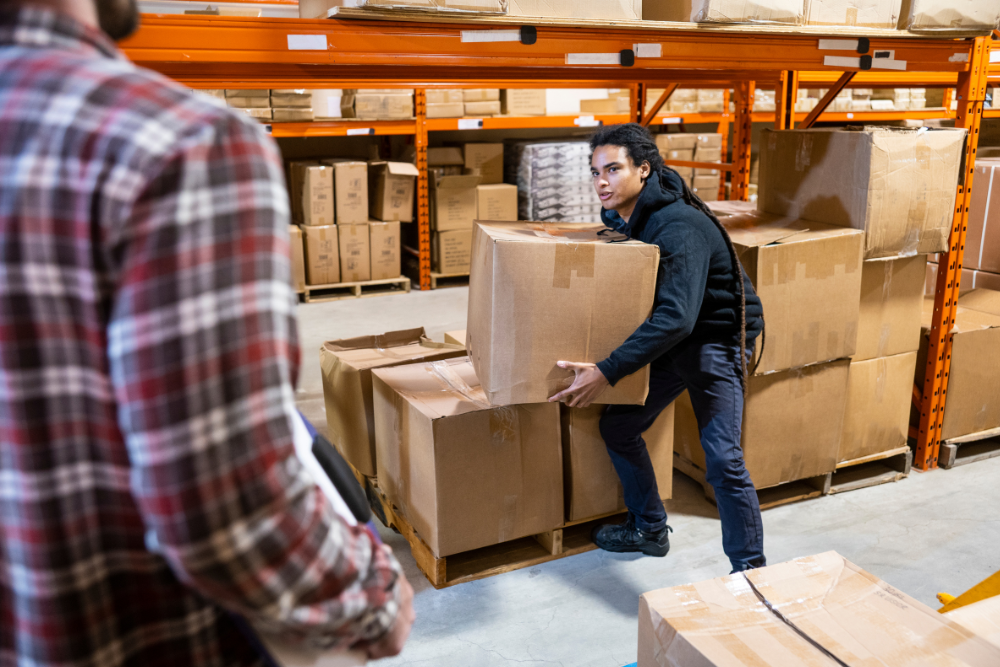
Thanksgiving is one of the busiest weeks of the year for American workplaces and homes. Offices try to wrap up projects before the long weekend, retailers and warehouses gear up for Black Friday, millions of people hit the road, and kitchens across the country run hotter and longer than on any other day of the year.
That combination of rushing, travel, fatigue, cooking and crowds creates real risk. Thanksgiving is the peak day of the year for home cooking fires, the holiday weekend brings some of the heaviest traffic of the year, and many workers who keep stores, hospitals, distribution centers and utilities running will be on shift while everyone else is at the table.
This guide covers practical Thanksgiving safety tips for employers, safety managers and workers, from the last day in the office to the first shift back. Thanksgiving falls on Thursday, November 26, 2026, and Black Friday follows on November 27.
Why Thanksgiving Week Matters for Workplace Safety
Rushing to finish before the break, thin coverage, distraction, heavier traffic and peak-season pressure are not unique to Thanksgiving, but they all peak at once. A short reminder from supervisors early in the week, and a plan for staffing and coverage, goes a long way.
Before the Holiday: Keeping the Workplace Safe
Do not let deadlines override procedures
Remind supervisors that "we need to be done by Wednesday" is never a reason to skip lockout/tagout, bypass a guard, rush a hot work permit or work at height without the right protection. If a job cannot be finished safely before the break, it should wait until Monday. Make sure every worker knows they have stop work authority and will be backed up for using it.
Plan coverage for short-staffed shifts
Review the schedule for Wednesday, Friday and the weekend. Confirm that qualified people are available for high-risk tasks, that first aid responders are on every shift, and that no one is assigned to equipment they have not been trained on. If staffing is thin, consider postponing non-routine or high-risk work. Non-routine tasks carry more risk even in a normal week.
Secure the site before the long weekend
For facilities and job sites that will be closed or lightly staffed:
- Shut down and secure equipment, store flammables and gas cylinders properly, and turn off or monitor heaters.
- Lock gates, trailers and tool storage, and check alarms, sprinklers and emergency lighting.
- Confirm emergency contact lists so on-call staff know who to call.
Keep the office potluck safe
For a workplace potluck, keep hot food hot and cold food cold, label dishes with common allergens such as nuts, dairy and gluten, and refrigerate or toss anything that has been out for more than two hours.
Holiday Travel: Getting There and Back Safely
The Thanksgiving weekend is one of the busiest travel periods of the year, with most travelers going by car. The Wednesday before Thanksgiving and the Sunday after are typically the heaviest days on the road. For employers, holiday travel safety matters because many employees will drive long distances right after a full workday, and because they need to come back rested and ready to work.
Share these reminders before employees leave for the holiday:
- Get rest before a long drive. Drowsy driving is a major cause of crashes. Leaving right after a long shift, or driving late into the night, raises the risk. Plan stops every two hours or about 100 miles, and switch drivers when possible.
- Buckle up every trip. Every passenger, every seat, every time.
- Put the phone away. Set navigation and music before leaving, and let a passenger handle the phone.
- Never drive impaired. The night before Thanksgiving is known for heavy drinking, and alcohol-impaired crashes rise over the holiday period. Plan a sober ride or stay put.
- Check the weather and the car. Late November can bring rain, snow and early ice in many regions. Check tires, wipers, lights and fluids, and pack an emergency kit. Watch for deer at dawn and dusk.
- Leave extra time. Traffic delays are guaranteed. Rushing to make up time is how crashes happen.
Fleet and Delivery Drivers During Thanksgiving Week
For fleets, Thanksgiving week combines peak shipping volume with some of the worst traffic of the year.
- Remind drivers about defensive driving. Increase following distance, expect sudden lane changes and brake lights, and stay out of other vehicles' blind spots.
- Plan routes around peak travel times where possible, and avoid scheduling long runs that end late Wednesday night.
- Respect hours of service limits. Holiday volume is never a reason to push drivers past their legal or safe limits. Dispatchers should plan loads that can be completed legally.
- Watch for fatigue. Drivers working extra shifts during peak season are at higher risk. Make it clear that drivers can stop when they are tired without penalty. See our guide to fatigue management.
- Do thorough pre-trip inspections. Cold mornings are hard on tires, batteries and air systems.
Kitchen Fire Safety: Thanksgiving's Biggest Home Hazard
According to the National Fire Protection Association (NFPA), Thanksgiving is the peak day of the year for home cooking fires, with roughly three times as many as on a typical day. Unattended cooking is the leading cause. The same safety habits that protect a commercial kitchen at work protect the family kitchen at home.
- Stay in the kitchen while anything is frying, grilling or boiling on the stovetop. If you leave, even briefly, turn off the burner.
- Check the oven and timers regularly when roasting or baking, and stay in the home while food is cooking.
- Keep the cooktop clear. Move towels, oven mitts, paper packaging and wooden utensils away from burners.
- Keep children and pets at least three feet away from the stove and hot food.
- Know how to put out a grease fire. Slide a lid over the pan and turn off the burner. Never pour water on a grease fire. If an oven fire starts, turn off the heat and keep the door closed.
- Have a working smoke alarm and fire extinguisher. Test smoke alarms before the holiday and keep an extinguisher rated for kitchen fires within easy reach. When in doubt, get out and call 911.
Turkey fryer safety
Deep-fried turkey is popular, but turkey fryers use gallons of hot oil and cause serious burns and fires every year. NFPA discourages the use of outdoor gas-fueled turkey fryers and recommends buying a fried turkey or using an oil-less fryer. If you do use a fryer:
- Use it outdoors only, on a flat, stable surface, well away from the house, garages, decks and anything that can burn. Never use one indoors or on a wooden deck.
- Fully thaw and dry the turkey. Water and ice cause hot oil to bubble over violently.
- Do not overfill the pot. Test the oil level with water before you start, with the turkey in the pot, then dry everything thoroughly.
- Turn off the burner before lowering the turkey in, and lower it slowly.
- Never leave the fryer unattended, and keep children and pets away.
- Wear long sleeves and insulated gloves, and keep an extinguisher rated for grease fires nearby.
Food Safety for the Holiday Meal
Foodborne illness can keep employees out of work for days after the holiday. Follow USDA food safety guidance:
- Thaw the turkey safely. Thaw in the refrigerator, allowing about 24 hours for every 4 to 5 pounds. For faster thawing, submerge the wrapped turkey in cold water, allowing about 30 minutes per pound and changing the water every 30 minutes. Never thaw a turkey on the counter.
- Cook to 165°F. Use a food thermometer to check the thickest part of the breast, the innermost part of the thigh and the innermost part of the wing. Stuffing should also reach 165°F, and it is safest to cook it in a separate dish.
- Avoid cross-contamination. Do not wash the raw turkey, which spreads bacteria around the sink. Use separate cutting boards for raw meat and ready-to-eat foods, and wash hands often.
- Follow the two-hour rule. Refrigerate leftovers within two hours of cooking. Store them in shallow containers so they cool quickly.
- Use leftovers within three to four days, or freeze them for longer storage. Reheat leftovers to 165°F.
Working the Holiday: Retail, Logistics, Healthcare and Essential Services
Many people will spend Thanksgiving at work. Hospitals, utilities, public safety, transportation, warehouses and retail stores all run through the holiday. For these employers, the holiday period brings its own safety concerns.
Black Friday and crowd management
For retailers, Black Friday crowds can turn dangerous. OSHA's crowd management guidance for retail employers recommends planning large sales events in advance:
- Use barricades or rope lines so lines do not form directly in front of entrances.
- Assign trained staff or security to manage entrances and crowd flow.
- Keep exits, aisles and fire lanes clear of displays and overflow stock.
- Share the emergency plan with local police and fire departments.
- Brief employees on what to do during a crowd surge or medical emergency, and never place staff directly in the path of a rushing crowd.
Stressful shopping days can also bring customer confrontations. Our guide to workplace violence prevention plans covers these controls in more detail.
Seasonal and temporary workers
New workers are injured at much higher rates than experienced ones, and many seasonal hires start right before or during Thanksgiving week. Give every new hire site-specific safety training before their first shift, cover the real hazards of their tasks, such as lifting, box cutters, conveyors and powered equipment, and pair them with an experienced coworker. When workers come through a staffing agency, OSHA considers the agency and the host employer jointly responsible for their safety.
Fatigue and long shifts
Peak season means overtime. Set limits on consecutive hours, schedule real breaks and watch for fatigue, especially in workers who drive home after a late shift. Anyone covering a skeleton shift alone should have a check-in procedure, as covered in our lone worker guide.
The First Shift Back
The Monday after Thanksgiving brings its own risks. Employees may be tired from travel, distracted by the coming holiday season or out of rhythm after a long weekend. Equipment that sat idle may need a careful startup.
- Hold a short safety talk at the start of the first shift to refocus crews.
- Walk the site before work begins to check for weather damage, frozen pipes, ice or anything that changed over the weekend.
- Encourage employees to speak up if they are sick or too fatigued to work safely.
How SMS360 Helps
Seasonal safety works best when it is planned and tracked, not left to memory. SMS360 helps you keep your team safe through the holiday season:
- Training Management to assign holiday toolbox talks, onboard seasonal workers and track completion.
- Audits & Inspections for pre-holiday site shutdown checklists and first-day-back walkthroughs.
- Safety Observations so workers can report hazards and near misses from any device.
- Incident Management to record vehicle incidents, injuries and near misses and follow corrective actions to completion.
- Vehicle Management and DOT Compliance to keep fleet inspections and driver records in order during peak season.
Request a demo to see how SMS360 can support your safety program through the holidays and into the new year.
Frequently Asked Questions
What is the biggest safety risk on Thanksgiving?
At home, cooking fires are the biggest risk. NFPA reports that Thanksgiving is the peak day of the year for home cooking fires, and unattended cooking is the leading cause. On the road, heavy holiday traffic, drowsy driving and impaired driving all increase crash risk over the long weekend.
What should employers do before the Thanksgiving holiday?
Remind supervisors not to rush work or skip procedures to finish before the break, plan staffing so qualified people cover high-risk tasks, secure facilities that will be closed, and share travel safety reminders with employees. For retail and logistics operations, prepare crowd management plans and train seasonal workers before Black Friday.
How long can Thanksgiving leftovers stay out?
No more than two hours. USDA recommends refrigerating leftovers within two hours of cooking and using them within three to four days, or freezing them for longer storage.
Have a Safe and Happy Thanksgiving
Thanksgiving is a time to slow down and be grateful, and that includes being grateful for coming home safe. A few simple habits, from finishing work without shortcuts to staying in the kitchen while the turkey cooks, prevent most holiday injuries. From all of us at SMS360, have a safe and happy Thanksgiving.