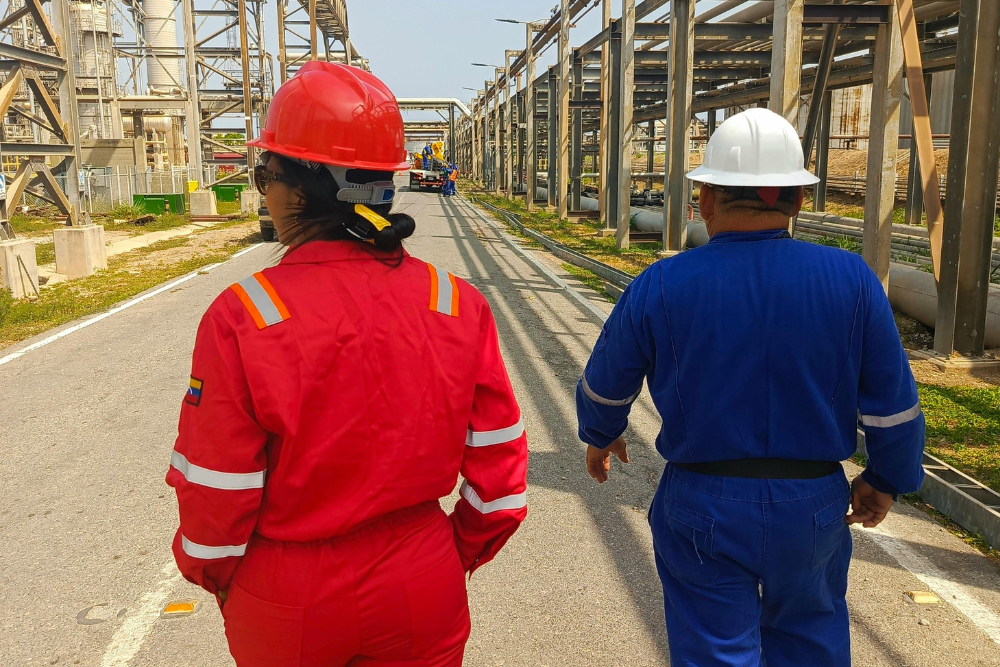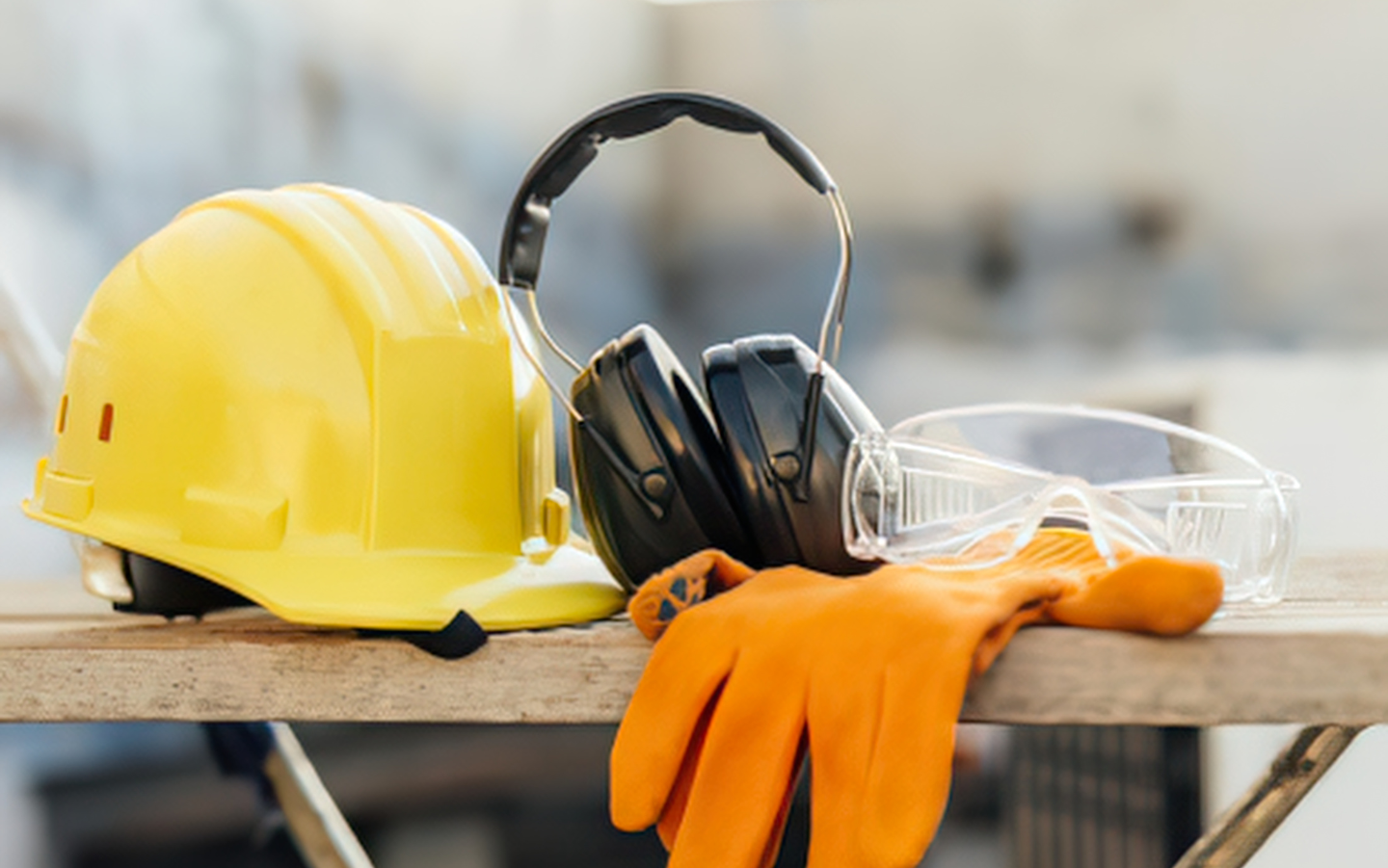
Every day, millions of workers step into environments where hazards cannot be fully engineered away — construction sites with falling debris, hospitals with infectious patients, factories with chemical splashes, and laboratories with airborne contaminants. When elimination, substitution, and engineering controls have done all they can, personal protective equipment (PPE) stands as the final barrier between the worker and the hazard.
Despite being the most visible element of workplace safety, PPE is also one of the most misunderstood. It is frequently treated as the first solution rather than the last resort, selected without proper hazard assessment, worn incorrectly, or removed in ways that transfer the very contamination it was meant to block. This guide explains what personal protective equipment is, the major categories of protective gear, the legal framework governing its use, how to put it on and take it off correctly, and how organizations can manage PPE programs effectively.
What Is Personal Protective Equipment?
Personal protective equipment refers to garments, devices, and accessories designed to be worn or used by an individual to protect against hazards that can cause injury, illness, or death. The Occupational Safety and Health Administration (OSHA) defines PPE as equipment worn to minimize exposure to hazards including physical, chemical, biological, electrical, mechanical, radiological, and airborne particulate dangers.
PPE encompasses an enormous range of items: hard hats, safety glasses, face shields, respirators, gloves, gowns, coveralls, safety footwear, hearing protection, and fall protection harnesses, among many others. What unites them is a single principle — they protect the individual wearer, and only the wearer, by placing a physical barrier between the person and the hazard.
PPE and the Hierarchy of Controls
To understand PPE properly, you have to understand where it sits in the hierarchy of controls — the framework safety professionals use to prioritize hazard management. The hierarchy ranks controls from most to least effective: elimination (physically removing the hazard), substitution (replacing it with something less dangerous), engineering controls (isolating people from the hazard through ventilation, guarding, or enclosure), administrative controls (changing how people work through procedures and training), and finally PPE.
PPE sits at the bottom for good reason. It does nothing to reduce the hazard itself — the chemical is still toxic, the noise is still deafening, the edge is still unguarded. It protects only the person wearing it, only while they wear it, and only if it is the right equipment, properly fitted, properly maintained, and properly used. Every link in that chain depends on human behavior, which makes PPE inherently less reliable than controls that remove the hazard altogether. A well-run safety program treats PPE as a supplement to higher-order controls, never a substitute for them.
Why PPE Still Matters
None of this diminishes PPE's importance. In countless real-world situations, residual risk remains after all other controls are applied, and PPE is what stands between that residual risk and the human body. The Bureau of Labor Statistics has consistently found that a large proportion of workers who suffer eye, head, and foot injuries were not wearing the appropriate protection at the time — and that in many cases, suitable equipment was available on site. The gap between PPE availability and PPE use is where most preventable injuries live.
The Main Types of Personal Protective Equipment
PPE is typically organized by the part of the body it protects. A complete hazard assessment usually identifies needs in several of these categories at once.
Head Protection
Hard hats and safety helmets protect against impact from falling objects, bumps against fixed structures, and, in rated models, electrical contact. ANSI/ISEA Z89.1 classifies head protection by impact type — Type I for top-of-head impact and Type II for lateral impact — and by electrical class: Class G (general, tested to 2,200 volts), Class E (electrical, tested to 20,000 volts), and Class C (conductive, no electrical protection). Modern safety helmets increasingly include chin straps and integrated accessory slots for face shields, earmuffs, and lights. Head protection must be inspected regularly for cracks, dents, and UV degradation, and replaced after any significant impact even if no damage is visible.
Eye and Face Protection
Eye injuries are among the most common — and most preventable — workplace injuries. Safety glasses with side shields protect against flying particles; goggles provide a sealed barrier against dust, splashes, and fine debris; face shields protect the entire face against splashes, sprays, and spatter but must always be worn over safety glasses or goggles, never alone. All eye and face protection in the United States should meet ANSI/ISEA Z87.1, with markings indicating impact rating ("Z87+"), splash protection, and optical class. Specialized applications demand specialized lenses: shaded filters for welding, laser-rated eyewear matched to specific wavelengths, and UV-blocking lenses for outdoor work.
Hearing Protection
Noise-induced hearing loss is permanent, painless in onset, and entirely preventable. When workplace noise meets or exceeds an 8-hour time-weighted average of 85 decibels, OSHA requires a hearing conservation program. Earplugs (foam, pre-molded, or custom) and earmuffs each carry a Noise Reduction Rating (NRR) indicating laboratory-measured attenuation. In high-noise environments, plugs and muffs can be combined for additional protection. Fit matters enormously — a poorly inserted foam plug can deliver a fraction of its rated attenuation, which is why fit training and, increasingly, individual fit testing are best practice.
Respiratory Protection
Respirators protect against airborne hazards ranging from nuisance dusts to toxic vapors and infectious aerosols. They divide into two families: air-purifying respirators, which filter contaminants from ambient air (N95 filtering facepieces, half- and full-face elastomeric respirators with cartridges, and powered air-purifying respirators), and atmosphere-supplying respirators, which deliver clean air from an independent source (supplied-air lines and self-contained breathing apparatus). Respirator use in the workplace is governed by OSHA 29 CFR 1910.134, which requires a written program, medical evaluation, annual fit testing for tight-fitting models, and training. Selection depends on the contaminant, its concentration, and the assigned protection factor of the respirator class.
Hand and Arm Protection
Hands are involved in nearly everything workers do, which makes them the most frequently injured body part. Glove selection must match the hazard: cut-resistant gloves rated under ANSI/ISEA 105 for sharp materials, chemical-resistant gloves (nitrile, butyl, neoprene, or laminate) matched to the specific chemical and its breakthrough time, insulated rubber gloves for electrical work, heat-resistant gloves for hot work, and disposable exam gloves for biological hazards. No single glove protects against everything — a nitrile exam glove that resists biological contamination offers little against cuts, and a leather work glove soaks up chemicals rather than blocking them. Glove charts from manufacturers, which list permeation and breakthrough data by chemical, should drive selection for chemical work.
Body Protection and Protective Clothing
Personal protective clothing equipment spans everything from high-visibility vests to fully encapsulating chemical suits. Common categories include flame-resistant (FR) clothing for arc flash and flash fire hazards (rated under NFPA 70E and NFPA 2112), chemical protective suits classified by protection level, disposable coveralls for particulates and light splashes, gowns and aprons for healthcare and food processing, and high-visibility apparel meeting ANSI/ISEA 107 for workers exposed to vehicle traffic. The key principle in selecting protective clothing is matching the garment's certified performance to the specific hazard — a disposable polypropylene coverall that handles dust admirably will wick flammable liquids and melt in a flash fire.
Foot and Leg Protection
Safety footwear protects against impact, compression, punctures, slips, electrical hazards, and chemical exposure. ASTM F2413 governs protective footwear in the US, with markings for impact and compression resistance, metatarsal protection, electrical hazard rating, and puncture resistance. Beyond steel or composite toes, the right footwear choice considers sole slip resistance for the actual walking surfaces, chemical resistance of the upper, and ankle support for uneven terrain. Leggings, chaps, and metatarsal guards extend protection for specific tasks like chainsaw work and foundry operations.
Fall Protection
For work at height, personal fall arrest systems — full-body harnesses, shock-absorbing lanyards, self-retracting lifelines, and anchorage points rated to 5,000 pounds — are PPE in the most literal life-or-death sense. OSHA requires fall protection at four feet in general industry and six feet in construction. Harnesses must be inspected before each use, fitted snugly, and connected to suitable anchorages, and every fall arrest plan must include a rescue provision, because suspension trauma can become life-threatening within minutes of an arrested fall.
PPE Requirements and Employer Responsibilities
The Legal Framework
In the United States, OSHA's general PPE standard (29 CFR 1910.132) establishes the core obligations: employers must assess the workplace for hazards requiring PPE, select appropriate equipment, provide it — in nearly all cases at no cost to employees — train workers in its use, and ensure it is used and maintained properly. Equipment-specific standards add detail for eye and face protection, respiratory protection, head protection, foot protection, electrical protective equipment, and fall protection. Equivalent frameworks exist worldwide, including the EU PPE Regulation 2016/425, which classifies equipment into three categories by risk severity and governs how PPE is certified and CE-marked before sale.
The Hazard Assessment
Everything in a PPE program flows from the hazard assessment. OSHA requires employers to conduct and certify in writing a workplace hazard assessment identifying hazards that necessitate PPE. A good assessment walks through each task and area systematically: What can strike, penetrate, splash, burn, or be inhaled? What is the severity and likelihood? Can the hazard be controlled higher up the hierarchy first? Only then does it specify equipment — by type, rating, and standard, not just generic category. "Gloves required" is not a specification; "ANSI cut level A4 gloves for blade changeover" is.
Training, Fit, and Worker Involvement
OSHA requires that each affected employee be trained to know when PPE is necessary, what PPE is necessary, how to don, doff, adjust, and wear it, its limitations, and its proper care and disposal. Fit deserves special emphasis: PPE designed around a single body template fails the workforce that doesn't match it. Ill-fitting equipment is uncomfortable, and uncomfortable equipment gets modified or abandoned. Offering sizes and models that fit the full range of workers — including women, who have historically been issued downsized men's equipment — is both a compliance matter and a practical one. Involving workers in PPE selection trials measurably improves acceptance and consistent use.
Donning and Doffing Personal Protective Equipment
How PPE is put on (donned) and taken off (doffed) matters as much as what is worn — particularly in healthcare, infectious disease response, and chemical work, where incorrect doffing is a leading cause of self-contamination.
The Correct Donning Sequence
For standard healthcare-style PPE, the CDC-recommended donning sequence is: perform hand hygiene first, then put on the gown, then the respirator or mask, then eye protection (goggles or face shield), and finally gloves, pulled over the cuffs of the gown. The logic is to work from the most fundamental barrier outward, finishing with gloves so that nothing is touched with bare hands after the ensemble is complete. In industrial settings the same principle applies in adapted form — coveralls before boots and gloves, respirator sealed and checked before entering the contaminated zone, with tight-fitting respirators requiring a user seal check every time they are donned.
The Correct Doffing Sequence
Doffing is where contamination transfer happens, so it is deliberately sequenced to remove the dirtiest items first while touching outer surfaces as little as possible. The CDC sequence removes gloves first (using the glove-in-glove technique so skin never touches the contaminated exterior), then eye protection handled by the headband or earpieces, then the gown, pulled away from the body and rolled inward, and finally the respirator or mask — handled only by the straps, and removed outside the contaminated area. Hand hygiene is performed immediately after doffing, and ideally between steps if hands become visibly contaminated. In high-consequence environments, doffing is done in a designated area with a trained observer reading each step aloud — a practice adopted widely after the 2014 Ebola response demonstrated how easily even trained professionals self-contaminate.
Inspection, Maintenance, and Storage
Reusable PPE must be cleaned, inspected, and stored according to manufacturer instructions. Inspection before each use should look for cracks in lenses and shells, degradation of straps and seals, cuts and permeation staining in gloves, and frayed webbing or deployed shock absorbers in fall protection. Damaged equipment must be removed from service immediately — a cracked hard hat or a torn glove provides the appearance of protection without the substance, which is arguably worse than no protection at all because it changes the wearer's behavior.
Managing a PPE Program That Actually Works
From Compliance to Culture
The difference between organizations where PPE is worn and organizations where it is merely issued comes down to management discipline and culture. Leaders who model PPE use, supervisors who correct violations consistently and coach rather than punish, procurement that prioritizes comfort and fit alongside certification, and workers who understand the why behind each requirement — these are the ingredients of high compliance. Conversely, tolerating "quick task" exceptions teaches the workforce that PPE rules are negotiable, and negotiable rules erode quickly.
Digital PPE Management
Tracking hazard assessments, issue records, training certifications, fit test dates, inspection schedules, and replacement cycles across hundreds of workers quickly outgrows spreadsheets. Modern safety management platforms centralize PPE registers, automate reminders for respirator fit testing and harness inspections, capture field inspections via mobile devices, and generate the auditable documentation regulators expect. Digitizing the PPE program doesn't just save administrative time — it closes the gaps where expired fit tests and uninspected equipment hide.
Frequently Asked Questions About Personal Protective Equipment
What is personal protective equipment, and what counts as PPE?
Personal protective equipment is any equipment worn by a person to minimize exposure to hazards that cause serious workplace injuries and illnesses — a definition drawn directly from OSHA's framework. The defining characteristics are that the equipment is worn or carried by the individual, that it protects only that individual, and that it works by creating a barrier between the wearer and a hazard rather than by removing the hazard itself. By this definition, PPE includes head protection (hard hats, safety helmets, bump caps), eye and face protection (safety glasses, goggles, face shields, welding helmets), hearing protection (earplugs and earmuffs), respiratory protection (from N95 masks through self-contained breathing apparatus), hand protection (every category of safety glove), protective clothing (coveralls, gowns, FR garments, chemical suits, high-visibility apparel), foot protection (safety boots and shoes), and fall protection (harnesses and lanyards).
Some items occupy gray areas: ordinary uniforms and weather gear generally are not PPE, while items like insect-repellent treated clothing or sunscreen may or may not be classified as PPE depending on jurisdiction and context. The classification matters legally, because once something is PPE under OSHA rules, the employer typically must provide it at no cost, train workers in its use, and ensure it is maintained — obligations that don't attach to general workwear.
What article of PPE comes first when putting on personal protective equipment?
For the standard healthcare and infection-control ensemble, the gown comes first — but the true first step, before any equipment touches your body, is hand hygiene. The full CDC-recommended donning sequence is: (1) perform hand hygiene with soap and water or alcohol-based rub; (2) put on the gown, fastening it at the neck and waist so it fully covers the torso from neck to knees and arms to wrists; (3) put on the respirator or surgical mask, molding the nosepiece and performing a seal check if using a respirator; (4) put on goggles or a face shield; and (5) put on gloves last, extending them over the gown cuffs so there is no exposed skin at the wrist. The sequence is engineered around two principles: items that are hardest to adjust without contaminating yourself go on early, and gloves go on last so that your now-clean hands never have to manipulate other equipment after gloving. In industrial contexts the sequence adapts to the ensemble — chemical coveralls typically go on before boots and outer gloves, and a tight-fitting respirator is always donned and seal-checked before entering the hazardous atmosphere — but the underlying logic is identical. It is worth memorizing the sequence for your specific workplace, because exam questions and real life agree on this point: a correct ensemble donned in the wrong order can leave gaps that defeat the entire purpose.
What is the correct way to take off (doff) PPE without contaminating yourself?
Doffing is the highest-risk moment in the entire PPE use cycle, because the outer surfaces of your equipment now carry whatever you were protecting yourself from. The guiding rule is "dirtiest first, touch outsides never." The CDC sequence is: (1) remove gloves first, grasping the palm of one glove with the opposite gloved hand and peeling it off, holding the removed glove in the still-gloved hand, then sliding bare fingers under the remaining glove's cuff and peeling it off over the first — the "glove-in-glove" or "beak" technique; (2) remove goggles or face shield by the headband or earpieces only, since the front is contaminated; (3) remove the gown by unfastening the ties, pulling it away from the neck and shoulders while touching only the inside, and rolling it inward into a bundle for disposal; (4) remove the respirator or mask last — and ideally after exiting the contaminated room — by handling only the straps, bottom strap first, without touching the front; and (5) perform hand hygiene immediately, and additionally between any steps where your hands may have been contaminated. An alternative accepted sequence removes gown and gloves together in one motion. In chemical work, doffing may also involve decontamination showers or wipe-downs before removal, and in high-consequence biological settings a trained observer should supervise every doff using a checklist. The common thread across all settings: slow down. Most self-contamination happens not because workers don't know the sequence, but because they rush it.
Who is responsible for providing PPE — the employer or the employee — and who pays for it?
Under OSHA's PPE payment rule (29 CFR 1910.132(h)), the employer must provide required PPE at no cost to employees in the vast majority of cases. If a hazard assessment determines that hard hats, safety glasses, respirators, chemical gloves, FR clothing, or fall protection are necessary to do the job safely, the employer pays for them, replaces them when they wear out, and cannot pass the cost to workers through payroll deductions.
The rule contains a handful of specific exceptions: employers are not required to pay for non-specialty safety-toe footwear or non-specialty prescription safety eyewear if the employer allows them to be worn off the job, ordinary clothing and weather-related gear, or replacement of PPE the employee has lost or intentionally damaged. Employees may choose to use their own PPE, but the employer remains responsible for ensuring that personally owned equipment is adequate, properly maintained, and sanitary. Responsibility extends well beyond payment, though.
The employer must assess hazards, select appropriate equipment, train each worker on when and how to use it, and enforce its use; the employee is responsible for wearing the equipment as trained, inspecting it before use, caring for it, and reporting damage or defects. This division reflects a broader principle in safety law: the party that controls the workplace and the work — the employer — carries the primary duty, while workers carry a complementary duty of cooperation.
How do you choose the right PPE for a specific job or hazard?
Correct PPE selection is a systematic process, not a catalog browse, and it always begins with a documented hazard assessment. Step one is identifying the hazards in each task: impact, penetration, compression, chemical exposure (and which chemicals specifically), heat, cold, electrical energy, noise, radiation, biological agents, airborne contaminants, and falls.
Step two is asking whether each hazard can be controlled higher in the hierarchy — guarded, ventilated, substituted, or eliminated — because PPE should only cover the risk that remains.
Step three is matching equipment to the residual hazard using certified performance ratings rather than generic categories: a cut hazard calls for a specific ANSI cut level, a chemical splash calls for a glove material with documented breakthrough time for that exact chemical, a noise hazard calls for an NRR sufficient to bring exposure below 85 dBA, and an airborne contaminant calls for a respirator whose assigned protection factor covers the measured concentration.
Step four is fit and compatibility: equipment must be available in sizes that fit the actual workforce, and items worn together must not interfere with each other — safety glasses that break a respirator's seal, or earmuffs that don't seat over a helmet's suspension, create gaps that ratings on paper never show. Step five is validating the selection in real work through wear trials, then training workers and documenting everything.
Finally, selection is never permanent: review it whenever processes, chemicals, or equipment change, and whenever incident or near-miss data suggests the current PPE isn't performing as assumed.
Conclusion
Personal protective equipment is the last line of defense, and last lines matter most precisely when everything else has failed. Treating PPE seriously means more than buying it: it means assessing hazards rigorously, selecting equipment by certified performance, providing it at no cost, training workers in correct donning and doffing, maintaining and inspecting it relentlessly, and building a culture where wearing it is simply how work gets done. Organizations that manage PPE as a living program — supported by clear accountability and good data — protect not only their compliance record but the eyes, lungs, hands, and lives of the people who do the work.

.png)