Practical guides, seasonal safety topics and compliance explainers for safety managers, fleet managers and EHS teams.
November workplace safety topics: darker commutes, drowsy driving, deer season, cold stress, slips, heaters and holiday staffing, with a toolbox talk plan.
Learn safe lifting techniques that prevent back injuries at work, from planning each lift to team lifts, mechanical aids and early warning signs.
Learn how to build a workplace violence prevention plan, including hazard assessments, reporting, training, and California and New York requirements.
Build a fleet distracted driving policy that works. Learn the FMCSA phone rules, what to prohibit, how to enforce it, and how to track compliance.
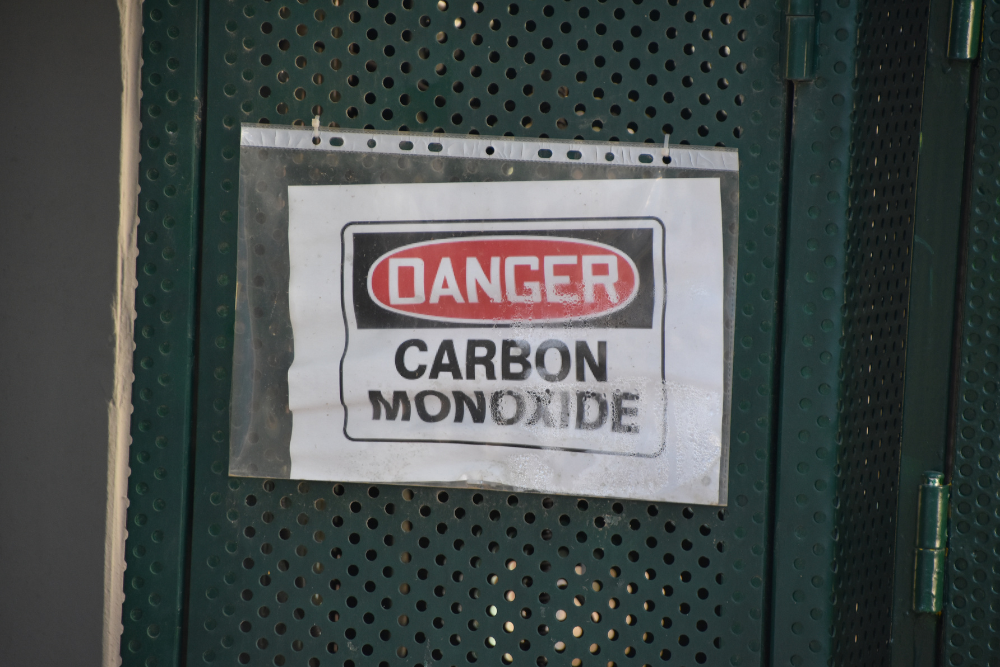
Winter brings heaters, generators, and closed doors. Learn the sources, symptoms, exposure limits, and controls for carbon monoxide at worksites and shops.
A guide to FMCSA hours of service rules: the 11-hour, 14-hour, 30-minute break and 60/70-hour limits, key exceptions, ELDs and compliance tips.
What fleets need to know about DOT physicals and medical cards in 2026: exam standards, certificate lengths, and the end of paper cards for CDL drivers.
National School Bus Safety Week runs Oct 19–23, 2026. Learn the theme, danger zone rules, stop-arm laws, and safety tips for kids, parents, and drivers.
Use this new hire safety orientation checklist to train new employees on hazards, PPE, emergency plans, reporting, and OSHA requirements from day one.
Learn how to build a return-to-work and light-duty program that helps injured employees recover, lowers workers’ comp costs, and stays compliant.
Stop work authority gives every worker the right to halt unsafe tasks. Learn how to build an SWA program, train employees, and create a culture where people use it.
Learn how to build a workplace safety committee that drives real results, from choosing members and setting goals to running meetings and tracking progress.
Kennel cleaning exposes pet care staff to chemicals, slips and strain. Learn how SDS reviews, PPE, ventilation and clear protocols keep workers safe.
Reference tools your team can use alongside the blog.