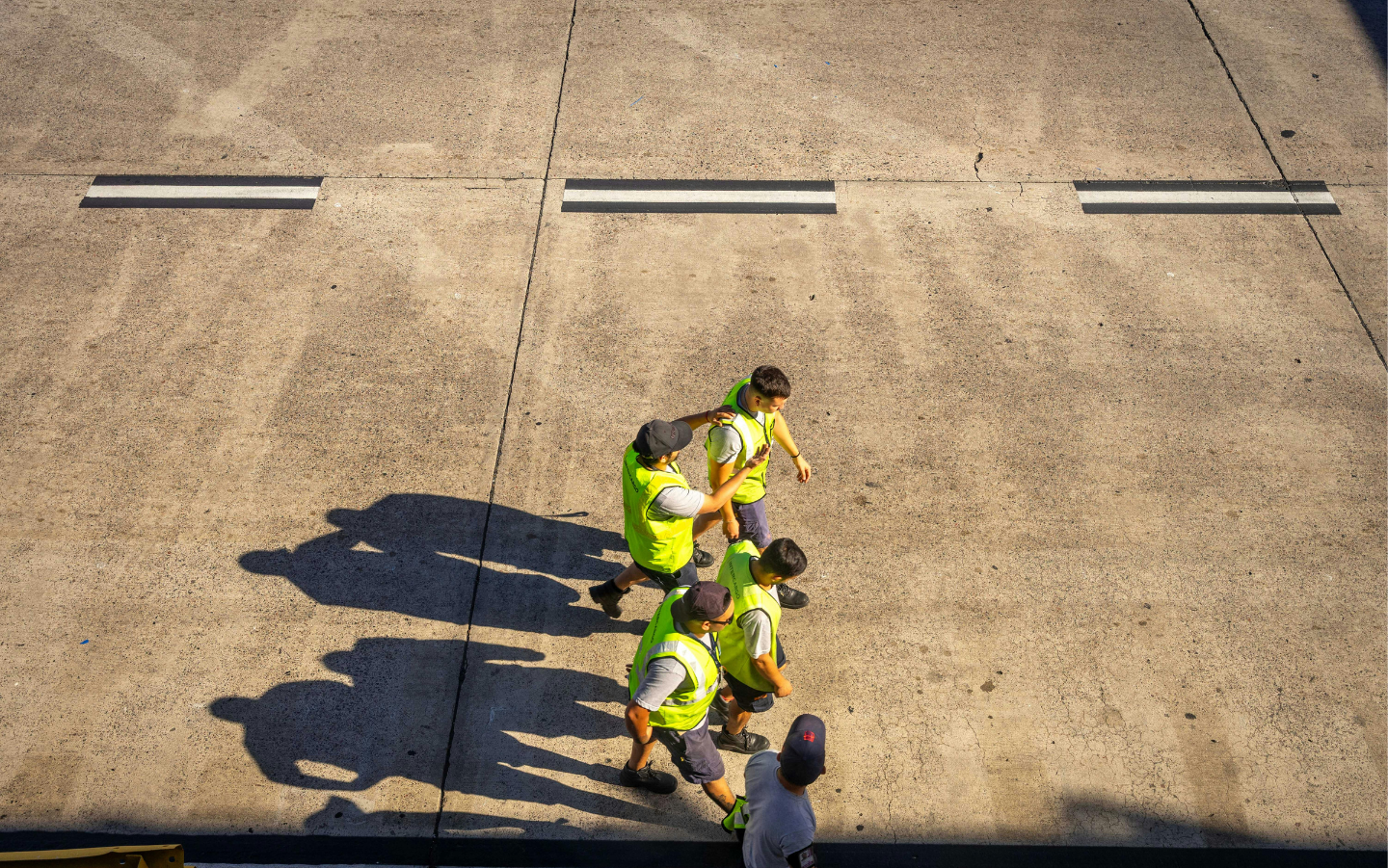
Gemba walks represent one of the most powerful yet underutilized tools in workplace safety management. The term "gemba" comes from Japanese and means "the actual place" — typically referring to the production floor or work area where actual work happens. A gemba walk is a management practice where leaders and safety professionals walk through work areas, observe actual work conditions, interact with workers, and identify safety hazards and operational issues that might not be visible from an office or conference room.
In many organizations, safety decisions are made in meetings based on reports, metrics, and secondhand information. Gemba walks force leaders to see conditions firsthand, to understand how workers actually perform their jobs (which often differs from how procedures say they should), and to build relationships with frontline workers who understand hazards better than anyone. Organizations that implement systematic gemba walk programs see dramatic improvements in safety culture, hazard identification, and worker engagement.
Understanding Gemba and Its Application to Safety
Gemba walks originated in lean manufacturing and continuous improvement practices in Japan. The philosophy underlying gemba is that understanding reality requires direct observation of actual work, not analysis of reports or data. In safety management, this principle is equally powerful. Safety hazards are real physical conditions in work areas, and understanding them requires being present in those areas, observing work, and talking with workers who encounter hazards daily.
A gemba walk differs from a traditional safety inspection in several important ways. A safety inspection typically involves a checklist, compliance verification against written standards, and identification of deviations from policy. A gemba walk is less structured, more focused on understanding actual conditions and worker experience, and explicitly includes conversations with workers about their perspective on safety and hazards. A safety inspection might determine that machine guards are in place (compliance). A gemba walk observes whether workers actually use the guarded path or bypass it, whether the guard interferes with visibility, and whether workers understand why the guard exists.
Implementing an Effective Gemba Walk Program
Successful gemba walk programs require clear objectives, consistent scheduling, documented findings, and follow-up on identified issues. Objectives for gemba walks might include hazard identification, assessment of safety culture and worker engagement, verification that training is being applied, identification of near-miss opportunities, or investigation of specific incidents.
Frequency and scheduling should be systematic. Many organizations establish a schedule where managers or safety leaders conduct gemba walks of specific areas on designated days, ensuring that all work areas receive regular attention. Some organizations establish a monthly schedule where each manager walks their own area, while the safety director rotates through different areas. The frequency should be sufficient that workers recognize leaders are regularly present and interested in safety conditions — typically at least monthly in most organizations.
Selecting participants for gemba walks varies by organizational culture and objectives. Gemba walks can include plant managers, safety directors, operational supervisors, or cross-functional teams. Some organizations specifically invite frontline workers to participate in gemba walks with their supervisor, creating opportunities for workers to point out hazards they've noticed. Others use gemba walks as leadership development experiences, where newer managers learn to observe and ask questions about work conditions.
Conducting a Productive Gemba Walk
Preparation before a gemba walk improves effectiveness. Leaders should understand the work processes occurring in the areas they'll visit, identify any recent incidents or near-misses that occurred there, and consider specific hazards they expect to observe. This preparation focuses observation and allows more substantive conversations with workers.
During the walk, leaders should move slowly through the work area, observing how work is actually being performed. Key observation areas include equipment condition, worker use of personal protective equipment, housekeeping and material storage, ergonomic positioning during tasks, communication among workers, and worker positioning relative to hazards. Leaders should notice not just violations of policy, but also near-miss situations where workers narrowly avoided injuries.
Interaction with workers is essential to a productive gemba walk. Leaders should ask open-ended questions about the work, hazards workers have noticed, near-misses they've experienced, suggestions for improvement, and their perception of safety in the area. Questions like "What's the most dangerous part of your job?" or "What near-misses have you had in the past month?" often reveal hazards and concerns that wouldn't emerge in formal safety meetings. Workers frequently know about hazards and have suggested corrections long before management recognizes problems.
Listening without judgment is critical. If a worker mentions bypassing a safety procedure because the procedure is impractical, the response should be curiosity about why rather than immediate correction. The gemba walk is information gathering, not an inspection where violations are immediately disciplined. Workers will share concerns openly only if they trust that doing so won't result in punishment.
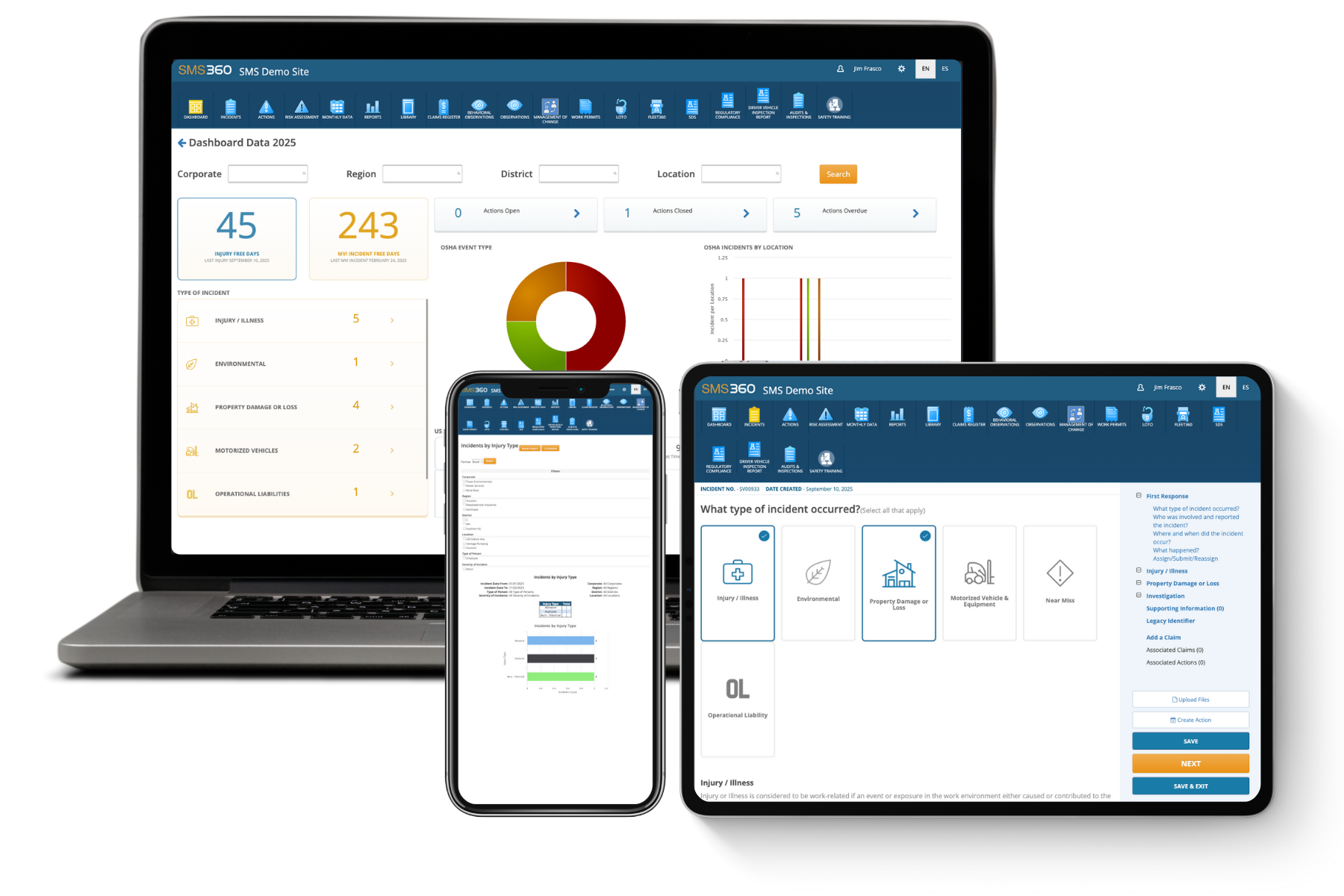
Documentation during gemba walks should capture observations, hazards identified, worker suggestions, and any incidents or near-misses mentioned. Many organizations use simple forms or checklists to ensure consistency across walkers and areas. Photographs of hazardous conditions or near-miss situations can be valuable for follow-up discussions and corrective action planning.
Identifying Hazards Through Gemba Walks
Gemba walks often identify hazards that formal hazard assessments might miss. Formal assessments typically focus on major hazards and standard risk categories. Gemba walks reveal operational realities including workarounds workers have created, equipment degradation that's developed gradually, or near-miss patterns emerging over time.
One common discovery through gemba walks is that workers develop unofficial procedures that differ from documented procedures. For example, workers might have discovered that the documented machine setup procedure doesn't actually work with the specific equipment variation in use, so they've developed their own sequence. They bypass a safety step because it interferes with the actual job demands. A gemba walk reveals this, allowing management to revise procedures to match actual work while maintaining safety.
Gemba walks also reveal personal protective equipment issues. Equipment that's supposed to be worn might be uncomfortable, might interfere with visibility or dexterity needed for the task, or might not actually be available in convenient locations. Workers will tell a leader on a gemba walk about these practical problems more readily than they would in a formal safety meeting. Learning about these barriers to compliance allows management to select better equipment or redesign procedures.
Near-miss information gathered during gemba walks is valuable for preventive action. If multiple workers mention near-misses from a particular hazard, that area becomes a priority for corrective action. Workers often report near-misses informally during gemba walks because they're speaking one-on-one with a leader rather than in a group setting where they might feel uncomfortable.
Building Safety Culture Through Gemba Walks
Consistent leadership presence in work areas through gemba walks signals that safety is genuinely important to organizational leadership. Workers notice whether leaders visit only after incidents or whether they're present regularly observing conditions. Regular, systematic gemba walks demonstrate that safety is a regular management priority, not just a response to problems.
Gemba walks also create opportunities for informal safety communication. Leaders can ask workers about safety concerns, listen to their ideas, and communicate organizational priorities. Workers who are asked for their perspective on safety feel more engaged in safety management than workers who simply receive top-down mandates.
Following up on concerns raised during gemba walks is essential to maintaining credibility. If a worker mentions a hazard during a gemba walk and nothing happens, the message sent is that feedback is not valued. Following up — even if the conclusion is that the hazard is acceptable and doesn't require action — demonstrates that concerns are taken seriously.
Using Gemba Walk Data for Continuous Improvement
Gemba walk findings should be compiled and analyzed to identify patterns and priorities for corrective action. If multiple gemba walks reveal similar hazards in different areas, this indicates a systemic issue requiring a programmatic corrective action rather than just addressing the individual locations.
Data from gemba walks should be shared with relevant managers and safety teams. Monthly or quarterly reviews of gemba walk findings help managers see trends and identify their specific areas of concern. This creates accountability for addressing identified issues.
Gemba walk data can also be aggregated into safety metrics. Organizations can track the number and types of hazards identified, near-misses reported, worker suggestions made, and percentage of suggestions implemented. These metrics reflect the health of the safety management system — improving metrics indicate that safety management is becoming more effective.
Overcoming Common Gemba Walk Challenges
One common challenge is that leaders feel uncomfortable spending time on the production floor observing and asking questions. Some leaders view this as "not working" or a waste of time compared to office-based activities. Overcoming this requires leadership commitment and education about the value of gemba walks. Organizations should establish clear expectations that leaders conduct gemba walks and should measure and recognize this activity.
Another challenge is that workers may initially be suspicious of gemba walks, fearing that management presence means someone is looking for violations to discipline. Building trust requires consistent messaging that the purpose of gemba walks is learning and improvement, not discipline. Leaders should avoid citing workers for violations observed during gemba walks — discipline should occur through established procedures, not as a result of the walk.
Ensuring consistency across leaders conducting gemba walks is important. Without standardization, some leaders conduct meaningful walks while others simply walk through without substantive observation or interaction. Training leaders on gemba walk purpose, techniques, and documentation helps ensure consistency.
Some organizations struggle with converting gemba walk observations into action. If findings accumulate without being addressed, gemba walks become a documentation exercise without actual safety improvement. Establishing clear processes for assigning responsibility for corrective actions and tracking completion ensures that gemba walks drive actual improvements.
Gemba Walks in Different Work Environments
Manufacturing and processing facilities are the most obvious application of gemba walks, as the nature of the work makes observation straightforward. However, gemba walks apply to any work environment. In offices, gemba walks might focus on ergonomics, fire safety, chemical storage, or information security. In healthcare, gemba walks observe actual patient care delivery, looking at hazards workers encounter and where procedures differ from documentation. In construction, gemba walks assess fall protection compliance, equipment condition, and hazard awareness.
In service industries like hospitality or retail, gemba walks might focus on customer interaction areas, back-of-house operations, or training application. The principle remains the same — observing actual work conditions and talking with frontline workers about safety and operations.
Frequently Asked Questions About Gemba Walks
What's the difference between a gemba walk and a safety inspection, and why would an organization do both instead of just conducting inspections?
Gemba walks and safety inspections serve different purposes and complement each other in a comprehensive safety management approach. A safety inspection is typically a structured evaluation against a checklist or set of standards, conducted at scheduled intervals, often by a dedicated safety professional or inspector. The inspector verifies compliance with documented safety standards, identifies deviations, documents findings, and issues corrective action requests. Safety inspections are valuable for systematic verification that safety standards are being followed and for creating a record of compliance efforts. They're particularly important for regulatory compliance, as documentation of inspections demonstrates due diligence. Gemba walks, in contrast, are less formal observations conducted by operational leaders, often without a rigid checklist, explicitly including conversations with workers.
The purpose is understanding how work is actually being performed, identifying worker concerns, and observing hazards that may not violate specific standards but create real risks. A gemba walk might reveal that workers consistently bypass a documented procedure because it's impractical for their actual equipment variation, while a safety inspection might verify that the procedure is documented and training was completed. Both are important. Safety inspections ensure compliance with standards and create accountability for meeting requirements. Gemba walks ensure that standards and procedures actually address real workplace conditions and worker needs. Organizations that conduct only inspections risk having procedures that look compliant on paper but aren't actually effective because they don't match real work conditions. Organizations that conduct only gemba walks risk having compliance gaps and insufficient documentation for regulatory purposes. The combination provides both compliance verification and continuous improvement based on understanding actual work conditions.
How do I know what to look for during a gemba walk, and how detailed should my observations be?
The depth and focus of gemba walk observations varies based on the walk's objectives and the observer's expertise, but effective gemba walks involve multiple layers of observation. At the most basic level, observe the physical environment including equipment condition, material and tool storage, cleanliness and housekeeping, lighting, and any obvious hazards like exposed electrical lines, trip hazards, or unsafe machine configurations. Look for the presence or absence of required personal protective equipment and observe whether workers are actually wearing it — not just whether it's available. Notice worker positioning and ergonomics, including whether workers are reaching excessively, working in awkward positions, or moving repetitively in ways that might cause strain injuries. Observe how workers interact with equipment, including whether they're following documented procedures or using workarounds. Notice whether workers appear to understand safety concepts — do they recognize the hazard they're protecting against when they wear specific protective equipment, or are they just following rules without understanding why. At a deeper level, observe work flow and identify bottlenecks that might pressure workers to rush or cut corners.
If a process has a narrow bottleneck, workers might bypass safety procedures to avoid delays. Notice communication patterns among workers and between workers and supervisors. Are workers calling out hazards to each other, or working in silence? This indicates the level of safety awareness and communication culture. Notice near-miss situations where workers narrowly avoided injury — for example, a worker reaching past a moving machine with no guards, or walking while looking at a clipboard in a high-traffic area. These observations reveal hazard exposure even if no injury occurred. As you develop expertise through repeated gemba walks, you'll recognize subtler indicators like changes in worker behavior when you enter an area (which might indicate they were doing something unsafe), workers avoiding particular equipment or areas (suggesting they perceive hazard there), or equipment showing signs of damage or modification. The level of detail should match the observer's expertise — someone with limited safety training might focus on obvious hazards, while an experienced safety professional might notice subtle equipment degradation or ergonomic stress patterns.
Should I document and act on every observation during a gemba walk, or should I focus on the most significant issues?
Deciding what to document and how to respond to observations depends on the severity of the hazard and the context. Serious hazards that create immediate injury risk should be addressed immediately — if you observe a condition that could cause a serious injury right now, the observation period ends and immediate action begins. For example, if a worker is operating equipment without required guarding, that should stop immediately. For less urgent hazards, you have flexibility in how aggressively to pursue correction. One approach is to categorize observations by severity: serious hazards requiring immediate action, moderate hazards requiring corrective action within a defined timeframe, and minor concerns that should be documented but may be addressed through routine maintenance or the next planned equipment service. This tiering prevents overwhelming the organization with corrective action requests while ensuring that serious issues receive priority. Another consideration is whether the observation represents a compliance violation or a best-practice concern.
Compliance violations should be documented and tracked formally because they represent regulatory risk. Best-practice concerns that don't violate regulations might be documented but handled more informally as suggestions for improvement. It's also reasonable to discuss observations with the area supervisor or worker during the walk and determine whether a corrective action request is necessary or whether the concern can be addressed through immediate discussion and commitment. Not every observation needs to become a formal corrective action. However, be cautious about being too selective — if you observe only major issues and ignore moderate concerns, workers perceive that you're not really addressing safety comprehensively. Documenting moderate concerns demonstrates attention to detail and commitment to continuous improvement. The practical approach is to document all observations, then triage them into immediate action items (serious hazards), formal corrective action requests (compliance concerns and moderate hazards), and discussion items to address informally with the area supervisor or through routine maintenance.
How do I make workers feel comfortable sharing concerns during a gemba walk without worrying they'll be disciplined for reporting violations?
Worker willingness to share safety concerns during gemba walks depends entirely on trust that doing so won't result in punishment. Building this trust requires consistent messaging and behavior over time. First, explicitly communicate that the purpose of gemba walks is learning and improvement, not discipline. If a worker points out that they bypass a safety procedure because it doesn't work with their equipment variation, the response should be curiosity about why and discussion about how to revise the procedure, not criticism of the worker for not following the procedure. Second, avoid documenting worker violations discovered during gemba walks in ways that lead to discipline. If a worker is not wearing required protective equipment, the conversation might be "I noticed you weren't wearing your safety glasses — is there a problem with them?" rather than "You violated safety procedure."
This framing investigates the underlying issue rather than assuming deliberate non-compliance. Third, consistently follow through on concerns workers raise. If a worker mentions a hazard and you later address it through corrective action, tell them so. They'll recognize that sharing concerns leads to improvement. Fourth, involve workers in corrective action planning. If a gemba walk reveals that workers are bypassing a procedure, involve those workers in redesigning the procedure to be more practical. Workers are far more likely to support improved procedures they helped design than procedures imposed from above. Fifth, establish clear policies that gemba walks are not investigations for disciplinary purposes. If a serious safety violation is discovered during a walk, it's investigated and addressed through normal channels, but the gemba walk itself is not the vehicle for discipline. Finally, recognize that building trust takes time. Workers have experienced poor management practices and may initially be suspicious. Consistent, respectful interaction over months will gradually build trust.
How can I use data from multiple gemba walks to drive facility-wide improvements rather than just fixing individual problems?
Aggregating data from gemba walks reveals patterns and systemic issues that individual observations might miss. Establish a system for collecting gemba walk findings — whether through forms, spreadsheets, or database systems — that allows analysis of findings across multiple walks, areas, and timeframes. Monthly or quarterly, compile findings and analyze them for patterns. Are similar hazards appearing in multiple areas? If different work areas all have inadequate lighting, this indicates a facility-wide issue requiring a programmatic solution rather than individual area fixes. Are certain types of hazards appearing repeatedly? If multiple gemba walks reveal near-misses from workers reaching into equipment, this indicates a design or procedure issue requiring attention across the facility. Are worker suggestions pointing to common themes? If workers in multiple areas mention that required protective equipment is uncomfortable or interferes with visibility, this indicates a procurement or design issue requiring facility-wide attention. Share this aggregated data with management and safety teams to identify priorities for facility-wide initiatives. A pattern of near-misses from similar causes might justify investment in equipment redesign, revised procedures, or additional training on a facility-wide basis. Document action taken on identified patterns and track the results. If a facility-wide initiative is implemented to address a common hazard pattern, future gemba walks should verify whether the initiative has effectively reduced the hazard. This feedback loop demonstrates that gemba walks are driving continuous improvement and that patterns identified in walks lead to meaningful corrective action.