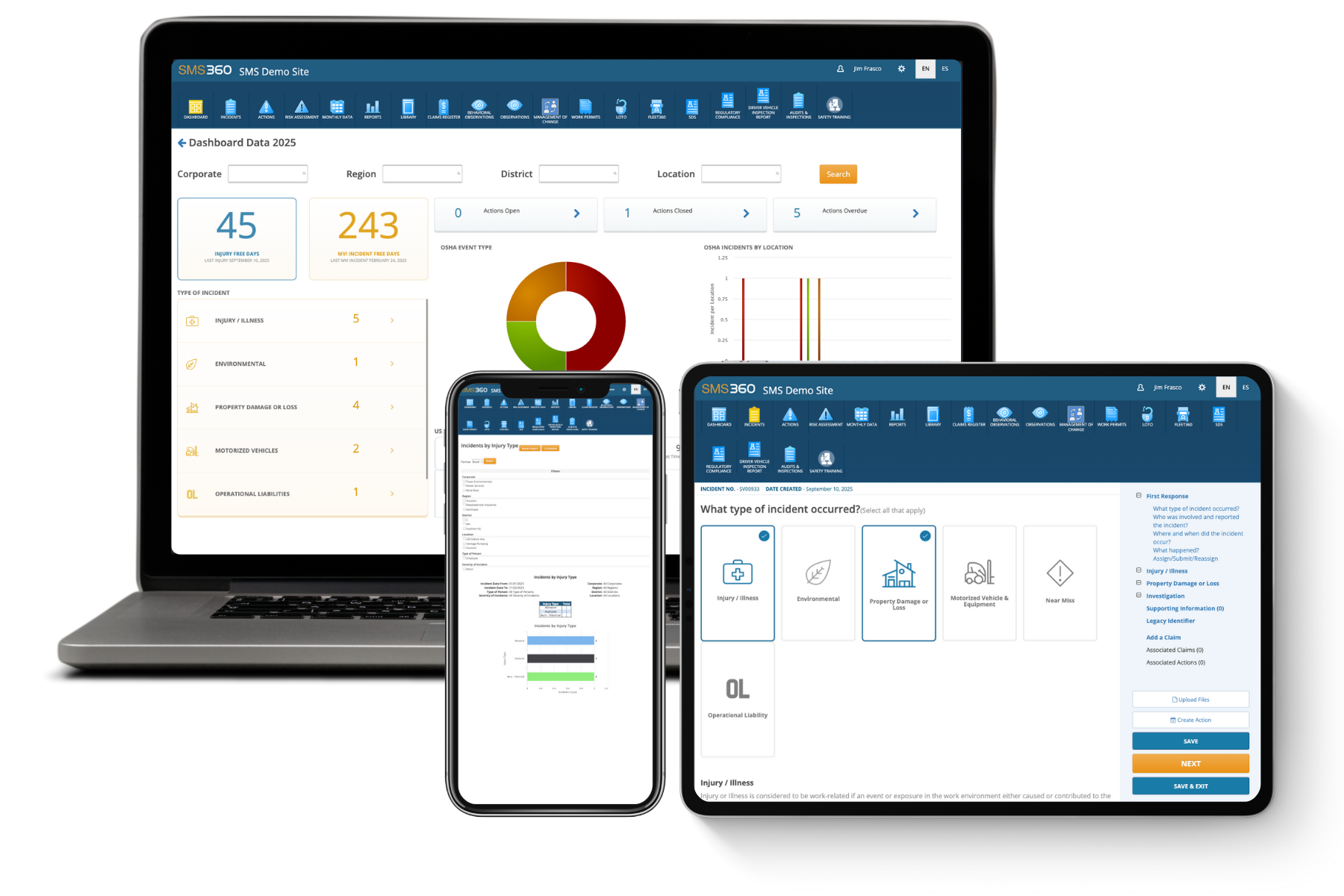
In today's fast-paced business environment, Safety Management Systems (SMS) play a crucial role in ensuring compliance with regulatory standards. These systems not only help organizations identify and mitigate risks, but they also pave the way for smoother compliance tracking and reporting processes. In this blog post, we'll explore how effective SMS contributes to better regulatory compliance and how integrated safety management strategies can enhance your organization’s safety culture.
The Role of Safety Management Systems in Compliance
Regulatory compliance is non-negotiable for businesses across industries. Non-compliance can lead to significant financial penalties, legal repercussions, and damage to your organization's reputation. Safety Management Systems help organizations navigate this complex landscape by providing structured frameworks for compliance management.
Here are some ways SMS contributes to regulatory compliance:
- Standardized Procedures: Safety management systems establish standardized safety procedures that align with regulatory requirements.
- Continuous Monitoring: These systems facilitate ongoing monitoring of safety practices, ensuring businesses remain compliant with evolving regulations.
- Documentation and Reporting: SMS streamline the documentation processes necessary for compliance reporting, making it easier to maintain records and demonstrate adherence to laws.
Integrated Safety Management: A Seamless Approach to Compliance
Integrated safety management goes beyond simple compliance; it fosters a culture of safety throughout the organization. By incorporating safety practices into daily operations, businesses can not only meet but exceed regulatory expectations.
Benefits of Integrated Safety Management
Consider the following benefits:
- Enhanced Communication: A fully integrated system encourages communication among departments, keeping everyone informed about safety protocols and compliance requirements.
- Improved Risk Assessment: By integrating safety management with operations, businesses can identify existing and potential risks, allowing for proactive measures rather than reactive solutions.
- Increased Employee Engagement: Employees are more likely to adhere to safety standards when they feel included in the compliance process and recognize its importance.
For example, a construction firm that implemented an integrated SMS saw a 30% reduction in workplace incidents. This not only enhanced their safety reputation but also led to significant cost savings in insurance premiums and regulatory fines.
Utilizing Compliance Tracking Tools in Your Safety Management System
Compliance tracking tools are essential components of effective SMS. They help organizations maintain oversight and accountability in safety practices.
Key Features of Effective Compliance Tracking Tools
When choosing compliance tracking tools, consider these features:
- User-Friendly Interface: Ensure that the tool is easy to use, as this encourages employees to engage with it regularly.
- Real-Time Reporting: Look for tools that provide instant updates on compliance status, allowing for timely adjustments to safety practices.
- Customizable Alerts: Set up alerts for regulatory updates or compliance deadlines to prevent fines and keep your organization ahead of the curve.
Many organizations have successfully integrated compliance tracking tools within their SMS. For instance, a manufacturing company adopted a tracking system that automatically generated compliance reports, saving managers hours of manual data entry and minimizing errors. This not only streamlined their processes but also improved overall compliance.
Creating a Culture of Compliance
Ultimately, the success of any Safety Management System hinges on creating a culture of compliance among all employees. Here are some key strategies:
- Training and Education: Regularly train employees on compliance requirements and the importance of safety within their roles.
- Leadership Support: Leaders should champion compliance initiatives, showing that safety is a priority for the organization.
- Positive Reinforcement: Recognize and celebrate compliance achievements within teams to motivate ongoing adherence to safety protocols.
When employees understand the risks associated with non-compliance, they become more invested in maintaining high safety standards. This results in a safer workplace and a more compliant organization overall.
As you consider implementing or enhancing your own Safety Management System, remember that integrating effective compliance tracking tools and fostering a culture of safety can set your organization apart in the competitive landscape. Explore SMS360’s safety and compliance software today to ensure your business is on the right path.
Frequently Asked Questions
What are Safety Management Systems?
Safety Management Systems are structured frameworks designed to help organizations identify, assess, and mitigate safety risks, contributing to overall compliance with regulatory standards.
How do Safety Management Systems improve workplace safety?
They enhance workplace safety by providing standardized procedures, ongoing monitoring, and effective training, ensuring that employees understand and adhere to compliance requirements.
What features should I look for in compliance tracking tools?
Look for user-friendly interfaces, real-time reporting capabilities, and customizable alerts to keep your safety management effective and compliant.