The Importance of Safety Data Sheets in Risk Management
Effective risk management hinges on understanding potential hazards within your operations. Safety Data Sheets (SDS) play a crucial role in this process. They serve as essential documents that communicate safety information about chemicals and hazardous materials used in various industries. The role of Safety Data Sheets management isn’t just about compliance; it’s about fostering a safe environment for employees and minimizing liability exposure.
Companies can often overlook the significance of proper SDS management. But did you know that having accurate and accessible SDS can mitigate risks and enhance workplace safety? In this post, we'll explore how SDS management software can streamline these processes and reinforce compliance management.
Understanding Safety Data Sheets and Their Functionality
At their core, Safety Data Sheets aim to provide critical safety information. These documents consist of 16 standardized sections, detailing everything from identifying hazards to recommended handling procedures. Here’s a brief overview:
- Identification: Product name, manufacturer, and contact information.
- Hazard Identification: Classification of the chemical and labeling requirements.
- Composition: Ingredients and their percentages.
- First-Aid Measures: Emergency procedures for exposure.
- Fire-Fighting Measures: Suitable extinguishing media.
- Accidental Release Measures: Steps to take in case of a spill.
- Handling and Storage: Recommendations to ensure safety.
- Exposure Controls: Limits and personal protective equipment (PPE) advice.
- Physical and Chemical Properties: Characteristics of the chemical.
- Stability and Reactivity: Conditions to avoid and hazards of decomposition.
- Toxicological Information: Routes of exposure and health effects.
- Ecological Information: Environmental impact.
- Disposal Considerations: Waste handling methods.
- Transport Information: Guidelines for shipping.
- Regulatory Information: Safety regulations related to the substance.
- Other Information: Additional data.
Each section serves a specific purpose to inform and guide employees in safe practices. By integrating SDS management software, organizations can efficiently manage and maintain these crucial documents, ensuring they’re up-to-date and accessible whenever necessary.
The Role of SDS Management Software in Enhancing Safety
In today’s fast-paced environment, relying on paper-based systems isn’t enough. This is where SDS management software comes into play.
Here’s how it enhances safety:
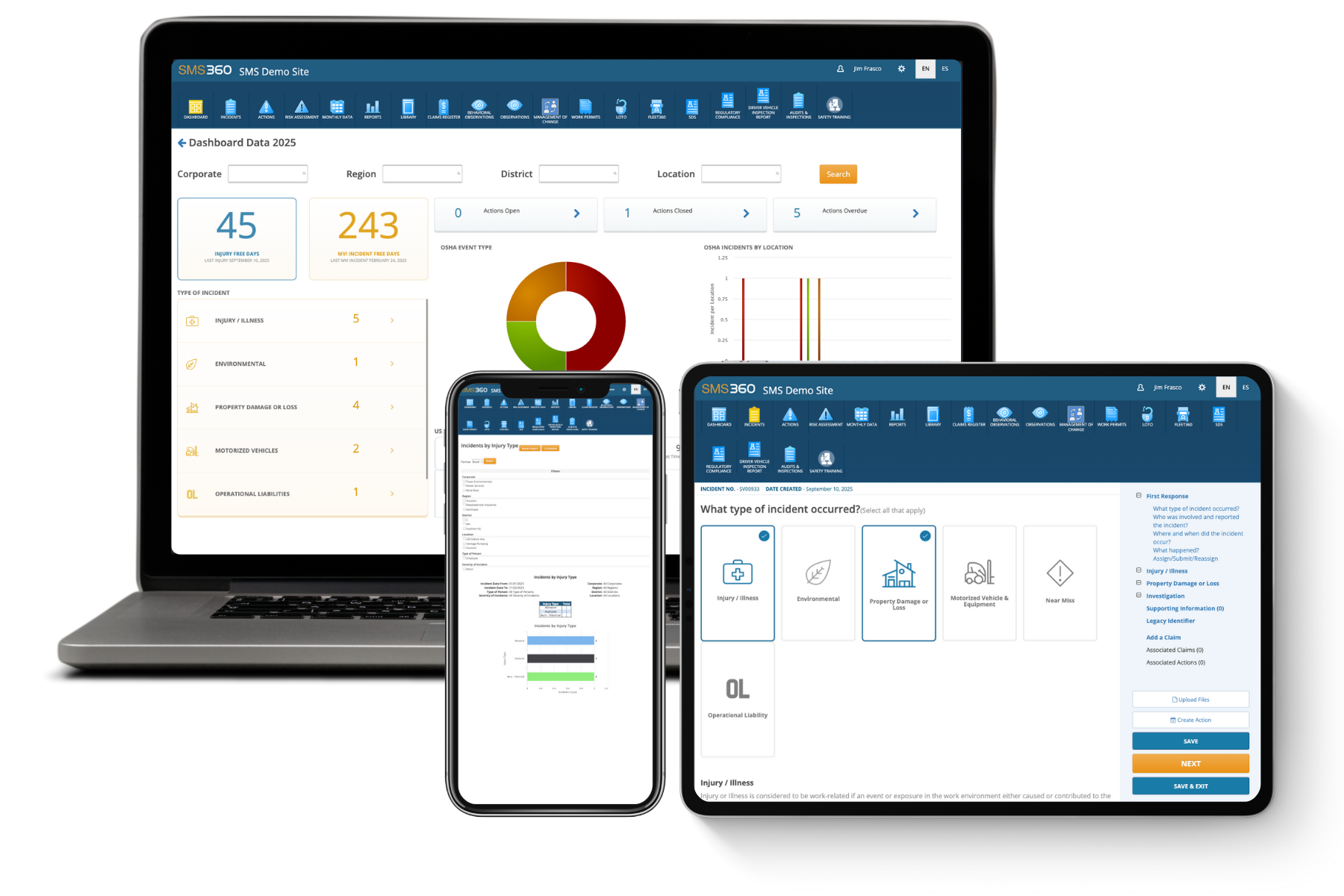
- Accessibility: All SDS documents are stored in a centralized, digital platform. Employees can quickly access them via mobile devices, ensuring safety protocols are followed in real time.
- Version Control: SDS management software tracks revisions, making sure employees have the most current information at their fingertips.
- Alerts and Notifications: Automated reminders for updates can be set, reducing the risk of missing important changes in safety protocols.
- Compliance Tracking: Software can generate reports required for compliance management, helping organizations stay within regulatory boundaries.
Imagine a manufacturing facility where a new chemical is introduced. With an effective SDS management approach in place, workers receive timely training on the substance's hazards, ensuring they’re prepared to handle any potential risks. This proactive stance can prevent accidents and save lives.
Integrating Compliance Management Software with SDS
Compliance is essential in any business, especially for organizations dealing with hazardous materials. Integrating compliance management software with your Safety Data Sheets can significantly streamline your operations.
Key benefits of this integration include:
- Unified Information: Centralized access to SDS and compliance documentation helps reduce confusion and improve clarity among staff.
- Fewer Penalties: Staying compliant means avoiding hefty fines. With documentation in order, businesses can focus on operations rather than worrying about audits.
- Accurate Training Materials: Real-time updates on SDS ensure that training materials reflect the latest safety standards.
Take, for example, a chemical manufacturing plant that combines SDS management with compliance software. They successfully reduce the chance of accidents and ensure that they meet all industry regulations. This comprehensive approach contributes to a healthier and more efficient workplace.
Incorporating a robust Safety Data Sheets management system is a game-changer for businesses looking to improve operational safety and compliance.
So, how do you get started? Explore SMS360’s safety and compliance software today. Our solutions integrate SMS management with compliance tools, driving safety and efficiency across your organization. Don’t wait until an incident occurs—act now to protect your workforce and your bottom line.
FAQ
Why are Safety Data Sheets important in the workplace?
Safety Data Sheets provide essential information regarding toxic substances and chemicals, ensuring employees know how to handle them safely.
What are the legal requirements for managing Safety Data Sheets?
Employers are required to maintain SDS for all hazardous substances on site, keeping them accessible to all employees and ensuring they’re up to date.
How can SMS360 help with compliance management?
SMS360 offers comprehensive compliance management software that integrates with SDS management, helping businesses maintain compliance and ensure safety.