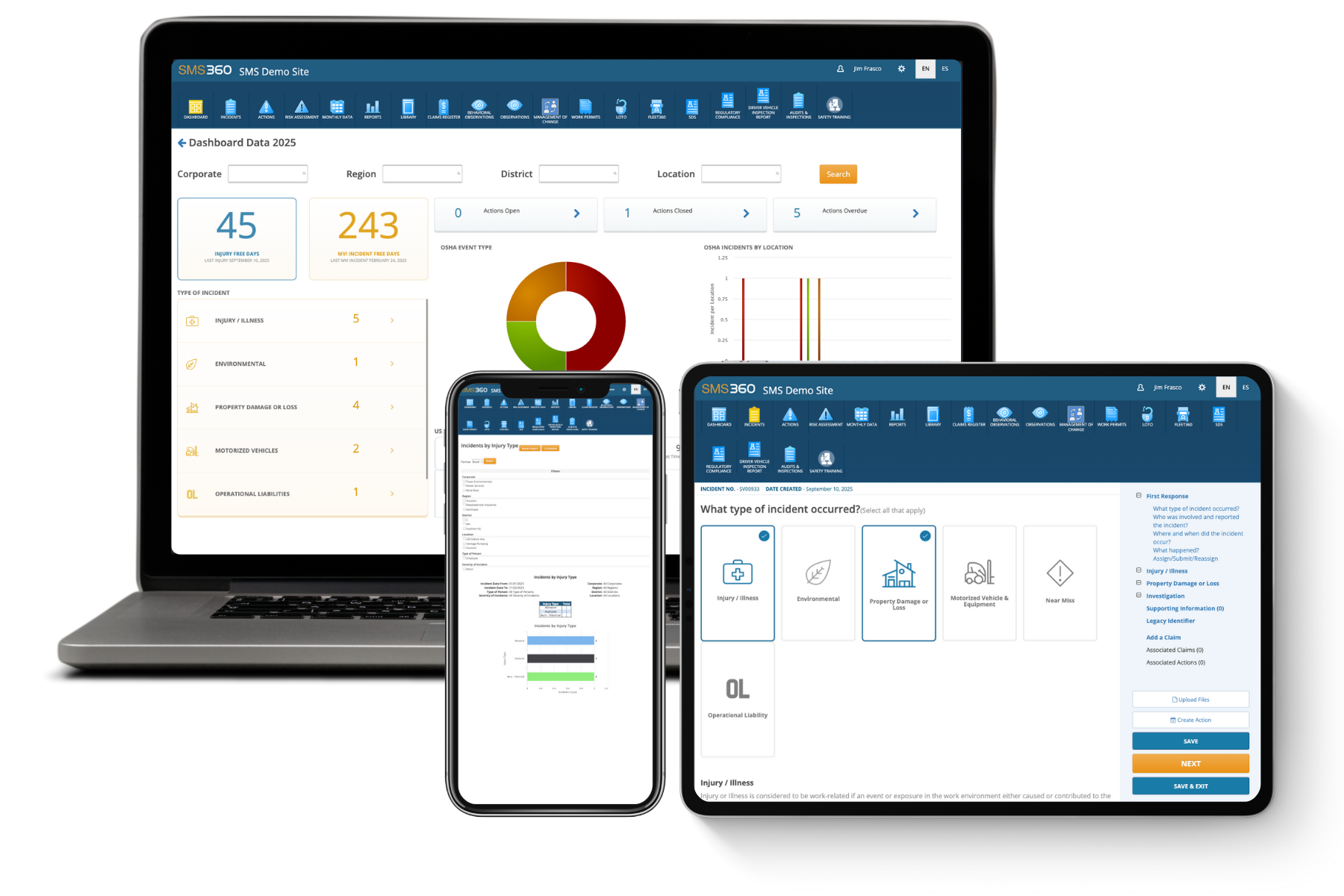
Integrated Safety Management Systems (ISMS) play a crucial role in reducing workplace risks and incidents. In today’s fast-paced work environment, organizations face various challenges in ensuring the safety of their employees while maintaining efficiency. The reality is, every workplace harbors risks — but with the right safety automation software, businesses can stay ahead of potential hazards.
Understanding the Importance of Integrated Safety Management Systems
ISMS are comprehensive frameworks that combine various safety management practices and technologies to streamline safety operations. The challenge many companies face is not just identifying risks but managing them effectively.
Here’s why ISMS are essential:
- Holistic Approach: Unlike traditional safety measures, ISMS encompass every aspect of safety management — from risk assessment to incident reporting.
- Data-Driven Decisions: By utilizing compliance management software, organizations can analyze data trends and make informed decisions about safety protocols.
- Increased Compliance: Effective ISMS help organizations to comply with local and international safety regulations efficiently.
How Safety Automation Software Enhances Risk Management
Incorporating safety automation software into your ISMS can greatly enhance your organization’s capacity to manage risks effectively. Here’s how:
Real-Time Monitoring
With automated safety tools, companies can monitor workplace environments in real-time. For example, construction sites can utilize drones to inspect equipment and ensure safety compliance from above.
Incident Reporting and Analysis
Imagine if your employees could report incidents via a simple mobile app. Safety automation software enables quick reporting and analysis of near misses or accidents, which leads to faster corrective actions. This not only helps in compliance but also builds a safety-focused culture among employees.
Continual Improvement
ISMS combined with automated solutions allow for continual improvement processes. Regular audits become easier, enabling businesses to adapt to new safety challenges proactively.
Case Studies: Real-Life Impact of Integrated Safety Management Systems
Let’s take a look at two compelling examples of how ISMS improved workplace safety:
- Manufacturing Company A: By implementing an integrated safety management system, this manufacturer reduced workplace incidents by 30% within the first year. They utilized safety automation software to streamline training and compliance management, ensuring all employees understood safety protocols.
- Construction Firm B: A large construction firm incorporated a compliance management software that flagged safety violations in real-time. As a result, they saw a 50% decline in safety-related incidents, ultimately saving thousands in potential fines and damages.
These examples demonstrate that investing in integrated safety management systems can yield significant returns in safety and compliance.
Each organization is unique, and while the specifics may change, the underlying principle remains the same: effective safety management reduces risk.
The Future of Workplace Safety with ISMS
As technology evolves, so do ISMS. The integration of Artificial Intelligence (AI) and Machine Learning (ML) into safety automation software is on the rise. These technologies can process vast amounts of data, identifying patterns and predicting potential incidents before they occur.
Organizations that embrace these advancements not only enhance their safety measures but also become leaders in workplace safety standards.
Engaging with employees through these systems fosters a culture of safety awareness, where every team member feels accountable.
If you’re looking to enhance your organization’s safety measures, it’s time to explore SMS360’s safety and compliance software. With our solutions, you can start building a safer workplace today.
Frequently Asked Questions
What are Integrated Safety Management Systems?
Integrated Safety Management Systems are comprehensive frameworks that manage workplace safety, combining various safety management practices with technologies to streamline operations and reduce risks.
How can Safety Automation Software help in compliance?
Safety automation software improves compliance by providing tools for real-time monitoring, incident reporting, and analysis, ensuring organizations adhere to safety regulations effectively.
What are some benefits of Compliance Management Software?
Benefits of compliance management software include improved data management, risk assessment capabilities, and easier access to regulatory requirements, ultimately enhancing compliance and safety management.
Explore how integrated safety management systems can revolutionize your approach to risk reduction and compliance.