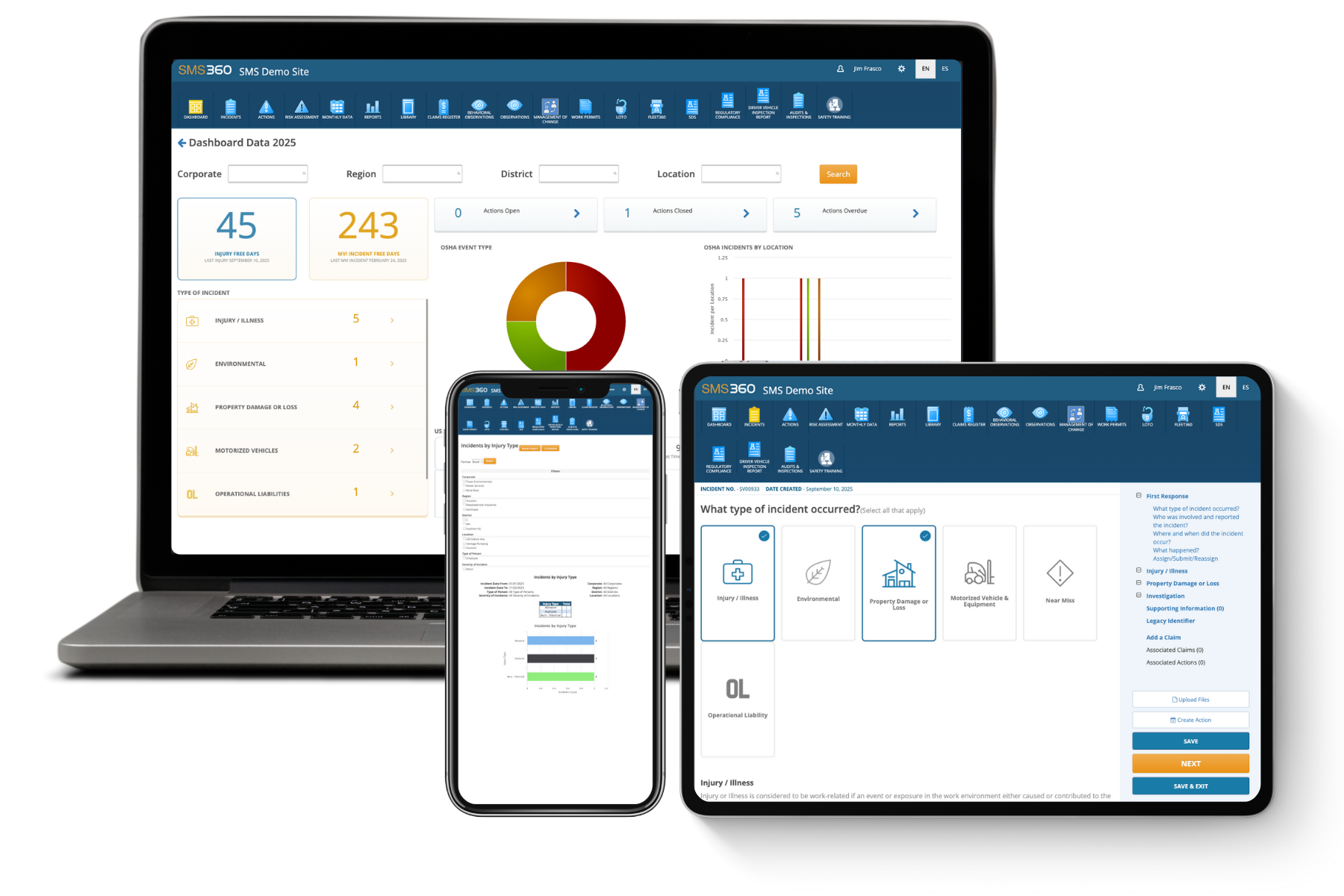
Efficiency and cost reduction are priorities for every organization. One area particularly ripe for improvement is claims management, especially in safety management contexts. Statistics show that incidents can cost companies anywhere from thousands to millions of dollars when accounting for lost productivity, legal fees, and compensation. Therefore, implementing claims management software has become crucial for many organizations. This post dives into how such software can effectively lower incident costs, providing substantial benefits to safety directors and their teams.
Understanding Claims Management Software
Claims management software is a tool designed to simplify how organizations handle claims related to incidents, accidents, or losses. This centralized platform allows teams to track, manage, and analyze claims data efficiently. By automating many elements of the claims process, this software minimizes human errors and improves overall workflow.
By integrating claims management software into safety management, organizations can achieve a holistic overview of incidents. For instance, a company that has adopted such software saw a 30% reduction in processing time for claims, which directly contributes to lowering incident costs.
Streamlining the Claims Process
Claims management software excels at optimizing the claims process. Traditional methods often include tedious steps, such as data collection, documentation, and communication with various stakeholders, all of which can delay resolutions.
Using claims management software allows organizations to automate these tedious tasks. For example, data entry can be quickly done using templates, cutting down the time spent on manual input and minimizing potential mistakes. Automated notifications keep all parties informed about a claim's status, leading to quicker responses and reduced delays.
This streamlining can lead to significant savings. Organizations report freeing up up to 20% of their claims management time through automation, allowing personnel to focus more on safety improvements rather than paperwork.
Enhancing Data Accuracy and Reporting
Quality data is vital when managing claims effectively. Claims management software provides tools for capturing and analyzing incident-related data, letting safety directors recognize trends and patterns. This data-driven approach equips organizations to make informed decisions about safety and risk management.
The software typically includes robust reporting features as well. Safety directors can generate comprehensive reports that focus on claims performance. For example, a report might reveal that 40% of claims come from slip-and-fall incidents, which indicates an area needing enhanced training or safety measures. By utilizing accurate data and detailed reporting, organizations can implement effective strategies that help them mitigate risk and reduce incident expenses.
Improving Communication and Collaboration
Clear communication is critical for managing claims effectively. Claims management software promotes better collaboration among all stakeholders, including safety directors, insurance agents, and employees.
By utilizing a centralized platform, all parties can access relevant information in real-time, minimizing the chances of miscommunication. This improved collaboration ensures a quicker resolution of issues, which cuts down costs tied to prolonged claims management.
Additionally, the software offers a comprehensive audit trail of all communications, which is essential during disputes or audits. This transparency creates accountability and helps pinpoint areas for improvement within the claims process.
Identifying and Mitigating Risks
A key advantage of claims management software is its ability to help organizations pinpoint and address risks. By analyzing claims data, safety directors can identify recurring issues that may signal deeper problems within the organization.
For example, if a specific type of incident, like machinery accidents, is reported frequently, it may indicate that staff requires further training or updated safety protocols. Addressing these concerns proactively can lead to a significant decrease in future incidents, thereby reducing associated costs.
Many claims management solutions also feature predictive analytics capabilities. These tools enable organizations to anticipate potential risks and take preventive actions, bolstering their safety management efforts and minimizing future claims.
Cost-Benefit Analysis of Claims Management Software
Investing in claims management software might initially seem like an additional expense, but its long-term benefits usually outweigh the upfront costs. Organizations have found that improved efficiency and risk mitigation can result in a substantial decrease in incident costs over time.
Safety directors can conduct a cost-benefit analysis to assess the potential return on investment (ROI) when implementing this software. Important factors include the reduced time required for claims processing and the decrease in administrative overhead. Furthermore, organizations often see a drop in insurance premiums due to better safety record management.
Ultimately, the right claims management software becomes an essential component of an organization's safety management strategy, leading to improved operational efficiency and significant cost reductions.
Final Thoughts
Claims management software is vital for reducing incident costs within organizations. By optimizing the claims process, ensuring data accuracy, improving communication, and identifying risks, safety directors can enhance their safety management practices.
As companies continue to face the challenges of incident management, investing in claims management software is not only a smart move; it's a crucial step toward operational efficiency and cost savings. By leveraging this technology, safety directors can better prepare their organizations to manage incidents, creating a safer and more economically sustainable workplace.