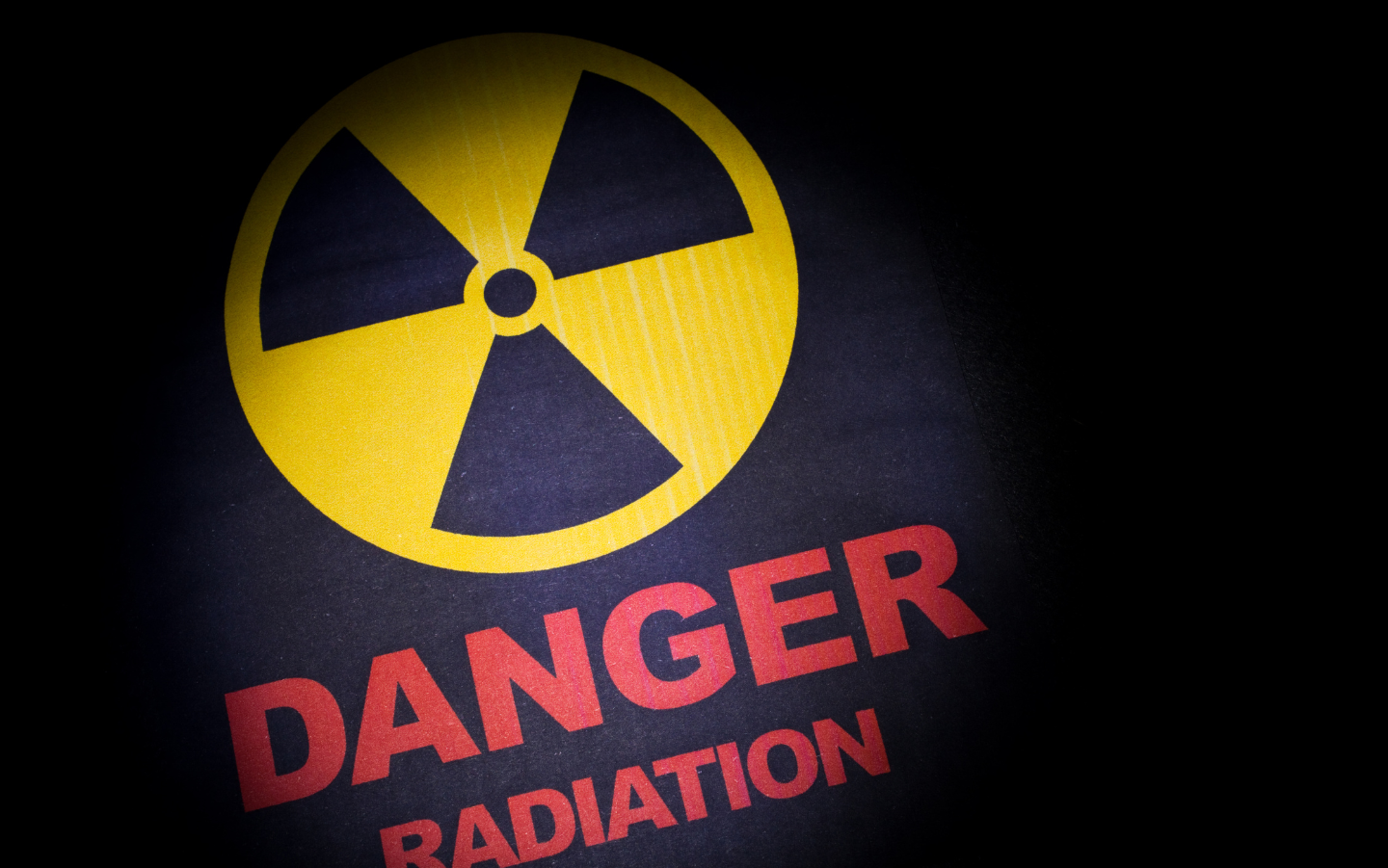
Radiation exposure represents a serious occupational hazard in healthcare facilities, industrial settings, research laboratories, nuclear power plants, and other environments where workers encounter radioactive materials or radiation-generating equipment. Radiation exposure can cause acute health effects like radiation sickness and burns, and chronic effects including cancer, genetic damage, and shortened lifespan. Unlike many occupational hazards that create immediate obvious injury, radiation damage often occurs silently at the cellular level, making radiation hazards particularly insidious and requiring proactive protection measures.
Workers in radiation environments often underestimate exposure risk because radiation is invisible and its effects may not be apparent for years or decades. An employee in a medical imaging department might not feel different after a day of exposure, yet cumulative radiation exposure over a career can significantly increase cancer risk. Understanding radiation hazards, proper protection methods, regulatory requirements, and safe work practices is essential for any worker or organization in radiation environments.
Understanding Radiation Types and Hazards
Radiation exists in two primary categories ionizing and non-ionizing. Ionizing radiation includes alpha particles, beta particles, gamma rays, and X-rays. These types of radiation carry sufficient energy to remove electrons from atoms, creating charged ions that can damage DNA and cellular structures. This ionization is the mechanism through which ionizing radiation causes health effects.
Alpha particles are emitted from radioactive materials and are relatively heavy and slow. They can be stopped by paper or skin and do not penetrate deeply into tissue. However, if alpha-emitting materials are inhaled or ingested, they cause significant internal damage because they deposit energy in a small area of tissue.
Beta particles are smaller and faster than alpha particles and can penetrate skin and several centimeters into tissue. They require shielding like plastic or metal to stop them. Beta particles can cause skin burns and deeper tissue damage depending on exposure intensity.
Gamma rays are electromagnetic radiation similar to X-rays but originating from radioactive decay. Gamma rays penetrate deeply through tissue and require substantial shielding like lead or concrete to stop them. Gamma rays are the most penetrating form of radiation and require the most protective measures.
X-rays are artificially produced radiation used in medical imaging, industrial inspection, and research. X-rays have similar penetrating power to gamma rays and require similar shielding.
Non-ionizing radiation includes ultraviolet radiation, visible light, infrared radiation, microwave radiation, and radiofrequency radiation. While non-ionizing radiation doesn't directly ionize atoms, intense or prolonged exposure can cause heating and tissue damage. Ultraviolet radiation damages skin and eyes. Microwave and radiofrequency radiation can cause heating of tissue and burns.
Health Effects of Radiation Exposure
Acute radiation exposure at high doses causes acute radiation sickness with symptoms including nausea, vomiting, diarrhea, hair loss, and immune system damage. Doses exceeding 6-8 Gray are usually fatal. Lower acute doses cause temporary illness with recovery possible if medical care is provided.
Chronic effects from lower-dose radiation exposure occur over years or decades. Cancer risk increases with cumulative radiation dose. Different cancer types can result from radiation exposure including leukemia, breast cancer, lung cancer, and thyroid cancer. Risk increases proportionally with radiation dose and age at exposure.
Genetic effects can occur if radiation damages reproductive cells. Offspring of exposed individuals might experience genetic damage and health problems. This represents a particular concern for workers of reproductive age.
Cataracts can develop in eyes exposed to radiation. Cataracts cause progressive cloudiness of the lens and can lead to blindness if untreated.
The concept of radiation dose is critical to understanding health risk. Dose is measured in Gray or Sievert, with Sievert accounting for the relative biological effectiveness of different radiation types. Dose rate (dose received per unit time) is also important because dose received over an extended period allows cellular repair mechanisms to function, while the same dose received acutely causes more damage.
Radiation Protection Principles
The fundamental principle of radiation protection is ALARA, which stands for As Low As Reasonably Achievable. ALARA means that radiation dose should be minimized to levels as low as reasonably achievable considering practical and economic factors. This principle requires that every effort be made to reduce exposure without making work impractical or prohibitively expensive.
Three primary methods reduce radiation exposure time, distance, and shielding. Minimizing time of exposure reduces total dose received. A worker who spends two hours working with a radiation source receives twice the dose of a worker spending one hour doing the same task. Scheduling work efficiently and practicing procedures before working with radiation reduces unnecessary time exposure.
Increasing distance from radiation sources dramatically reduces exposure because radiation intensity decreases according to the inverse square law. Doubling distance from a radiation source reduces exposure to one-quarter. Using remote handling equipment, maintaining maximum distance from sources, and working behind shielding all increase distance and reduce exposure.
Shielding materials absorb radiation and reduce exposure. Different materials shield different radiation types. Lead effectively shields X-rays and gamma rays. Concrete is used for shielding nuclear reactors. Plastic or acrylic shields beta radiation. Distance combined with appropriate shielding provides comprehensive protection.
Personal Protective Equipment for Radiation Work
Personal protective equipment for radiation work includes lead aprons, thyroid shields, protective glasses, gloves, and sometimes full-body protective garments. Lead aprons worn during fluoroscopic or interventional radiology procedures protect the torso from scattered radiation. Thyroid shields protect the thyroid gland, which is particularly radiosensitive.
Protective glasses with lead lenses protect eyes from radiation exposure. Gloves protect hands during handling of radioactive materials or during procedures with radiation exposure.
It's important to recognize that PPE is typically a secondary protection method in radiation environments. Engineering controls and administrative controls that minimize exposure are primary methods. PPE is used when engineering and administrative controls are insufficient to achieve ALARA exposure levels.
Regulatory Requirements and Compliance
The Nuclear Regulatory Commission regulates radioactive materials in medical, industrial, and research settings. The Occupational Safety and Health Administration regulates occupational radiation exposure through incorporation of NRC standards. Different exposure limits apply to different worker categories.
Occupational dose limits for adult radiation workers are typically 5,000 millirem per year for whole body exposure. This limit ensures that occupational radiation exposure, even at maximum allowed levels, carries only modest additional cancer risk compared to natural background radiation exposure.
Pregnant workers have lower dose limits because fetal tissue is particularly radiosensitive. Declared pregnant radiation workers typically have a 500 millirem limit for the pregnancy period to limit fetal exposure.
Members of the public have much lower dose limits, typically 100 millirem per year, to protect people not occupationally exposed to radiation. This ensures that occupational radiation activities don't significantly increase public exposure.
Medical facilities must have radiation safety officers who oversee compliance with radiation regulations and ensure safe practices. Radiation safety officers conduct exposure surveys, review work procedures for radiation safety, and ensure that radiation dose limits are not exceeded.
Monitoring and Dosimetry
Radiation exposure is monitored through dosimetry, which measures the radiation dose received. Personal dosimeters worn by radiation workers measure their individual exposure. Common dosimeters include film badges, thermoluminescent dosimeters, and electronic personal dosimeters.
Film badges change color or density when exposed to radiation in proportion to dose received. The badge is processed and the dose is calculated. Film badges provide a permanent record of exposure and are inexpensive.
Thermoluminescent dosimeters contain crystals that store radiation energy and release it as light when heated. The light is measured and dose is calculated. These dosimeters are reusable and provide accurate dose measurement.
Electronic personal dosimeters provide real-time dose rate and cumulative dose display. These devices alert workers immediately if dose rates exceed preset limits, providing active warning during exposure.
Area radiation surveys measure radiation levels in specific locations. Survey instruments detect radiation and measure dose rates in areas. Surveys identify where radiation levels are elevated and where additional shielding or administrative controls are needed.
Safe Work Practices in Radiation Environments
Safe work practices in radiation environments include planning procedures to minimize time in radiation fields. Before working with radiation sources, workers should review procedures, gather materials, and practice with non-radioactive items when possible. This planning reduces the time required in radiation fields during actual work.
Appropriate shielding should be positioned between workers and radiation sources. Shielding should be adequate for the radiation type and intensity. Workers should position themselves to maximize distance from sources while still maintaining ability to perform work.
Contamination control prevents spread of radioactive materials. Designated work areas, protective covering, and waste containment prevent contamination from spreading beyond controlled areas. Workers should change protective clothing before leaving radiation areas to prevent carrying radioactive materials outside the area.
Proper handling of radioactive materials prevents exposure and contamination. Materials should be handled with remote tools when practical, kept in designated containers, and never eaten, drunk, or smoked with near radioactive materials. Good hygiene practices including hand washing after handling materials and before eating prevents unintended ingestion.
Pregnancy and Radiation Exposure
Pregnant workers and workers planning pregnancy deserve special consideration in radiation environments. The fetus is particularly radiosensitive, especially during early pregnancy when organ development occurs. Radiation exposure to the fetus carries risk of developmental damage and increased childhood cancer risk.
Pregnant workers should be counseled about radiation exposure risks and should have the opportunity to modify their work assignments to reduce exposure. Dose limits for declared pregnant workers are typically 500 millirem for the pregnancy period, substantially lower than the standard 5,000 millirem occupational limit.
Workers planning pregnancy should consider timing of exposure to radiation. While a single occupational radiation dose is unlikely to cause fetal damage if conception occurs after the dose, this requires careful consideration of individual circumstances.
Training and Competency
Workers in radiation environments must receive training on radiation hazards, protection methods, regulatory requirements, and safe work practices. Training must be comprehensive and documented. New workers require initial training before beginning work with radiation. Ongoing training ensures that workers maintain competency and stay current with safety practices and regulatory requirements changes.
Supervisors and managers in radiation environments require training on their responsibilities for radiation safety oversight. Radiation safety officers require specialized training and certification appropriate for their role.
Competency must be verified through testing or practical demonstration. Workers should demonstrate understanding of hazards and ability to apply safety practices before working independently with radiation sources.
Radioactive Waste Management
Radioactive waste management is a critical safety component in radiation environments. Radioactive materials have half-lives ranging from seconds to billions of years, and all radioactive waste must be managed appropriately until it decays to safe levels or is properly disposed of.
Radioactive waste should be segregated by type and decay rate. Short-lived isotopes can be stored and allowed to decay before disposal as regular waste. Long-lived isotopes require permanent disposal through licensed waste disposal services. Waste should be properly contained and labeled to prevent exposure and contamination.
Workers handling radioactive waste require training on proper handling procedures. Waste should never be placed in regular trash or wastewater systems. Violations of radioactive waste disposal regulations carry significant regulatory penalties.
Emergency Response in Radiation Incidents
Radiation facilities should have emergency response plans addressing potential radiation incidents including spills, uncontrolled exposures, or equipment failures. Emergency plans should specify evacuation procedures, communication protocols, first aid for exposed individuals, and decontamination procedures.
Radiation spills require immediate response to contain the spill and prevent spread. Response procedures depend on the radioactive material, volume spilled, and location. Small spills in controlled areas might be contained and cleaned with appropriate precautions. Large spills or spills in uncontrolled areas might require evacuation and professional response.
Worker contamination from radioactive materials requires decontamination to remove radioactive materials from skin and clothing. Decontamination is typically accomplished through thorough washing with soap and water. Contaminated clothing should be removed and retained for monitoring and proper disposal.
Exposed workers might require medical evaluation to assess dose received and determine whether medical monitoring or treatment is necessary. Exposure to very high doses might require treatment at specialized medical facilities equipped to manage radiation exposure.
Frequently Asked Questions About Radiation Safety
What's the difference between acute radiation exposure and chronic radiation exposure and how does each affect health?
Acute radiation exposure occurs when a worker receives a large dose of radiation in a short period of time, typically from an accident or incident. Acute exposure at high doses causes acute radiation sickness with symptoms appearing within hours including nausea, vomiting, diarrhea, and immune system damage. Very high acute doses can be fatal.
Chronic radiation exposure occurs when a worker receives radiation dose gradually over months or years through occupational exposure. Chronic exposure at occupational dose limits causes no immediate symptoms or acute illness. However, chronic exposure increases cancer risk, shortens lifespan, and can cause genetic damage.
The key difference is that acute high-dose exposure causes immediate obvious illness, while chronic lower-dose exposure causes no immediate effects but increases disease risk over time. This makes chronic exposure particularly insidious because workers don't immediately recognize the damage occurring.
The biological response to acute versus chronic exposure differs because cells have time to repair damage from chronic exposure. A dose received over a year allows cellular repair mechanisms to function between exposure periods. The same dose received acutely gives repair mechanisms no time to function, causing more severe damage.
Regulatory dose limits are based on chronic occupational exposure assumptions. A worker can receive up to 5,000 millirem annually without exceeding occupational limits, assuming the dose is spread throughout the year. The actual risk from occupational radiation exposure, even at maximum allowed levels, is modest relative to other occupational hazards.
How much radiation exposure is actually dangerous and what's considered a safe exposure level?
There is no truly safe radiation exposure level above background radiation. Any radiation exposure carries some cancer risk, though the risk at low doses is very small. Regulatory dose limits are based on acceptable risk levels, not zero-risk levels.
Annual occupational dose limits of 5,000 millirem are set at levels where the cancer risk from occupational radiation exposure is comparable to risks from other occupations. A radiation worker at the annual limit receives cancer risk increase of roughly 1 per 1,000 workers per year, which is considered an acceptable occupational risk.
Natural background radiation exposes everyone to roughly 300-400 millirem annually from cosmic radiation, terrestrial radiation, and internal radiation from food and water. Occupational radiation dose limits are set to keep occupational exposure comparable to or lower than background exposure.
Single acute doses below 100 millirem typically cause no observable health effects. Doses between 100-200 millirem cause mild temporary health effects. Doses above 1,000 millirem cause acute radiation sickness. Doses above 6,000-8,000 millirem are typically fatal.
The concept of ALARA (As Low As Reasonably Achievable) reflects the principle that no exposure is truly safe and exposure should be minimized even below regulatory limits. An organization might maintain average worker exposure at 1,000-2,000 millirem annually, well below the 5,000 millirem limit, through rigorous application of ALARA principles.
What personal protective equipment is most important for radiation protection and can PPE prevent all radiation exposure?
Different PPE protects against different radiation types. Lead aprons effectively protect against X-rays and gamma rays by absorbing the radiation. A typical lead apron reduces radiation exposure by roughly 90% for the protected area. However, lead aprons don't protect unshielded areas like neck, head, and legs.
Thyroid shields protect the thyroid gland, which is particularly radiosensitive. The thyroid absorbs radioactive iodine if present and is at higher risk for thyroid cancer than other organs. Thyroid shields significantly reduce thyroid exposure.
Protective glasses with lead lenses protect eyes from radiation. Eyes are sensitive to radiation and cataracts can develop from chronic exposure. Protective eyewear is essential for workers with frequent eye exposure to radiation.
Gloves and protective clothing protect skin and prevent contamination of personal clothing and skin with radioactive materials. However, protection against penetrating radiation like gamma rays requires substantial shielding that PPE alone cannot provide.
PPE is generally the last line of defense in radiation protection, after engineering controls and administrative controls have minimized exposure. Engineering controls like shielding and distance are far more effective than PPE at reducing exposure. Administrative controls like minimizing time in radiation fields and using remote handling equipment are also more effective than PPE.
A worker relying entirely on PPE without adequate engineering and administrative controls receives excessive exposure. Effective radiation protection combines all three methods with emphasis on engineering and administrative controls.
Should workers who are pregnant avoid radiation exposure entirely or can they work in radiation environments with modifications?
Pregnant workers can continue working in radiation environments with appropriate modifications to minimize fetal exposure. Completely avoiding radiation environments might not be practical or necessary.
Fetal radiation exposure risk depends on dose received and stage of pregnancy. During early pregnancy when organs are developing, the fetus is most radiosensitive. Even small doses during this period carry elevated risk of developmental damage and childhood cancer.
Pregnant workers who continue working in radiation environments should have dose limits lowered. Standard practice is limiting declared pregnant worker exposure to 500 millirem for the pregnancy period, about 10% of standard occupational limits. This limit reflects the increased radiosensitivity of the fetus.
Pregnant workers should be counseled about radiation exposure risks and should understand that continuing work in radiation environments carries some risk. The decision should be made collaboratively with healthcare providers and the employer.
Some pregnant workers choose to modify their work assignments to reduce radiation exposure. For example, a pregnant radiologist might reduce the number of fluoroscopic procedures performed or might increase reliance on staff to perform exposure-intensive tasks. Other pregnant workers might continue standard duties knowing that dose limits are reduced and exposure is being carefully monitored.
The critical point is that the decision should be informed and voluntary, and that dose should be carefully controlled through ALARA principles when pregnant workers continue working with radiation.
How do I know if I'm receiving too much radiation exposure and what should I do if my dosimetry results show high exposure?
Personal dosimetry results are provided regularly, typically monthly or quarterly, showing cumulative dose received. If cumulative dose approaches or exceeds regulatory limits, you should immediately report this to your radiation safety officer.
Warning signs of elevated exposure might include frequent dosimetry results showing significant dose, particularly if dose is increasing over time. A worker whose monthly dosimetry shows 500 millirem is receiving high dose. Over a year this would approach or exceed occupational limits.
If dosimetry results show elevated exposure, work practices should be evaluated and modified. Time in radiation fields should be minimized, distance from sources should be increased, shielding should be enhanced, or work assignments might be modified to reduce exposure.
Sometimes elevated dosimetry results indicate a problem with the dosimeter rather than actual high exposure. If results seem inconsistent with actual work performed, the dosimeter might be damaged or malfunctioning. This should be reported to the radiation safety officer immediately.
Extremely high single exposures might result from equipment failure or incident. These require immediate investigation and medical evaluation. Healthcare facilities have protocols for managing exposure incidents including medical monitoring and reporting to regulatory agencies.
If repeated dosimetry results show that you're approaching dose limits, discuss with your supervisor and radiation safety officer about modifying your work to reduce exposure. You have the right to understand your exposure and to request modifications that reduce exposure to ALARA levels.