Understanding Risk Management Strategies in High-Risk Environments
In high-risk environments, effective risk management strategies are essential for ensuring safety and compliance. Whether you're operating in construction, manufacturing, or healthcare, identifying and mitigating risks is crucial. Many organizations struggle with effectively managing risks, which can result in financial losses, safety incidents, and even legal consequences.
To tackle these challenges head-on, businesses need to employ a robust approach to risk management. This involves implementing effective tools and strategies that streamline operations while enhancing safety. Below, we will explore several key methods to optimize risk management in high-risk settings, focusing on the integration of risk assessment software and a comprehensive safety management system.
Key Risk Management Strategies for High-Risk Environments
1. Comprehensive Risk Assessment
Before managing risks, you must first understand them. A thorough risk assessment is the foundation of any successful risk management program.
- Identify potential hazards that can impact your operations.
- Evaluate the likelihood and impact of each hazard.
- Develop a plan for addressing each identified risk.
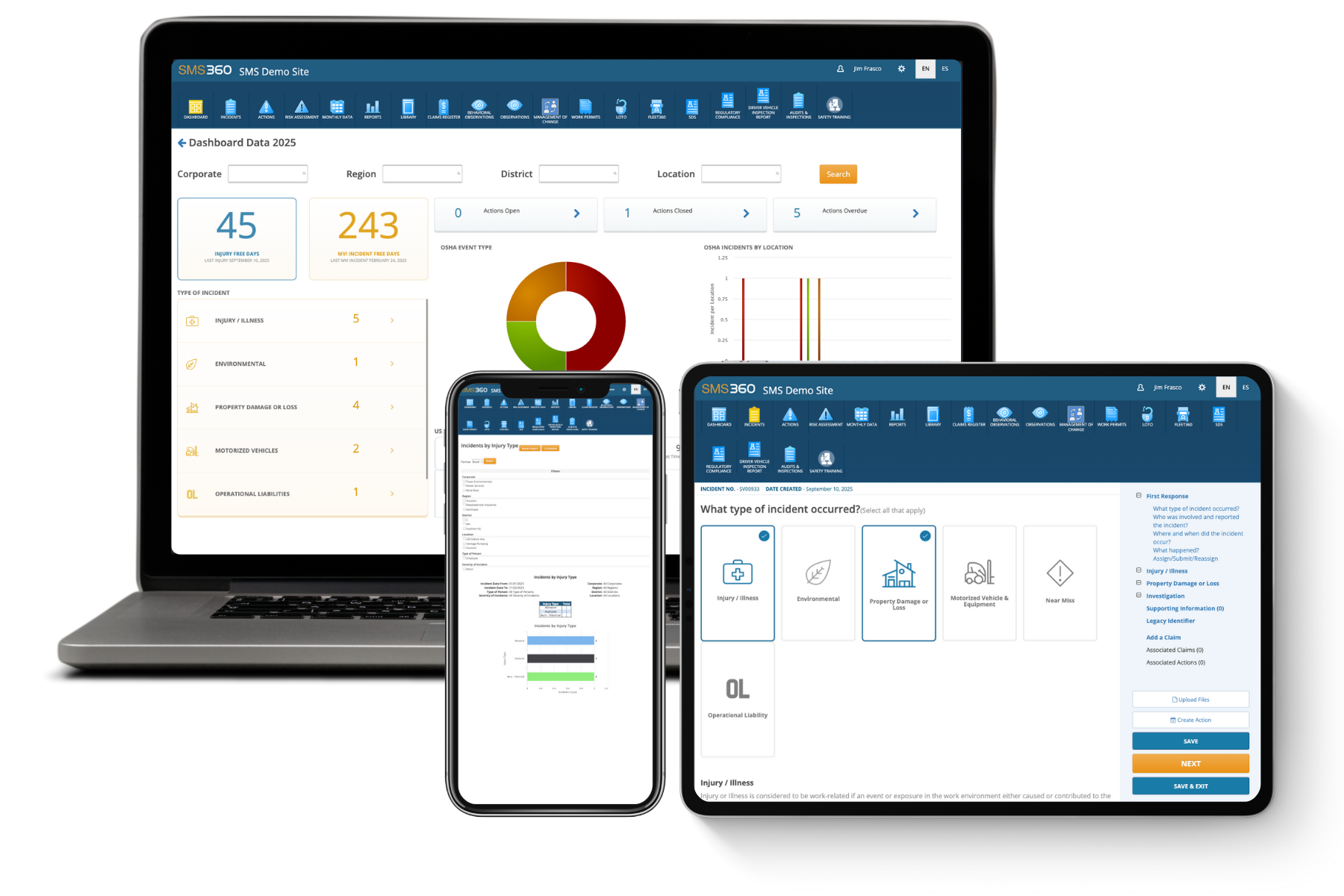
For example, in the construction industry, risks such as falls or equipment mishaps can be assessed using advanced risk assessment software. This software can help you document, track, and analyze data over time, making it easier to recognize patterns and mitigate risks before they escalate.
2. Implementing a Safety Management System
Once you know what risks exist, implementing a strong safety management system is crucial. A safety management system can help streamline your processes and foster a culture of safety across your organization.
- Create clear safety policies and procedures.
- Conduct regular training sessions to keep employees informed of best practices.
- Utilize technology to monitor compliance and track incident reports.
Consider a company that introduced a safety management system that included weekly safety meetings and regular equipment inspections. They saw a remarkable decline in incidents, as employees felt more empowered to prioritize safe practices.
3. Foster a Culture of Safety and Compliance
Having a safety management system in place is only half the battle; fostering a culture of safety is equally important. Employees need to feel responsible for their safety and that of their colleagues.
- Encourage open communication about safety concerns.
- Reward safe behaviors and proactive approaches to risk management.
- Set an example at the management level—lead by showing commitment to safety.
For instance, a manufacturing plant introduced an employee recognition program for those who identified potential hazards. This encouraged workers to be vigilant and proactive, effectively reducing accidents and fostering teamwork around safety initiatives.
Leveraging Technology in Risk Management Strategies
Utilizing Risk Assessment Software
The role of risk assessment software in optimizing risk management cannot be overstated. This technology provides organizations with tools to assess risks systematically and continually. Key benefits include:
- Automated reporting to highlight and track risks over time.
- Data analysis tools to identify trends and areas for improvement.
- Real-time alerts to notify teams of new threats or compliance issues.
Integrating software solutions helps ensure that teams are informed and equipped to make data-driven decisions regarding risk management.
Integrating Safety Management Systems with Other Tools
A comprehensive safety management system should not function in isolation. For maximum impact, integrate it with other essential business tools:
- Project management software to monitor safety tasks alongside project timelines.
- HR systems to track employee safety training and compliance.
- Environmental monitoring systems to assess workplace conditions in real time.
This interconnected approach will help your team stay on top of safety requirements while enhancing overall operational efficiency.
Measure and Improve: The Ongoing Cycle
The key to sustaining a strong risk management strategy is measurement and improvement. Regular audits and assessments will allow your organization to identify what is working and what needs adjustment.
- Conduct regular audits of your safety management system.
- Gather feedback from team members regarding safety processes.
- Analyze incident reports to identify trends and emerging risks.
For example, a healthcare facility implemented quarterly audits of their risk management strategies. They found that incorporating staff feedback led to significant improvements in their safety procedures and reduced incidents.
In a field as dynamic as high-risk environments, optimization is key. Utilize available technologies, engage your team, and keep refining your approach to risk management.
Now that you have a sound understanding of how to optimize your risk management strategies in high-risk environments, it’s time to take action.
If you’re looking to enhance your organization’s risk management practices, explore SMS360’s comprehensive safety and compliance software. Let's transform safety together with effective risk management strategies.
FAQs
What are some common risks found in high-risk environments?
Common risks include equipment failures, hazardous material exposure, falls, and vehicle accidents, depending on the industry.
How often should I conduct risk assessments in my organization?
It's advisable to conduct risk assessments at least annually or whenever there is a significant change in operations or after an incident.
How can SMS360 assist in enhancing workplace safety?
SMS360 offers advanced safety and compliance software designed to streamline risk management processes, ensure legal compliance, and promote a culture of safety within your organization.