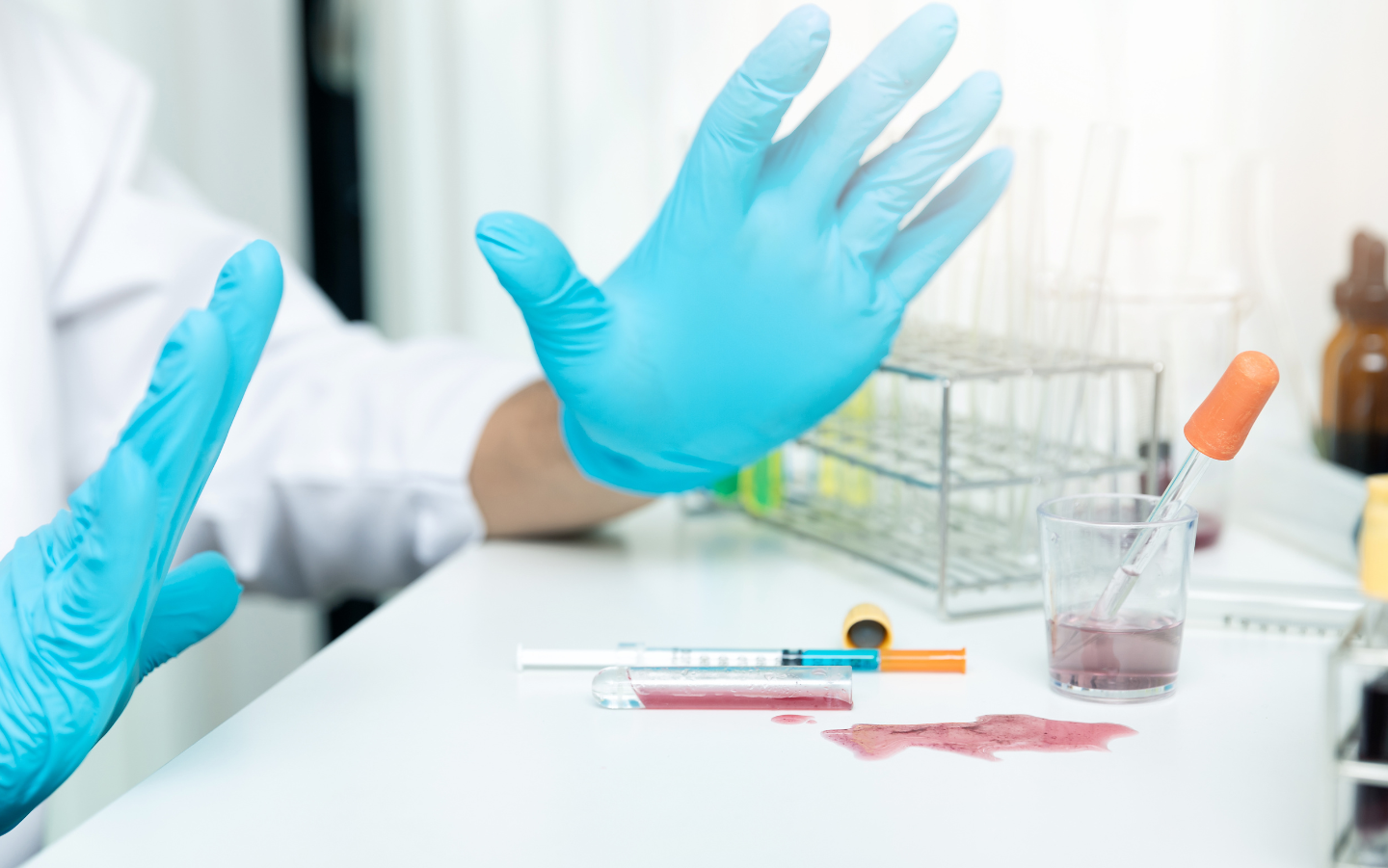
Bloodborne pathogen exposure represents a serious occupational hazard in healthcare facilities, emergency response settings, laboratories, and any environment where workers may encounter blood or other potentially infectious materials. A single blood spill creates multiple hazards including exposure to HIV, hepatitis B, hepatitis C, and other pathogens that can cause serious illness or death. Proper cleanup procedures are essential for protecting worker health, preventing cross-contamination, and complying with OSHA regulations governing bloodborne pathogen exposure.
Many workers receive inadequate training on bloodborne pathogen response, leading to unsafe cleanup practices that create unnecessary exposure risk. Understanding the hazards that blood spills create, following proper cleanup procedures, understanding personal protective equipment requirements, and recognizing when professional biohazard cleanup services are necessary are essential competencies for any worker in an environment where blood spills might occur.
Understanding Bloodborne Pathogen Hazards
Blood and other potentially infectious materials can transmit serious pathogens through exposure to broken skin, mucous membranes, or eye contact. A single drop of blood from an infected individual can contain millions of viral particles capable of transmitting infection. Hepatitis B virus can survive on surfaces for extended periods and can be transmitted through microscopic cuts or abrasions on skin that workers may not even realize they have.
The primary bloodborne pathogens of concern are HIV, hepatitis B virus (HBV), and hepatitis C virus (HCV). HIV causes AIDS and is potentially fatal without treatment. Hepatitis B causes liver inflammation and can lead to chronic infection, cirrhosis, and liver cancer. Hepatitis C causes liver inflammation and chronic infection that can progress to cirrhosis and liver failure. All three pathogens can be transmitted through occupational exposure to blood.
The risk of transmission from a needle stick injury is approximately 0.3% for HIV, 30% for hepatitis B (in unvaccinated individuals), and 1.8% for hepatitis C. These percentages demonstrate that even brief contact with infected blood creates meaningful transmission risk. Proper cleanup and personal protective equipment use dramatically reduces transmission risk.
Immediate Response to Blood Spills
When a blood spill occurs, the immediate response is critical for preventing exposure and contaminating additional areas. The first priority is preventing anyone from walking through the spill or touching contaminated materials. If the spill is in a high-traffic area, immediately block access to prevent exposure. Use caution tape, cones, or other barriers to prevent traffic through the area.
Assess whether immediate cleanup is safe and appropriate. Small spills (less than a few milliliters) in controlled healthcare settings can often be cleaned by trained workers. Large spills, spills in uncontrolled environments, or spills involving unknown biological materials should be handled by professional biohazard cleanup services. Do not attempt cleanup that exceeds your training or puts you at unnecessary risk.
Personal Protective Equipment Requirements
Workers conducting blood spill cleanup must wear appropriate personal protective equipment to prevent exposure. The minimum PPE required includes disposable gloves (typically latex-free nitrile to prevent allergic reactions), gown or protective apron to protect clothing from contamination, eye protection to prevent splashing into eyes, and a mask or respirator if splashing is likely.
Gloves must be intact without tears or holes. Double-gloving provides additional protection and allows removal of the outer contaminated glove while maintaining inner protection during cleanup. Gloves should be changed immediately if torn or contaminated with non-blood materials during the cleanup process.
The gown or apron protects clothing from contamination. Gowns that provide full-body coverage are preferable to aprons that leave parts of the body exposed. If splashing is possible, a plastic face shield or safety goggles prevents contamination of eyes and mucous membranes. For spills involving significant amounts of blood or potential for splashing, a respirator may be appropriate to prevent inhalation of aerosolized blood particles.
Cleanup Materials and Solutions
Proper cleanup of blood spills requires appropriate disinfectants and materials. The EPA-registered disinfectant must be effective against bloodborne pathogens and must be used at appropriate concentration and contact time. Common effective disinfectants include sodium hypochlorite (bleach) at 1:10 dilution (one part bleach to nine parts water) for fresh spills, or quaternary ammonium compounds and phenolic disinfectants at manufacturer-recommended concentrations.
Bleach is an economical and highly effective disinfectant for bloodborne pathogen cleanup. A fresh 1:10 bleach solution is highly effective against all bloodborne pathogens when applied with adequate contact time (typically 10 minutes for surfaces). Bleach solutions must be prepared fresh daily, as the active ingredient degrades over time. Pre-mixed bleach solutions should not be stored, as they lose effectiveness.
Alternative disinfectants include accelerated hydrogen peroxide, which is effective and doesn't produce toxic fumes like bleach. These alternatives can be more expensive than bleach but may be preferable in facilities where workers have sensitivities to bleach fumes.
Materials needed for cleanup include absorbent materials (paper towels, gauze, or commercial absorbent materials) to contain blood, sharps containers for any needles or sharp objects, biohazard waste bags for contaminated materials, and spray bottles or applicators for disinfectant solutions. Single-use materials should be used rather than reusable materials that might retain contamination.
Step-by-Step Blood Spill Cleanup Procedure
Begin by putting on all required personal protective equipment before approaching the spill. Ensure gloves, gown, and eye protection are securely in place. For large spills or unknown biological materials, contact professional biohazard cleanup services rather than attempting cleanup.
Assess the spill size and composition. If the spill contains visible blood clots or large amounts of blood, use absorbent materials to contain the bulk of the spill first. Place absorbent material over the spill and allow it to absorb blood for several minutes. Excess blood can be wiped away with absorbent material before applying disinfectant.
Once bulk blood is absorbed, apply the appropriate disinfectant solution to the affected area and surrounding area (extending at least one foot beyond visible contamination). Allow adequate contact time for the disinfectant (typically 10 minutes for bleach solutions, following manufacturer instructions for other disinfectants).
Wipe the area thoroughly with clean absorbent material or cloths to remove disinfectant residue. For porous surfaces like carpet or upholstery where blood has penetrated, additional cleaning may be necessary. Some porous materials may need to be discarded if contamination is extensive.
Place all contaminated materials including absorbent materials, gloves, gowns, and any contaminated items in a biohazard waste bag. Biohazard waste bags must be properly labeled and disposed of according to regulatory requirements. Do not dispose of biohazard waste in regular trash.
After cleanup is complete, remove personal protective equipment carefully. Gloves should be peeled from the wrist, turning them inside-out as they're removed to contain contamination. Dispose of PPE in biohazard waste bags. Wash hands thoroughly with soap and water after completing cleanup and removing all PPE.
Special Considerations for Different Surfaces
Cleanup procedures vary depending on the surface contaminated. Non-porous surfaces like tile, plastic, or stainless steel are easiest to clean because blood doesn't penetrate the surface. These surfaces can be cleaned with disinfectant applied to absorbent material, wiped thoroughly, and then rinsed with water if desired. Non-porous surfaces should be fully clean after proper disinfection.
Porous surfaces like carpet, upholstery, or wood are more challenging because blood can penetrate into the material. For small spills on porous surfaces, absorbent material can contain the spill, then disinfectant can be applied to the affected area. However, disinfectant may not penetrate deeply into porous materials, potentially leaving contamination in layers below the surface.
For large spills on porous surfaces or spills of unknown age where contamination may have penetrated, professional biohazard cleanup services are often necessary. These services have equipment to inject disinfectants into materials and may recommend removal and replacement of heavily contaminated materials rather than attempting surface cleanup.
Fabrics and textiles contaminated with blood should be bagged separately and either discarded or laundered in hot water with appropriate detergent, depending on whether the item is valued and can be effectively decontaminated. Healthcare facilities often discard contaminated linens rather than attempting to launder them.
Sharps and Needlestick Considerations
Blood spills involving needles or sharp objects require additional precautions. Never pick up needles or sharp objects with bare hands or fingers. Use a sharps scoop (designed specifically for safely containing needles) or tweezers to collect sharps. Place all needles and sharp objects in a puncture-resistant sharps container designed for biohazard waste.
If a needlestick injury occurs during cleanup, immediately wash the wound with soap and water. Report the injury to your supervisor and seek medical evaluation. The source of the blood (if known) should be tested for bloodborne pathogens to determine whether post-exposure prophylaxis or other medical intervention is necessary.
Professional Biohazard Cleanup Services
Professional biohazard cleanup services should be contacted for large spills, spills in uncontrolled environments, spills involving unknown biological materials, or spills where contamination may be extensive. These services have specialized training, equipment, and materials to safely handle significant contamination.
Professional services are particularly important for hoarding situations, unattended deaths, or other scenarios where biological contamination may be extensive and unknown. These services comply with all regulatory requirements and properly dispose of contaminated materials through licensed medical waste disposal services.
Cost is often covered by property insurance or by the responsible party (for example, if an injury occurs on someone's property due to their negligence). Do not attempt to manage situations beyond your training and capability.
Regulatory Requirements and Bloodborne Pathogen Standard
OSHA's Bloodborne Pathogen Standard requires employers to implement exposure control plans addressing how workers will be protected from bloodborne pathogen exposure. The standard requires training for workers who might encounter blood or other potentially infectious materials. Training must address bloodborne pathogen transmission, hepatitis B vaccination (which should be offered free to at-risk workers), exposure control procedures, and post-exposure evaluation procedures.
Employers must maintain confidentiality of workers' medical information and records. If an exposure incident occurs, the employer must investigate and provide post-exposure evaluation and medical follow-up at no cost to the worker.
Post-Exposure Protocols
If exposure to blood occurs through needlestick injury, cut, or splash exposure, immediate action is necessary. Wash the wound with soap and water immediately. If mucous membranes were exposed, flush the area with water or saline. Report the exposure to your supervisor or occupational health service immediately.
Seek medical evaluation to assess transmission risk and determine whether post-exposure prophylaxis is necessary. Post-exposure prophylaxis (PEP) for HIV is most effective when started within hours of exposure, becoming less effective with delay. For hepatitis B, immune globulin or revaccination may be appropriate depending on the exposed worker's vaccination status.
The source of the blood should be tested for HIV, hepatitis B, and hepatitis C, if possible. The exposed worker should also be tested at baseline and at follow-up intervals to determine whether infection occurred. Medical follow-up and counseling should be provided throughout the monitoring period.
Frequently Asked Questions About Blood Spill Cleanup and Bloodborne Pathogen Safety
What's the safest way to contain a blood spill so it doesn't spread to other areas during cleanup?
The most important containment principle is to prevent the blood from spreading to new areas while managing the cleanup. The first step is to immediately prevent traffic through the affected area using barriers, caution tape, or cones. This prevents people from walking through the spill and spreading contamination to other locations via their shoes.
Absorbent material placed over the spill helps contain it and prevents splashing during cleanup. Paper towels, gauze, or commercial absorbent materials can be used. Allow the absorbent material to absorb the blood for several minutes before proceeding with cleanup.
When wiping or removing contaminated materials, move from the outer edges of the spill toward the center to avoid spreading blood beyond the original affected area. Use a wiping motion rather than a brushing motion that could aerosolize blood particles.
For spills on floors, consider placing additional absorbent material around the perimeter of the spill to catch any liquid that might run or splash during cleanup. This secondary containment prevents blood from spreading to surrounding areas.
After initial containment, apply disinfectant solution to the affected area and surrounding area (at least one foot beyond visible blood). This creates a buffer zone to ensure that any residual contamination outside the visible spill area is also disinfected.
Can I use regular cleaning products instead of bleach or special disinfectants for blood cleanup?
No, regular cleaning products are not adequate for bloodborne pathogen disinfection. Bloodborne pathogens require EPA-registered disinfectants that are specifically tested for effectiveness against HIV, hepatitis B, and hepatitis C. Regular household cleaners like ammonia, vinegar, or standard detergents may clean visible dirt but do not reliably kill bloodborne pathogens.
Bleach at 1:10 dilution (one part bleach to nine parts water) is highly effective against bloodborne pathogens and is one of the most economical options. A fresh 1:10 bleach solution is effective against all bloodborne pathogens when applied with adequate contact time (typically 10 minutes).
Other EPA-registered disinfectants like quaternary ammonium compounds or phenolic disinfectants are also effective when used at manufacturer-recommended concentrations. These alternatives may be preferable to bleach in facilities where workers have sensitivities to bleach fumes.
The key requirement is that the disinfectant must be EPA-registered as effective against bloodborne pathogens and must be applied at appropriate concentration and contact time. Using inadequate disinfectants leaves active pathogens on surfaces, creating ongoing transmission risk.
How long does blood stay infectious on surfaces, and how does temperature or humidity affect this?
Bloodborne pathogens can survive on surfaces for extended periods depending on the virus and environmental conditions. Hepatitis B virus is particularly hardy and can survive on contaminated surfaces for up to seven days at room temperature. HIV survives for shorter periods, typically hours to a few days depending on conditions. Hepatitis C virus survival is intermediate between HIV and hepatitis B.
Environmental factors affect pathogen survival. Hepatitis B survives longer in dry conditions because drying doesn't inactivate the virus. Higher temperatures can reduce survival time, but temperatures encountered in normal indoor environments don't significantly reduce survival. Humidity also affects survival, with some pathogens surviving longer in humid conditions.
Because pathogen survival is unpredictable and can be extended, contaminated surfaces should be considered infectious until properly disinfected. The duration of infectivity shouldn't be relied on for decontamination — proper disinfection is the only reliable approach.
This means that even old blood stains that appear to be dry should be treated as potentially infectious and disinfected properly. A stain on a floor that's days old still poses transmission risk and requires disinfection.
What should I do if I get blood on my skin during cleanup, especially if I have cuts or abrasions on my hands?
If blood contacts your skin, the immediate response depends on whether your skin barrier is intact. If you have no cuts or abrasions and your skin is intact, wash the area immediately with soap and water. This removes blood and reduces exposure risk. You should then continue with cleanup wearing appropriate PPE.
If you have cuts, abrasions, or other breaks in your skin and blood contacts these areas, this constitutes a potential exposure incident. Wash the wound immediately with soap and water to remove blood. Encourage bleeding from the wound by applying gentle pressure, as bleeding can help flush out pathogens.
Report the exposure to your supervisor or occupational health service immediately. Seek medical evaluation to assess transmission risk and determine whether post-exposure prophylaxis is necessary. The source of the blood should be tested for bloodborne pathogens, if possible.
Do not delay seeking medical attention. Post-exposure prophylaxis for HIV is most effective when started within hours of exposure, becoming significantly less effective with delay. Medical professionals can determine whether treatment is necessary based on the specific exposure circumstances.
Wearing double gloves during cleanup provides a margin of safety. If the outer glove tears during cleanup, you can remove it while maintaining the integrity of the inner glove, reducing the risk that blood will contact your skin.
When should I contact professional biohazard cleanup services instead of handling the cleanup myself?
Professional biohazard cleanup services should be contacted for spills that exceed your training capability or that involve significant contamination. Large spills (more than a few milliliters), spills in uncontrolled environments, or spills involving unknown biological materials should be handled by professionals.
Situations requiring professional services include crime scenes with extensive blood contamination, unattended deaths where decomposition may have created additional biological contamination, hoarding situations with unknown contamination, and any scenario where you're uncertain whether a spill can be safely managed.
Professional services should also be used if contamination may have penetrated porous materials like carpet or upholstery where surface cleanup may not effectively decontaminate. These services have equipment to inject disinfectants into materials and may recommend removal and replacement if contamination is extensive.
If you're uncertain whether a situation requires professional services, err on the side of caution and contact professionals. The cost of professional services is typically less expensive than the potential cost of an exposure incident and follow-up medical care.
How often should surfaces be disinfected if blood spills occur regularly in a specific area?
If blood spills occur regularly in an area (for example, in an emergency room or trauma center), the area should be disinfected after each spill using the procedures described above. However, routine disinfection beyond spill cleanup is not necessary unless there's reason to believe residual contamination exists.
In healthcare facilities where spills are common, cleaning protocols might establish that certain areas are disinfected at the end of each shift or between patients. This is good practice for general infection control but is not specifically required for bloodborne pathogen control if spills have already been properly cleaned.
The critical distinction is between cleaning up visible spills immediately and thoroughly, and routine environmental disinfection. Immediate cleanup of spills is essential. Routine environmental disinfection is important for general infection control but is not the same as bloodborne pathogen spill cleanup.
Healthcare facilities should establish protocols appropriate for their specific environment and hazard exposure. High-volume spill areas might benefit from more frequent disinfection than areas with infrequent spills.