.png)
The Significance of Mobile Safety Management in Today’s Workplace
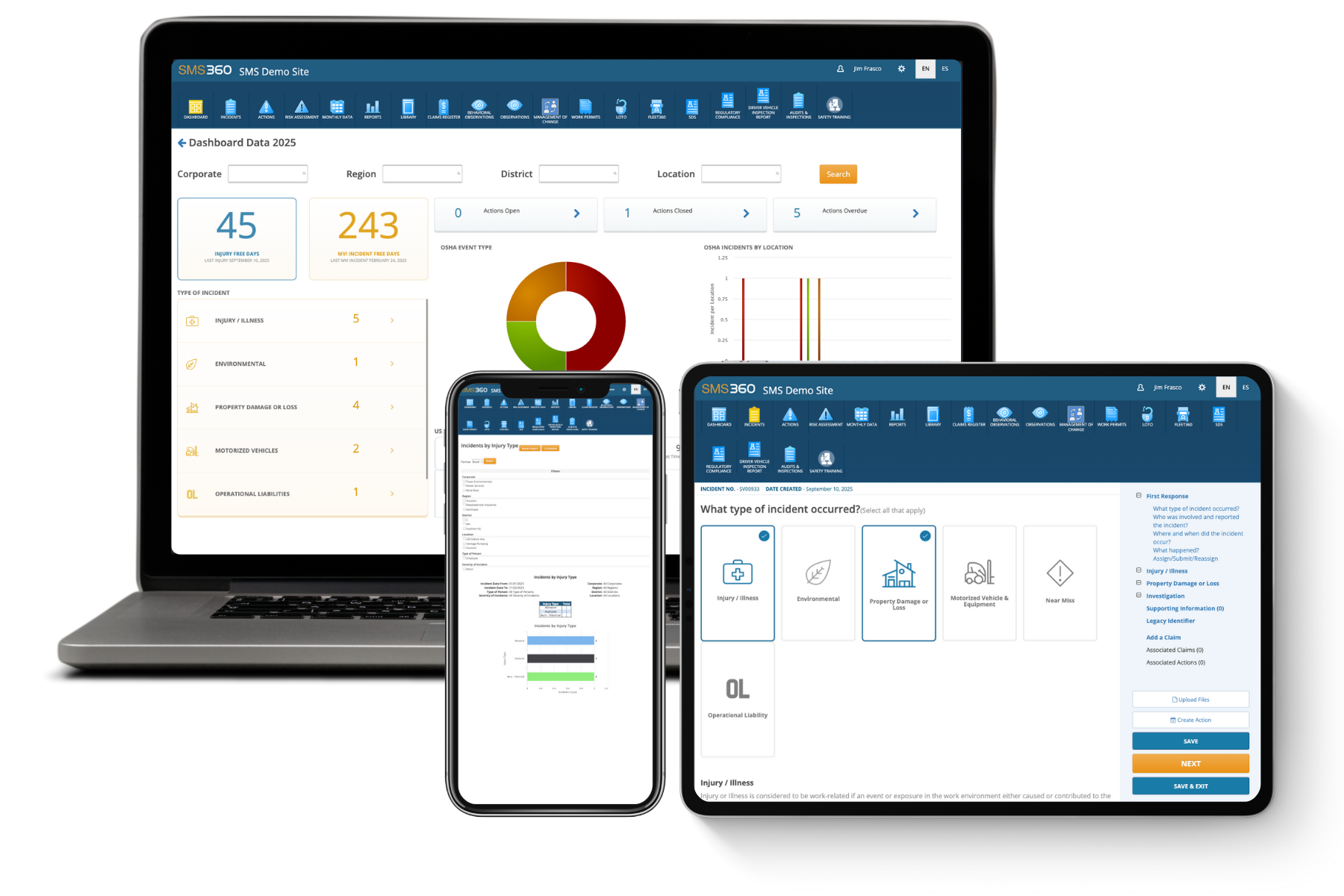
In an era where every second counts, mobile safety management has become indispensable. Safety management systems are transitioning from traditional methods to mobile platforms. Why? Because safety professionals need real-time data access, swift communication, and decision-making power, especially when onsite. Mobile access ensures safety protocols are always at your fingertips, paving the way for a more proactive approach to workplace safety.
Furthermore, offline safety management allows teams to stay connected even in areas with little to no internet service. This is crucial for industries like construction, oil and gas, or remote locations where internet might be sketchy at best. Combining mobile and offline capabilities not only enhances data collection but also reinforces compliance with safety regulations.
The Role of Offline Access in Safety Management
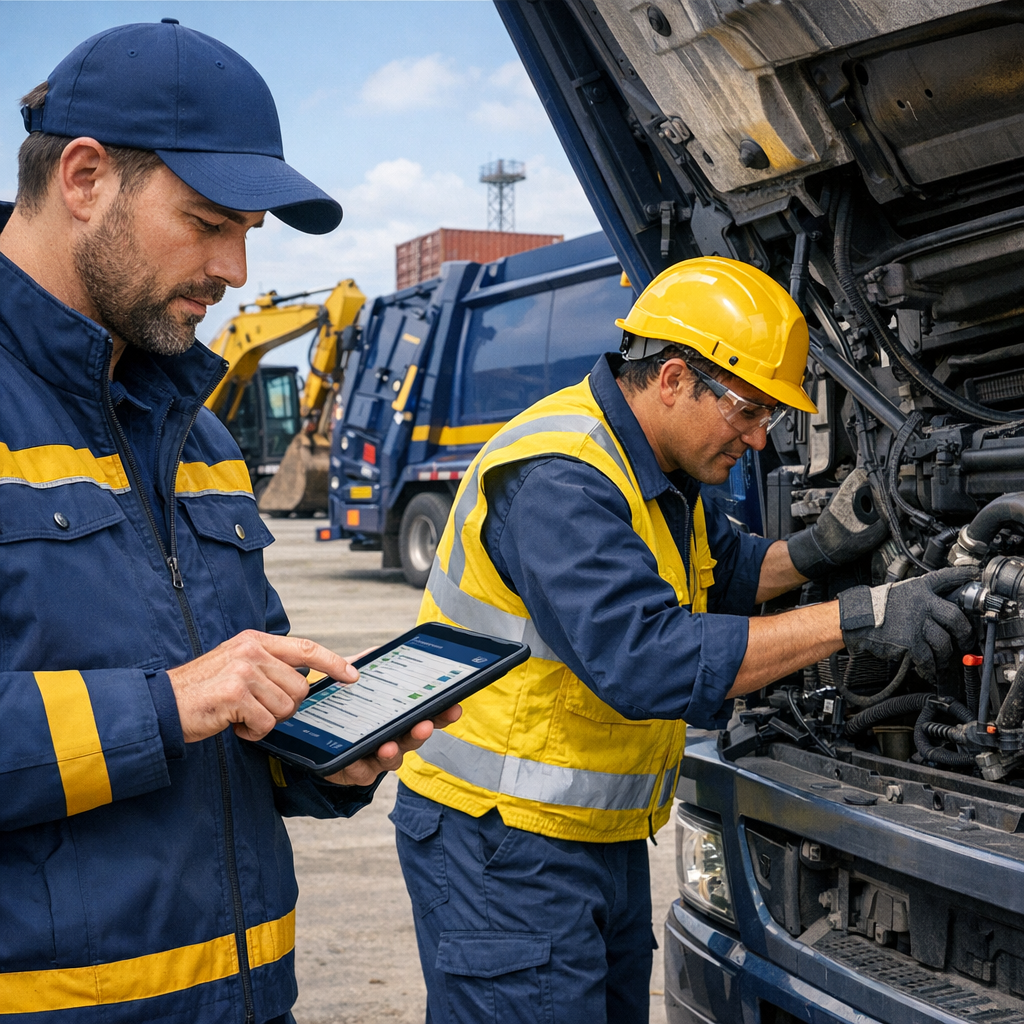
Imagine a construction site where WiFi barely exists. Workers equipped with mobile devices might feel ill-prepared without consistent internet access. Fortunately, offline safety management solves this issue. By enabling teams to record incidents and conduct inspections without connectivity, companies bolster their safety protocols.
- Instant Data Entry: Workers can input data directly into the system, ensuring no information slips through the cracks.
- Seamless Syncing: Data collected offline syncs automatically when connectivity resumes, making it easy to keep track of safety records.
- Documenting Incidents: Quick on-site incident recording can lead to improved reporting, enhancing accountability.
Here’s a real-world example: A construction firm operating in a remote area faced significant delays due to connectivity issues. By incorporating offline access into their mobile safety management, workers could document daily inspections and incidents without interruption. This proactive approach reduced incident reporting times by nearly 40%!
Digital Safety Management: Accessibility and Efficiency
Modern digital safety management solutions not only focus on mobile capabilities but also ensure that critical safety information is accessible by anyone who needs it. When things go awry, having access to safety protocols and procedures can mean the difference between a narrow escape and an accident.
In this digital age, the flexibility that comes with mobile safety management is a game changer. Here’s how:
- Real-time Updates: Safety policies can be updated instantly. Team members receive notifications, ensuring everyone is on the same page.
- Document Access: Staff can reference safety manuals or training videos while in the field—no need to carry physical documents that could get lost or damaged.
- Enhanced Communication: Instant messaging and updates foster collaboration among teams, allowing for quick solutions to emerging issues.
The Importance of Training and Familiarization
Despite the significant advantages of digital safety management, there’s a critical factor to consider: proper training. Ensuring that staff is well-versed in using mobile safety management tools will lead to:
- Increased adherence to safety protocols.
- More accurate data collection and reporting.
- Improved safety culture within the organization.
Take the case of a manufacturing plant that encountered frequent safety incidents due to outdated procedures. By implementing a comprehensive training program alongside a user-friendly mobile safety management system, they reported a 50% decrease in incidents over six months. This underscores the vital role that familiarity with digital tools plays in enhancing workplace safety.
Implementing Mobile and Offline Safety Management Solutions
Designing a safety management plan that integrates both mobile and offline access isn’t just a necessity; it’s an investment in your team’s safety. Here are a few steps to get started:
- Identify Needs: Assess where mobile access can improve safety management, especially in offline situations.
- Choose the Right Tool: Look for software that offers robust offline functionality and opens up mobile capabilities tailored to your industry.
- Train Your Team: Provide comprehensive training on the new system, stressing offline capabilities.
By following these steps, you can create a safer environment that encourages proactive engagement with safety practices while minimizing risks.
Now is the time to act! With the right mobile and offline safety management solutions, your organization can set a benchmark in workplace safety. Explore SMS360’s leading safety and compliance software to transform your safety practices. Experience firsthand how mobile safety management can elevate your operational standards.
Frequently Asked Questions
What is mobile safety management?
Mobile safety management refers to utilizing mobile devices and applications to monitor, document, and manage workplace safety protocols in real time.
How does offline safety management work?
Offline safety management allows workers to collect safety data and conduct inspections without an internet connection, syncing data once they are back online.
What are the benefits of digital safety management?
Digital safety management enhances communication, provides real-time updates, and increases accessibility to safety documents, resulting in an overall safer workplace.
Implementing mobile safety management can significantly enhance your organization's safety protocols and compliance efforts.