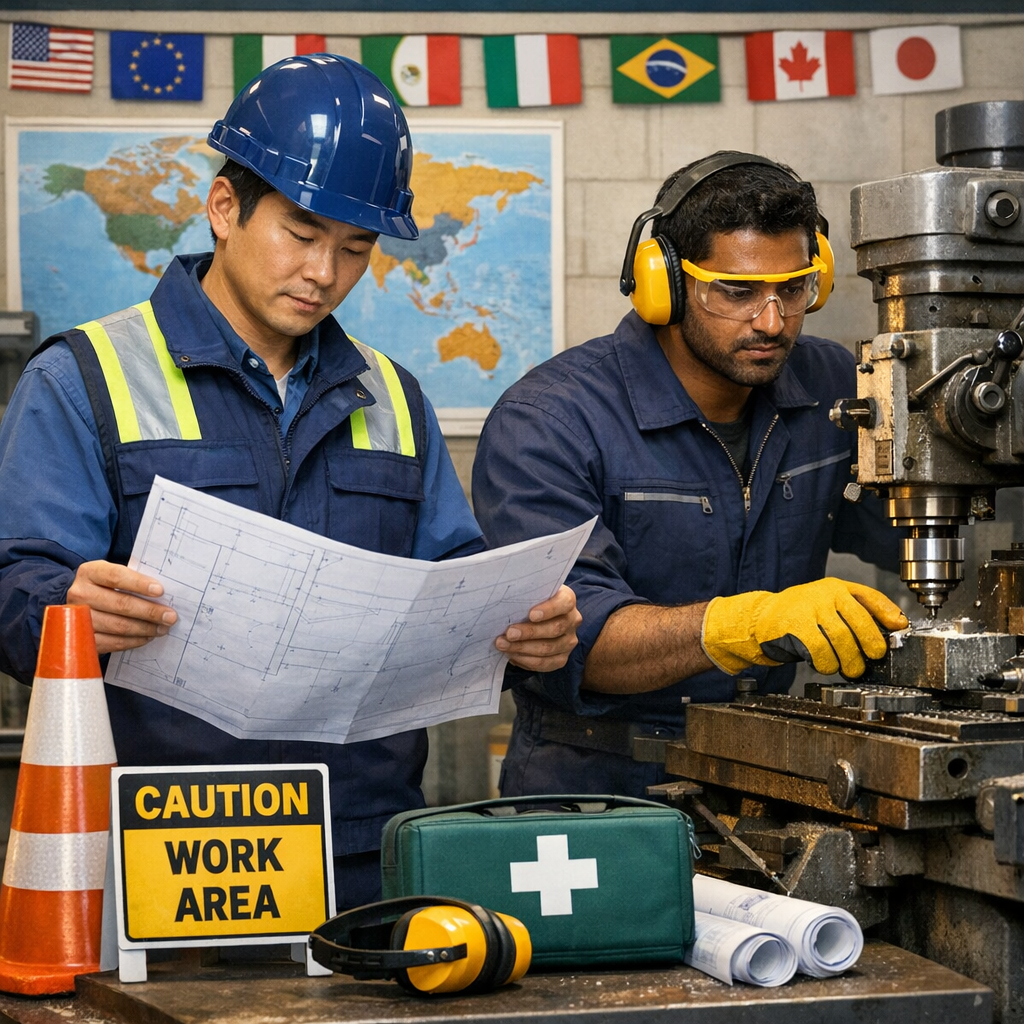
In today's globalized business landscape, the importance of multi-lingual safety software cannot be understated. As organizations expand across borders, they encounter diverse languages and cultures, making effective communication a challenge. Implementing a multi-lingual safety management software that caters to various languages can significantly enhance safety protocols and compliance management. This leads to not only a safer workplace but also promotes a culture of safety that resonates with employees on a personal level.
The Role of Multi-Lingual Safety Software in Global Safety Management
When discussing global safety management, it’s crucial to recognize that a one-size-fits-all approach simply doesn’t work. Each region may have its own regulatory standards and cultural nuances that influence safety procedures. Here’s how multi-lingual software can help:
- Enhanced Communication: Language barriers can lead to misinterpretations and mistakes. Multi-lingual safety software allows for clear communication of safety policies across different languages, ensuring that everyone understands risks and protocols.
- Comprehensive Documentation: Different countries require different compliance documentation. A multi-lingual approach ensures that all safety reports, training materials, and incident reports are accessible in the native language of the employees.
- Consistent Training: Safety training can be standardized in multiple languages, ensuring that all employees receive the same level of training regardless of their primary language.
Real-Life Example: Manufacturing Industry
Consider a manufacturing company operating in North America and Latin America. Employees in each region speak different languages. A recent incident highlighted the lack of clear safety instructions due to language barriers. After implementing a multi-lingual safety management software, the company saw a reduction in incidents as employees could access safety protocols in their preferred language. This not only improved safety outcomes but also boosted employee morale.
Improving Compliance with Multi-Lingual Compliance Tracking Tools
Compliance tracking is an essential aspect of any safety management system. With international regulations frequently changing, it's important to have a system in place that can adapt to varying requirements across different jurisdictions.
Here’s how multi-lingual compliance tracking tools can make a difference:
- Automated Notifications: Multi-lingual software can send compliance reminders in different languages, ensuring all teams are on the same page regarding deadlines and requirements.
- Customizable Reports: Compliance reports can be generated in multiple languages, making it easier for companies to present documentation to regulatory bodies in their local language.
- Training Compliance: Keeping up with local and international training requirements can be complicated. Multi-lingual systems help ensure that all employees complete mandatory training in a language they understand.
Scenario: Construction Sector
Imagine a construction company operating across multiple countries with diverse workforces. With employees speaking different languages, managing compliance can be overwhelming. By utilizing multi-lingual compliance tracking tools, the company streamlined its operations, ensured all team members were aware of local regulations, and maintained a strong safety record.
Promoting a Safety Culture with Multi-Lingual Solutions
One of the most significant benefits of multi-lingual safety software is its ability to foster a culture of safety. When all employees understand the safety protocols in their own language, it encourages active participation and reinforces the importance of adhering to safety practices.
- Increased Participation in Safety Initiatives: When employees can communicate their safety concerns in their native language, there's a higher likelihood they'll report hazards or unsafe practices.
- Behavioral Safety: Employees who understand the 'why' behind safety protocols are more likely to comply with them. Multi-lingual software helps convey the importance of safety measures effectively.
- Improved Employee Retention: A organization that values communication and safety will see better employee retention rates. Employees are generally more satisfied in environments where they feel understood and safe.
For instance, a logistics company observed improved participation in safety meetings after adopting a multi-lingual safety management system. Employees felt more empowered to voice their concerns, leading to a stronger safety culture overall.
As you can see, implementing multi-lingual safety software is not merely a tech upgrade; it’s a vital step towards fostering a compliant, safe, and engaged workforce. Organizations that embrace this multi-lingual approach position themselves for success in today’s complex business landscape.
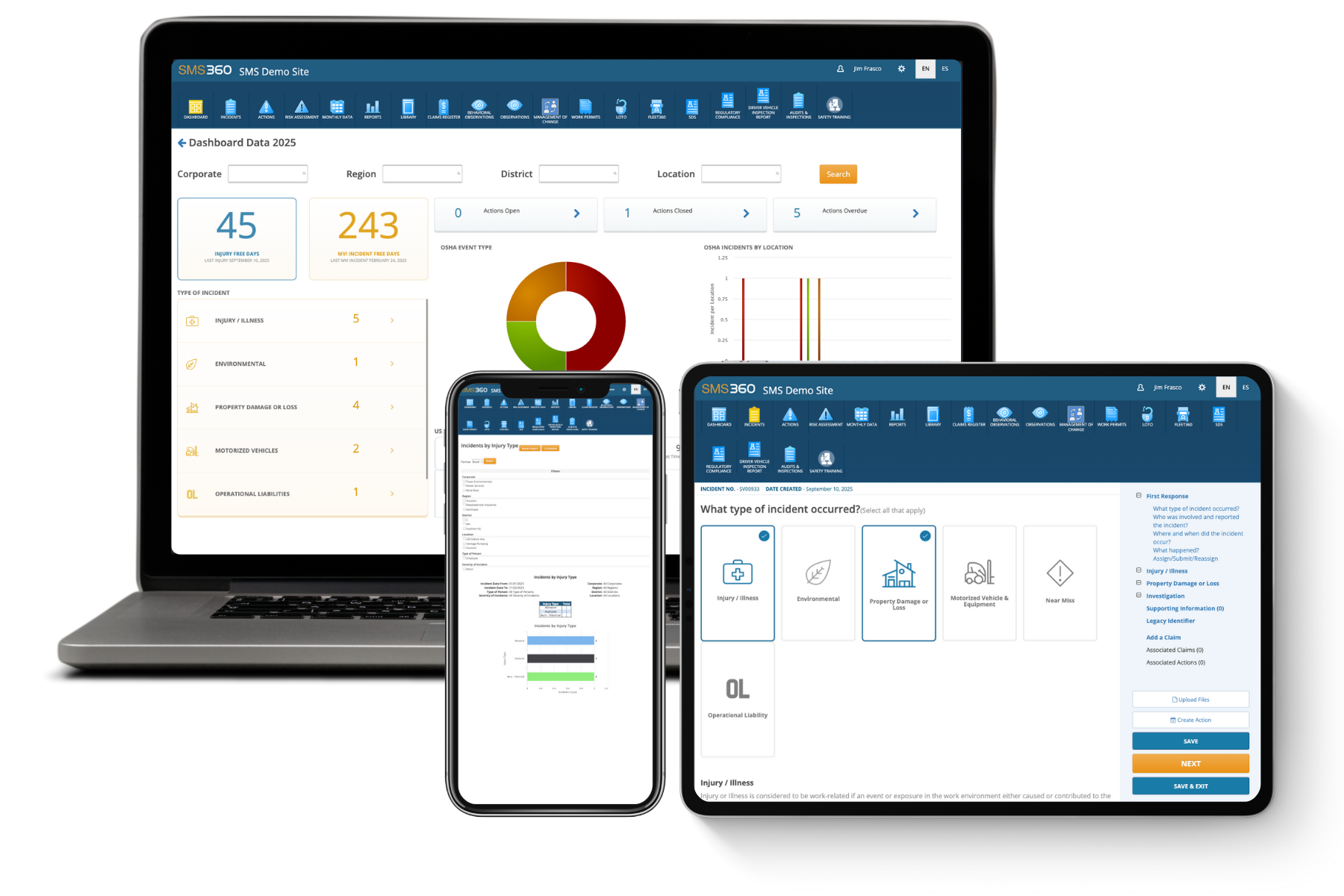
If you’re looking to enhance your safety protocols and compliance tracking, explore what SMS360 can offer. Our innovative software is designed to meet the needs of a diverse workforce, making safety management seamless and effective.
Frequently Asked Questions About Multi-Lingual Safety Software
Q1: Why is multi-lingual safety software important for global organizations?
A1: It eliminates language barriers, ensuring all employees understand safety protocols and compliance requirements, which ultimately enhances workplace safety.
Q2: How can I measure the effectiveness of implementing multi-lingual safety management software?
A2: Evaluate safety incident rates, employee engagement in safety training, and feedback on the clarity of safety documents post-implementation.
Q3: Does SMS360 offer multi-lingual features?
A3: Yes! SMS360's safety management software includes multi-lingual support, allowing organizations to cater to diverse workforces effectively.


.png)