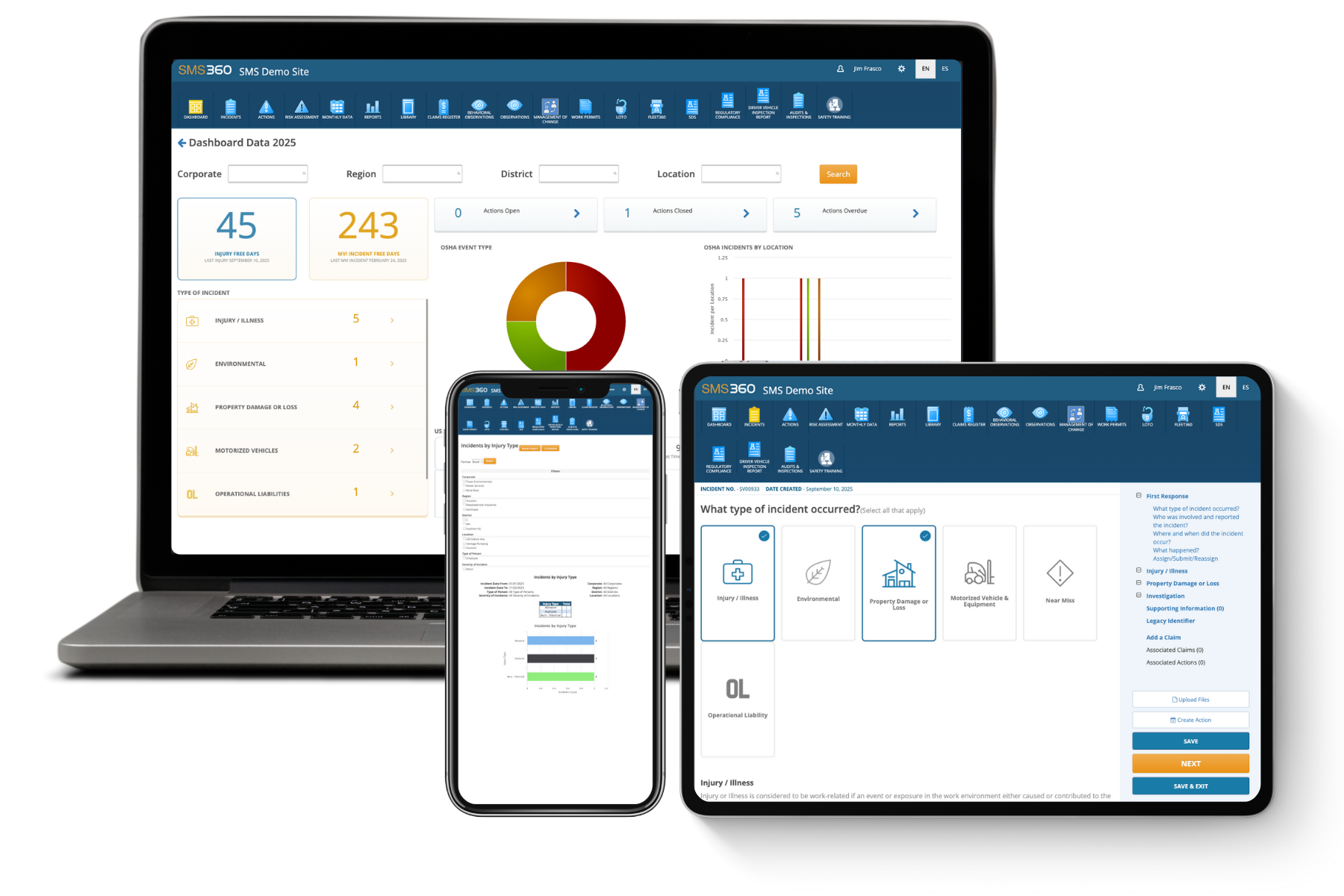
Change is constant in any organization — new equipment gets installed, processes get modified, staffing shifts, and procedures evolve. Most of the time, these changes are made with good intentions: improving efficiency, cutting costs, or solving an existing problem. But uncontrolled or poorly evaluated changes are also one of the most common root causes behind serious workplace incidents, including some of the most catastrophic industrial accidents in history.
Management of Change (MOC) is the structured process organizations use to evaluate and control the risks introduced whenever something in the workplace is altered. It's a foundational element of process safety management and a critical safety practice for any organization dealing with hazardous processes, equipment, or materials. This guide explains what MOC is, why it matters from a safety standpoint, how to build an effective MOC process, and answers to the most common questions organizations have when implementing one.
What Is Management of Change?
Management of Change refers to a formal, systematic process for reviewing and approving changes to equipment, processes, procedures, materials, personnel, or facilities before those changes are implemented. Rather than allowing modifications to happen informally or without oversight, MOC requires that proposed changes be evaluated for their potential impact on safety, health, and environmental risk before they take effect.
The core idea behind MOC is simple but powerful: many changes that seem minor or routine on the surface can introduce hazards that aren't obvious to the person making the change, particularly if that person doesn't have full visibility into how the change interacts with other systems, procedures, or safety controls already in place. A structured MOC process creates a checkpoint where those interactions can be identified and addressed before an incident occurs, rather than after.
Why MOC Emerged as a Safety Discipline
Management of Change gained prominence largely in the wake of catastrophic industrial accidents where investigations revealed that an unmanaged or poorly evaluated change played a central role in the incident. Equipment substituted with a similar-looking but functionally different part, a process modification implemented without updating associated safety systems, or organizational changes that left critical safety responsibilities unclear have all been identified as contributing factors in major industrial disasters. These investigations helped establish MOC as a formal regulatory requirement and a widely recognized best practice well beyond regulated industries.
Types of Changes Covered by MOC
Effective MOC programs need to define clearly what qualifies as a "change" requiring formal review, since gaps in scope are one of the most common weaknesses in real-world programs.
Equipment Changes
This includes installing new equipment, replacing existing equipment with a different model or specification, modifying existing equipment, or changing equipment settings and operating parameters outside their normal range.
Process Changes
Changes to a chemical process, production process, or operational workflow, including changes to process chemistry, operating conditions like temperature and pressure, production rates, or the sequence of process steps.
Procedural Changes
Modifications to standard operating procedures, safety procedures, maintenance procedures, or emergency response plans. Even changes that seem purely administrative can have safety implications if they affect how employees interact with hazardous processes or equipment.
Material Changes
Substituting one raw material, chemical, or component for another, even when the substitute seems similar. Different materials can have different hazard properties, compatibility issues, or handling requirements that aren't immediately obvious.
Organizational and Personnel Changes
Changes in staffing levels, shift structures, organizational reporting lines, or critical safety roles can also affect risk, particularly when they impact supervision levels, communication pathways, or the availability of personnel with specific safety expertise.
Temporary Changes
Temporary changes, such as using a temporary bypass, operating equipment outside normal parameters for a short period, or using temporary procedures during maintenance, deserve particular attention in MOC programs. Temporary changes are sometimes overlooked because they're not intended to be permanent, but they carry real risk and, notably, are a common source of incidents when a "temporary" change is never properly reversed and quietly becomes permanent without further review.
What Is Not Covered: Replacement in Kind
Most MOC programs include a specific exception for "replacement in kind," meaning the replacement of equipment, materials, or components with something that is functionally identical in specification, performance, and materials of construction. A worn bolt replaced with an identical bolt of the same specification, or a burned-out light bulb replaced with the same wattage and type, typically doesn't require a full MOC review, since no actual change to the process or hazard profile has occurred. Clearly defining what qualifies as replacement in kind, and training employees to recognize the difference between a true like-for-like replacement and something that only appears similar, is an important part of keeping the MOC process functional without becoming so broad it slows down routine maintenance unnecessarily.
The Management of Change Process: Step by Step
Step 1: Change Identification and Initiation
The process begins when someone identifies a proposed change and formally submits it for review, typically through a standardized change request form. This initial submission should capture what is being changed, why, and any preliminary information about scope and timeline.
Step 2: Technical Review and Hazard Analysis
The proposed change is evaluated for its technical and safety implications. This typically involves a multidisciplinary review team examining how the change might affect process safety, equipment integrity, employee exposure, environmental impact, and interactions with other systems or procedures. For higher-risk changes, this step may involve formal hazard analysis techniques, such as a "what-if" analysis or hazard and operability study (HAZOP), to systematically identify potential new risks introduced by the change.
Step 3: Risk Assessment
Once potential hazards associated with the change are identified, the team assesses the level of risk involved, considering both the likelihood and severity of potential consequences. This assessment helps determine what additional controls, if any, are needed before the change can be safely implemented.
Step 4: Identification of Required Actions
Based on the hazard analysis and risk assessment, the review team identifies any actions needed before implementation, such as updates to operating procedures, additional employee training, modifications to safety systems, updates to process safety information, or changes to maintenance schedules.
Step 5: Approval
The proposed change, along with the associated risk assessment and required actions, is reviewed and formally approved by designated authorized personnel before implementation can proceed. The appropriate approval level often scales with the complexity and risk level of the change, with higher-risk changes requiring sign-off from more senior technical or safety personnel.
Step 6: Communication and Training
Before or during implementation, everyone affected by the change, including operators, maintenance personnel, and any other employees whose work intersects with the changed process or equipment, must be informed and, where necessary, trained on the change and its implications.
Step 7: Implementation
The change is carried out according to the approved plan, ideally with any required interim controls or precautions in place during the transition period.
Step 8: Pre-Startup Safety Review
For significant changes, particularly those affecting a process before it's brought back online or a new process before initial startup, a pre-startup safety review confirms that construction and equipment meet design specifications, that safety, operating, maintenance, and emergency procedures are in place and adequate, and that training has been completed for affected employees before operations resume.
Step 9: Documentation Update
All relevant documentation, including process safety information, operating procedures, piping and instrumentation diagrams, and training materials, must be updated to reflect the change, ensuring the documentation accurately represents the current state of the process going forward.
Step 10: Follow-Up and Verification
After implementation, many organizations conduct a follow-up review to confirm the change is functioning as intended and hasn't introduced unanticipated problems, closing the loop on the MOC process.
Management of Change and OSHA's Process Safety Management Standard
For organizations covered by OSHA's Process Safety Management of Highly Hazardous Chemicals standard (29 CFR 1910.119), Management of Change is a specific, required element of the standard, found at paragraph (l). This regulation applies to facilities working with specified highly hazardous chemicals above threshold quantities, as well as certain other covered processes.
Under the standard, covered employers must establish and implement written procedures to manage changes to process chemicals, technology, equipment, and procedures, as well as changes to facilities that affect a covered process. Before any such change, the employer must ensure the considerations outlined above, including the technical basis for the change, the impact on safety and health, necessary modifications to operating procedures, the necessary time period for the change, and authorization requirements, are properly addressed. Employees whose job tasks are affected by the change must be informed of and trained in the change prior to startup, and process safety information and operating procedures must be updated accordingly.
While the formal MOC requirement under PSM applies specifically to covered facilities handling highly hazardous chemicals, the underlying principles have been widely adopted well beyond regulated process industries. Manufacturing facilities, healthcare organizations, construction companies, and many other industries use MOC-style processes as a general best practice for controlling risk associated with any significant workplace change, even where not strictly required by regulation.
Why Management of Change Matters From a Safety Perspective
Preventing Unintended Consequences
Many workplace hazards aren't created by a single dramatic failure but by the accumulation of small, unreviewed changes that individually seem harmless but collectively erode the safety margins built into the original process design. MOC creates a structured checkpoint to catch these effects before they compound into serious risk.
Maintaining the Integrity of Safety Systems
Process and equipment safety systems are often designed with specific assumptions about how a process will operate. A change made without full awareness of those assumptions, such as increasing a process operating pressure without confirming that relief valves and other safety devices are still adequately rated, can quietly undermine safety systems that appear to be functioning normally right up until they're needed.
Preserving Institutional Knowledge
Formal documentation of changes ensures that the reasoning behind current process configurations and procedures isn't lost over time, particularly as personnel change roles or leave the organization. Without this record, future employees may not understand why a process operates the way it does, making it harder to safely evaluate further changes down the road.
Supporting Incident Investigation and Continuous Improvement
When incidents do occur, a well-maintained MOC history helps investigators understand what changes preceded the event and whether those changes were properly evaluated, supporting more effective root cause analysis and helping the organization learn from what went wrong.
Common Management of Change Pitfalls
Treating MOC as a Bureaucratic Formality
When MOC becomes viewed primarily as paperwork to complete rather than a genuine safety evaluation, review quality suffers. Approvals can become rubber-stamped rather than substantively evaluated, undermining the entire purpose of the process.
Scope Gaps
Organizations sometimes define "change" too narrowly, capturing major equipment modifications but missing procedural changes, organizational changes, or temporary changes that carry real but less obvious risk.
Forgotten Temporary Changes
Temporary changes that are never formally closed out and reverted are a persistent and well-documented source of incidents. Without a tracking mechanism and expiration date tied to temporary changes, they can quietly become permanent, unreviewed features of a process.
Inadequate Training Follow-Through
Even when a change is well-evaluated and approved, failing to ensure all affected employees are actually trained before the change takes effect leaves a dangerous gap between what the documentation says and what employees on the floor actually know.
Disconnected Documentation
If updates to operating procedures, process safety information, and training materials don't happen promptly and consistently after a change, documentation gradually drifts out of sync with actual operating conditions, reducing its reliability as a safety resource over time.
Best Practices for an Effective MOC Program
Define Clear Scope and Thresholds
Establish clear criteria for what qualifies as a change requiring MOC review, with defined categories or risk-based thresholds that help employees quickly determine when the process applies without excessive ambiguity.
Build a Multidisciplinary Review Process
Effective hazard identification during MOC review benefits from input across multiple perspectives, including operations, maintenance, engineering, and safety personnel, since different disciplines often catch different types of risk.
Track Temporary Changes With Defined Expiration Dates
Assign every temporary change a specific expiration date and a formal tracking mechanism to ensure it's either properly reverted or converted into a fully reviewed permanent change, rather than being allowed to persist indefinitely without further evaluation.
Make MOC Accessible and Efficient
An MOC process that's overly cumbersome for low-risk changes can encourage employees to bypass it altogether. Scaling the depth of review to match the level of risk involved helps keep the process both rigorous where it matters and efficient where it doesn't.
Audit the MOC Process Itself Periodically
Periodically reviewing a sample of completed MOC records helps confirm the process is being followed consistently and substantively, rather than assuming compliance based on the existence of a written procedure alone.
Frequently Asked Questions
1. What is the difference between Management of Change and routine maintenance or repair work?
This distinction is one of the most important and, in practice, one of the most frequently misunderstood aspects of an effective MOC program, and getting it right is essential to keeping the process both safe and workable on a day-to-day basis. Routine maintenance and repair work generally involves restoring equipment, systems, or processes to their original design specifications, such as replacing a worn valve with an identical valve of the same specification and rating, repairing a leak using approved materials and methods, or performing scheduled preventive maintenance according to established procedures. This kind of work is typically referred to as "replacement in kind" and generally does not require a full MOC review, because no actual change to the process, its hazards, or its safety basis has occurred; the equipment or system is simply being returned to its previously approved and understood state. Management of Change, on the other hand, applies when something is being altered from its original design or approved configuration, such as replacing equipment with a different model that has different specifications, modifying operating parameters outside their established range, changing a material or chemical used in the process, or altering a procedure in a way that affects how the process operates or how employees interact with it. The practical challenge many organizations face is that the line between the two isn't always obvious at first glance; a replacement part might look nearly identical to the original but have subtly different material properties, pressure ratings, or performance characteristics that constitute a meaningful change requiring review. For this reason, effective MOC programs invest significant effort in training maintenance and engineering personnel to recognize when a seemingly routine replacement actually falls outside the replacement-in-kind exception, and in maintaining detailed, accessible documentation of original equipment specifications so that true equivalency can be verified rather than assumed.
2. Who should be involved in reviewing and approving a proposed change under an MOC process?
The composition of an effective MOC review team depends significantly on the nature and complexity of the proposed change, but well-designed programs generally draw on a multidisciplinary group rather than relying on a single reviewer, since different technical perspectives tend to catch different categories of risk that a single individual might miss. For most substantive changes, the review process benefits from input by operations personnel, who understand how the process actually runs day to day and can identify practical implications that might not be obvious from an engineering drawing alone; maintenance personnel, who understand equipment condition, reliability history, and practical installation or servicing considerations; engineering personnel, who can evaluate the technical soundness of the proposed change and its interaction with existing systems; and safety or process safety personnel, who bring a dedicated focus on hazard identification and regulatory compliance considerations that might otherwise be overlooked amid the operational and technical details. For higher-risk or more complex changes, particularly those affecting covered processes under OSHA's Process Safety Management standard, formal hazard analysis techniques may also involve additional specialized participants, such as instrumentation and controls engineers for changes affecting safety instrumented systems, or environmental compliance personnel for changes with potential regulatory or emissions implications. Final approval authority typically scales with the level of risk associated with the change, meaning routine, lower-risk changes might be approved by a department supervisor or engineering lead, while significant changes affecting critical safety systems or high-hazard processes require sign-off from senior technical management, a designated process safety authority, or in some cases a formal management review committee. Establishing clear, written criteria in advance for who must be involved at each risk tier removes ambiguity during the review process itself and helps ensure that appropriately qualified personnel are consistently engaged based on the actual risk profile of the change, rather than being determined informally or inconsistently on a case-by-case basis.
3. How should organizations handle emergency changes that need to happen quickly, when there isn't time for a full MOC review?
Emergency situations, such as an unexpected equipment failure that poses an immediate safety risk or requires urgent action to prevent a worse outcome, present a genuine challenge for MOC programs, since the standard multi-step review and approval process is generally not designed to move at emergency speed, yet skipping safety evaluation entirely during a crisis is exactly when hazards are most likely to be overlooked under pressure. Most well-designed MOC programs address this by establishing a separate, expedited emergency change procedure that still incorporates core safety principles but compresses the timeline and simplifies the documentation required to authorize immediate action. This typically involves designating specific senior personnel, such as a shift supervisor, plant manager, or on-call process safety expert, with the authority to approve emergency changes on the spot based on their professional judgment, while still requiring that a rapid but genuine hazard assessment be performed, even if abbreviated compared to the standard process, before the change is implemented. Critically, effective emergency change procedures require that the change be formally documented as soon as practically possible after the fact, and that a full retrospective MOC review be conducted promptly once the immediate emergency has passed, to confirm that the emergency action was appropriate, to identify whether the change should be made permanent or reverted, and to ensure that all normal documentation, training, and procedural updates eventually catch up to reflect whatever state the process is left in. Organizations should be particularly vigilant about ensuring that emergency changes don't quietly become permanent by default simply because no one circles back to formally close them out, which mirrors the same risk seen with temporary changes generally, and represents one of the more common gaps identified during process safety audits and incident investigations. Building emergency change provisions directly into the written MOC procedure, rather than leaving them as an unstated exception handled informally in the moment, helps ensure that even urgent, time-pressured decisions retain a documented, deliberate safety rationale rather than becoming an unreviewed departure from the organization's normal risk controls.
4. What role does a pre-startup safety review play in the Management of Change process, and when is it required?
A pre-startup safety review, often abbreviated PSSR, serves as a final verification checkpoint that occurs after a change has been implemented but before the affected process or equipment is actually brought back into operation, functioning as a critical safeguard against the risk that something was overlooked, incorrectly executed, or left incomplete during the implementation phase of a change. The core purpose of a pre-startup safety review is to confirm three key things before startup proceeds: first, that construction and installation of the change actually conform to the original design specifications approved during the MOC review, since discrepancies between what was planned and what was actually built can introduce unanticipated hazards; second, that all safety, operating, maintenance, and emergency response procedures relevant to the change are in place, complete, and adequate, rather than still pending completion; and third, that training for all employees whose work is affected by the change has actually been completed, ensuring that operators and other personnel are prepared to work safely with the modified process from the very first moment of startup rather than learning as they go. Under OSHA's Process Safety Management standard, a pre-startup safety review is specifically required for new facilities before initial startup of a covered process, and for modified facilities when a modification is significant enough to require a change in the process safety information associated with that process, meaning not every minor change necessarily triggers a formal PSSR, but any change substantial enough to alter the underlying process safety documentation generally does. In practice, many organizations choose to apply pre-startup safety review principles more broadly than the strict regulatory minimum, recognizing that the review serves as a valuable final safety checkpoint for a wide range of significant changes even outside formally regulated processes, since catching an implementation gap before startup is consistently far less costly, in both safety and financial terms, than discovering the same gap after operations have already resumed and an incident has occurred as a result.
5. How long should Management of Change records be retained, and why does documentation matter so much for safety over the long term?
While specific record retention requirements can vary depending on applicable regulations, industry standards, and organizational policy, the general safety principle behind MOC documentation is that these records should be retained for the operational life of the process or equipment involved, and often well beyond that, rather than being treated as short-term paperwork that can be discarded once a change is implemented and appears to be functioning normally. The reasoning behind this long retention expectation is rooted in how safety knowledge accumulates and how organizational memory naturally degrades over time as personnel change roles, retire, or leave the organization entirely; a change made and approved by an engineer who has since moved on carries forward an implicit safety rationale that only remains accessible to future employees if it was properly documented at the time. This matters enormously when future changes are being evaluated, since understanding why a process currently operates the way it does, including the history of prior modifications and the reasoning behind them, is often essential context for correctly assessing whether a new proposed change might interact poorly with a previous one in ways that wouldn't be obvious without that historical record. MOC documentation also plays a critical role during incident investigations, where investigators frequently need to reconstruct the sequence of changes that preceded an event to determine whether an inadequately evaluated modification contributed to the incident, and gaps or missing records at this stage can seriously hamper the ability to identify root causes and prevent similar incidents in the future. Beyond these safety-driven reasons, thorough MOC documentation also supports regulatory compliance demonstration during audits or inspections, providing tangible evidence that changes were properly evaluated, approved, and communicated rather than relying on institutional memory or informal assurances that the right process was followed. Organizations serious about long-term process safety typically treat MOC records as a permanent part of their process safety information, maintained and accessible for the life of the equipment or process, recognizing that the value of this documentation often becomes most apparent not at the time a change is made, but years later when that historical context turns out to be exactly what's needed to safely evaluate the next change or to understand what went wrong when something eventually does.