Heat stress is one of the most underestimated workplace hazards—until it isn’t. Every year, thousands of workers experience heat-related illnesses that range from mild discomfort to life-threatening conditions. And unlike many other risks, heat stress can escalate quickly, often with little warning.
For organizations operating in industries like construction, manufacturing, transportation, agriculture, and utilities, the risk is even higher. But the reality is that heat stress isn’t limited to outdoor environments. Indoor workplaces without proper ventilation or climate control can present just as much danger.
Understanding heat stress, recognizing early warning signs, and implementing proactive safety measures are critical to protecting your workforce. More importantly, organizations that take heat safety seriously often see improvements in productivity, morale, and overall safety performance.
In this guide, we’ll break down what heat stress is, why it matters, and how your organization can effectively manage it using a modern, proactive approach.
Why Heat Stress Is a Growing Workplace Risk
Heat stress is becoming a more prominent issue across industries, especially as temperatures continue to rise in many regions. Longer summers, more frequent heat waves, and changing working conditions are increasing exposure for workers.
But the risk isn’t just environmental—it’s operational. Tight deadlines, physically demanding tasks, and insufficient breaks can all contribute to heat-related incidents. In many cases, employees push through discomfort to meet expectations, which can lead to dangerous outcomes.
What makes heat stress particularly challenging is how quickly it can develop. A worker may appear fine one moment and begin showing symptoms shortly after. Without proper monitoring and response systems in place, these situations can escalate rapidly.
Organizations that treat heat stress as a core safety priority—not just a seasonal concern—are better positioned to prevent incidents and maintain operational continuity.
Understanding Heat Stress and Its Impact
What Is Heat Stress?
Heat stress occurs when the body is unable to cool itself effectively. This can happen when high temperatures, humidity, and physical exertion combine to overwhelm the body’s natural cooling mechanisms.
When the body cannot regulate its temperature, internal systems begin to fail. This can lead to a range of heat-related illnesses, each with increasing severity.
Types of Heat-Related Illnesses
Heat stress can manifest in several ways, starting with relatively mild symptoms and progressing to more serious conditions.
Heat exhaustion is one of the most common forms. It typically includes symptoms such as heavy sweating, weakness, dizziness, and nausea. While it is less severe than heat stroke, it still requires immediate attention.
Heat stroke is the most dangerous form of heat-related illness. It occurs when the body’s temperature rises rapidly and the cooling system stops working. Symptoms may include confusion, loss of consciousness, and a lack of sweating despite high body temperature. This is a medical emergency that requires immediate intervention.
Understanding these conditions and their progression is essential for early detection and response.
Recognizing the Signs and Symptoms
Early Warning Signs
One of the most effective ways to prevent serious incidents is by identifying early warning signs. These may include excessive sweating, fatigue, headache, and muscle cramps.
Employees experiencing these symptoms may not always report them, especially in fast-paced or high-pressure environments. This makes it important for supervisors and team members to remain vigilant.
Advanced Symptoms That Require Immediate Action
As heat stress progresses, symptoms can become more severe. These may include confusion, disorientation, vomiting, and fainting.
At this stage, immediate action is critical. Delayed response can result in long-term health consequences or even fatal outcomes.
Training employees to recognize both early and advanced symptoms ensures faster intervention and reduces the likelihood of escalation.
High-Risk Environments and Roles
Outdoor Work Environments
Workers in construction, landscaping, and utilities are often exposed to direct sunlight and high temperatures for extended periods. These conditions significantly increase the risk of heat stress.
The combination of physical labor and environmental exposure creates a challenging situation that requires careful planning and monitoring.
Indoor Heat Exposure
Indoor environments can be just as hazardous, especially in facilities like warehouses, manufacturing plants, and commercial kitchens. Poor ventilation, heat-generating equipment, and limited airflow can create dangerous conditions.
Organizations often overlook these environments because they are not exposed to direct sunlight. However, the risks can be equally severe.
New and Returning Workers
Employees who are new to a job or returning after time away are at higher risk. Their bodies may not be acclimated to the heat, making them more susceptible to heat-related illnesses.
Gradual exposure and proper training are essential to help these workers adjust safely.
Preventing Heat Stress in the Workplace
Hydration and Rest Breaks
One of the most effective ways to prevent heat stress is ensuring that employees stay hydrated and take regular breaks. Access to clean drinking water should be readily available, and workers should be encouraged to drink frequently—even if they don’t feel thirsty.
Rest breaks in shaded or cooled areas allow the body to recover and regulate temperature more effectively.
Adjusting Work Schedules
Scheduling physically demanding tasks during cooler parts of the day can significantly reduce risk. Early morning or evening shifts may be more suitable during periods of extreme heat.
Organizations should also consider rotating tasks to limit prolonged exposure for individual workers.
Providing Proper Equipment
Appropriate clothing and protective equipment can help mitigate heat exposure. Lightweight, breathable fabrics and cooling gear can make a meaningful difference in worker comfort and safety.
Employers should evaluate whether current equipment supports or hinders heat safety efforts.
The Role of Safety Training and Awareness
Educating Employees on Heat Risks
Training is a critical component of any heat stress prevention program. Employees should understand the risks, recognize symptoms, and know how to respond effectively.
This includes knowing when to report symptoms, how to assist coworkers, and what steps to take in an emergency.
Reinforcing Training Through Real Scenarios
Practical, scenario-based training is often more effective than theoretical instruction. By using real-world examples, organizations can help employees better understand how heat stress develops and how to respond.
Regular refreshers ensure that this knowledge remains top of mind, especially during peak heat seasons.
Emergency Response and Incident Management
Responding to Heat-Related Incidents
When a heat-related incident occurs, time is critical. Immediate steps should include moving the affected individual to a cooler area, providing water, and seeking medical assistance if necessary.
Having clear, documented procedures ensures that employees can act quickly and confidently.
Improving Response with Digital Tools
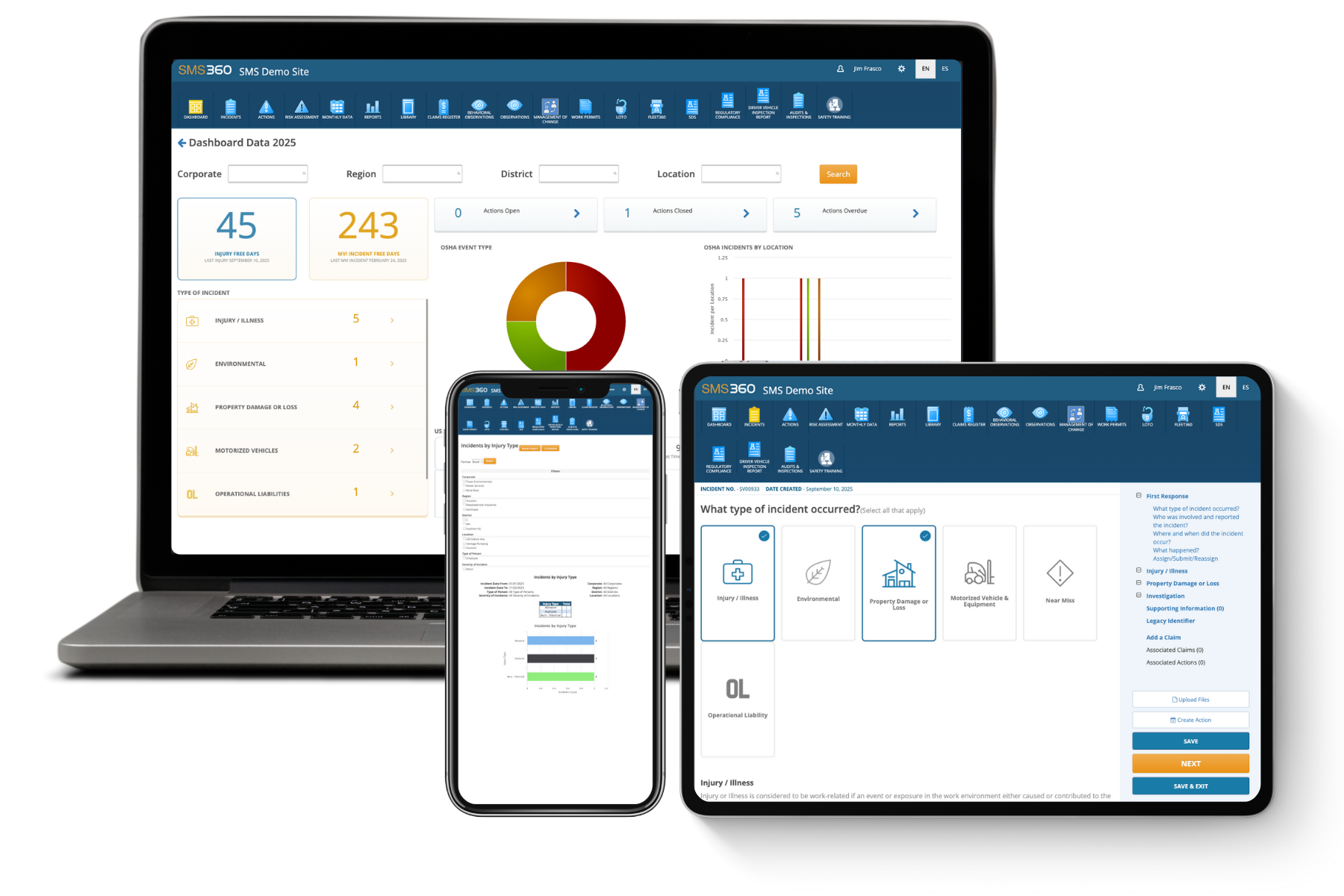
Manual processes can slow down response times and limit visibility. Digital safety platforms like SMS360 enable real-time incident reporting, centralized data tracking, and faster communication.
This allows safety teams to respond more effectively and identify patterns that may indicate broader risks.
Monitoring and Reporting Heat Stress Risks
The Importance of Real-Time Data
Heat stress risks can change rapidly based on environmental conditions and workload. Real-time data provides safety teams with the insights needed to make informed decisions.
Tracking incidents, near misses, and environmental conditions helps organizations identify trends and take proactive action.
Creating a Proactive Safety Strategy
Rather than reacting to incidents, organizations should focus on prevention. This involves continuous monitoring, regular inspections, and ongoing evaluation of safety practices.
A proactive approach not only reduces incidents but also improves overall operational efficiency.
Building a Heat Safety Culture
Leadership’s Role in Heat Safety
Leadership commitment is essential for any safety initiative. When leaders prioritize heat safety, it sends a clear message to employees that their well-being matters.
This includes setting expectations, allocating resources, and actively participating in safety programs.
Encouraging Employee Participation
Employees play a key role in identifying risks and preventing incidents. Encouraging open communication and providing easy-to-use reporting tools empowers workers to take ownership of safety.
When employees feel comfortable speaking up, organizations gain valuable insights that can improve safety outcomes.
How SMS360 Helps Manage Heat Stress Risks
SMS360 provides organizations with the tools needed to effectively manage heat stress and other workplace hazards.
With real-time reporting, mobile-first functionality, and centralized dashboards, safety teams can monitor conditions, track incidents, and respond quickly. The platform enables organizations to digitize inspections, streamline communication, and gain full visibility into safety performance.
By leveraging SMS360, organizations can move from reactive safety management to a proactive, data-driven approach that reduces risk and protects employees.
FAQs About Heat Stress in the Workplace
What is heat stress in the workplace?
Heat stress occurs when the body cannot regulate its temperature due to high heat, humidity, or physical exertion. This can lead to conditions such as heat exhaustion and heat stroke, which can be dangerous if not addressed quickly. Understanding heat stress is essential for preventing serious incidents and protecting employee health.
Who is most at risk for heat stress?
Workers in physically demanding roles or high-temperature environments are most at risk. This includes outdoor workers, employees in poorly ventilated indoor spaces, and individuals who are not acclimated to the heat. New employees and those returning from time away are particularly vulnerable.
How can employers prevent heat stress?
Employers can prevent heat stress by providing access to water, scheduling regular breaks, adjusting work hours, and offering proper training. Monitoring environmental conditions and using digital tools to track risks can also improve prevention efforts.
What are the signs of heat exhaustion and heat stroke?
Heat exhaustion symptoms include heavy sweating, weakness, dizziness, and nausea. Heat stroke symptoms are more severe and may include confusion, loss of consciousness, and high body temperature without sweating. Heat stroke requires immediate medical attention.
Why is heat stress considered a serious safety issue?
Heat stress can lead to severe health complications and increase the likelihood of workplace accidents. Fatigue, reduced concentration, and physical discomfort can all contribute to unsafe conditions. Addressing heat stress improves both safety and productivity.
How does technology improve heat safety management?
Technology enables real-time monitoring, faster reporting, and better data analysis. Platforms like SMS360 provide visibility into safety conditions, allowing organizations to identify risks early and respond more effectively. This leads to better decision-making and improved safety outcomes.
Conclusion
Heat stress is a serious and growing workplace risk that requires proactive management. By understanding the causes, recognizing the signs, and implementing effective prevention strategies, organizations can protect their employees and reduce the likelihood of incidents.
The most successful safety programs are those that combine education, technology, and strong leadership. With the right approach, heat stress can be managed effectively—creating a safer, more resilient workplace.