February may be the shortest month of the year, but it presents some of the most important—and often overlooked—opportunities for workplace safety. Between unpredictable winter weather, increased illness risks, and a renewed focus on planning for the year ahead, February is a critical time for organizations to reinforce safety practices and build momentum.
For safety leaders, this is not just about compliance—it’s about setting the tone for the rest of the year. The actions taken in February can influence incident rates, employee engagement, and long-term safety culture across your organization.
In this guide, we’ll break down the most important February safety topics, explain why they matter, and show how teams can take practical steps to improve safety outcomes.
Why February Matters for Workplace Safety
February sits at a unique intersection. The initial energy of the new year begins to settle, but operational risks remain high due to seasonal factors. Cold temperatures, shorter days, and increased fatigue can all contribute to higher incident rates.
At the same time, many organizations are finalizing budgets, rolling out new initiatives, and aligning teams on annual goals. This makes February the perfect time to reinforce safety priorities before habits and workflows become fixed for the year.
Safety programs introduced or reinforced during this period tend to have stronger adoption because teams are still open to change. This is especially important for organizations transitioning from manual processes to digital systems like SMS360, where early-year implementation can drive year-long impact.
Winter Weather Safety: Managing Cold Stress and Hazardous Conditions
Understanding Cold Stress Risks
Cold stress occurs when the body loses heat faster than it can produce it. This can lead to serious conditions such as hypothermia and frostbite, especially for outdoor workers or those in unheated environments.
Employees working in construction, transportation, logistics, and utilities are particularly vulnerable during February. Even indoor environments like warehouses can pose risks when temperatures drop significantly.
Preventing Slips, Trips, and Falls
One of the most common safety incidents during winter is slips and falls. Ice, snow, and wet surfaces create dangerous conditions both outdoors and inside facilities.
Organizations should focus on proactive hazard identification. Regular inspections, proper salting of walkways, and clear communication about high-risk areas can significantly reduce incidents.
Additionally, real-time reporting tools allow employees to quickly flag hazards before they result in injuries. This is where digital safety platforms become essential, enabling faster response times and better visibility across locations.
Illness Prevention and Workplace Health
Managing Seasonal Illness Risks
February is peak season for illnesses like influenza and other respiratory infections. These can impact productivity, increase absenteeism, and even create safety risks in environments where alertness is critical.
Encouraging employees to stay home when sick, promoting good hygiene practices, and maintaining clean workspaces are foundational steps. However, organizations should also consider how illness impacts operational safety.
Fatigue and reduced cognitive function due to illness can increase the likelihood of accidents. Safety teams should account for this when evaluating risk levels and staffing.
Supporting Employee Well-Being
Workplace safety goes beyond physical hazards. Mental and emotional well-being play a significant role in overall safety performance.
February can be a challenging time for employees due to seasonal fatigue and reduced daylight. Organizations that prioritize well-being initiatives often see improvements in engagement and a reduction in incidents.
Creating an environment where employees feel supported and heard contributes to a stronger safety culture. This includes open communication channels, accessible reporting systems, and leadership involvement.
Heart Health Awareness and Workplace Safety
The Connection Between Heart Health and Safety
February is widely recognized as American Heart Month. While this is often viewed as a general health initiative, it has direct implications for workplace safety.
Employees with underlying health conditions may face increased risks, particularly in physically demanding roles. Sudden medical events can also create hazards for both the individual and those around them.
Organizations should take this opportunity to educate employees about heart health, encourage regular check-ups, and promote healthy habits.
Emergency Preparedness for Cardiac Events
Being prepared for medical emergencies is a critical component of workplace safety. This includes having accessible automated external defibrillators (AEDs), trained personnel, and clear emergency response procedures.
Digital safety systems can help track training, ensure compliance, and provide quick access to emergency protocols. This level of preparedness can make a significant difference in critical situations.
Safety Training and Refreshers: Reinforcing Best Practices
Why Refresher Training Matters
Even experienced employees can become complacent over time. February is an ideal time to conduct refresher training sessions to reinforce key safety practices.
These sessions should focus on real-world scenarios and recent incidents within the organization. By making training relevant and practical, teams are more likely to retain information and apply it in their daily work.
Leveraging Digital Training Tools
Traditional training methods often rely on manual tracking and inconsistent delivery. Digital platforms like SMS360 enable organizations to standardize training, track completion, and ensure accountability.
With centralized systems, safety managers can identify gaps, monitor compliance, and ensure that all employees are up to date with required training.
Emergency Preparedness and Planning
Reviewing Emergency Response Plans
February is an excellent time to revisit emergency response plans and ensure they are current and effective. This includes procedures for weather-related events, medical emergencies, and operational disruptions.
Organizations should evaluate whether employees understand these plans and feel confident in their roles during an emergency.
Conducting Drills and Simulations
Practical drills help reinforce preparedness and identify potential gaps in response strategies. These exercises should simulate realistic scenarios and involve cross-functional teams.
By regularly testing emergency plans, organizations can improve response times and reduce the impact of unexpected events.
Workplace Inspections and Hazard Identification
The Importance of Proactive Inspections
Routine inspections are one of the most effective ways to prevent incidents. February is a good time to assess whether current inspection processes are thorough and consistent.
Organizations should focus on identifying recurring hazards and addressing root causes rather than just symptoms.
Improving Reporting and Visibility
One of the biggest challenges in safety management is lack of visibility. Without accurate and timely data, it becomes difficult to identify trends and take action.
Digital reporting tools allow employees to submit observations in real time, providing safety teams with actionable insights. This enables faster decision-making and more effective risk mitigation.
Building a Strong Safety Culture Early in the Year
Setting the Tone for 2026
The habits and practices established in the early months of the year often define long-term performance. February is a critical period for reinforcing expectations and aligning teams around safety goals.
Leadership plays a key role in this process. Visible commitment to safety initiatives encourages employees to prioritize safety in their daily activities.
Encouraging Employee Engagement
A strong safety culture requires active participation from all employees. Organizations should create opportunities for feedback, recognize safe behaviors, and involve employees in decision-making.
When employees feel ownership over safety initiatives, they are more likely to take proactive steps to prevent incidents.
How SMS360 Supports February Safety Initiatives
SMS360 provides organizations with the tools needed to effectively manage safety programs during February and beyond.
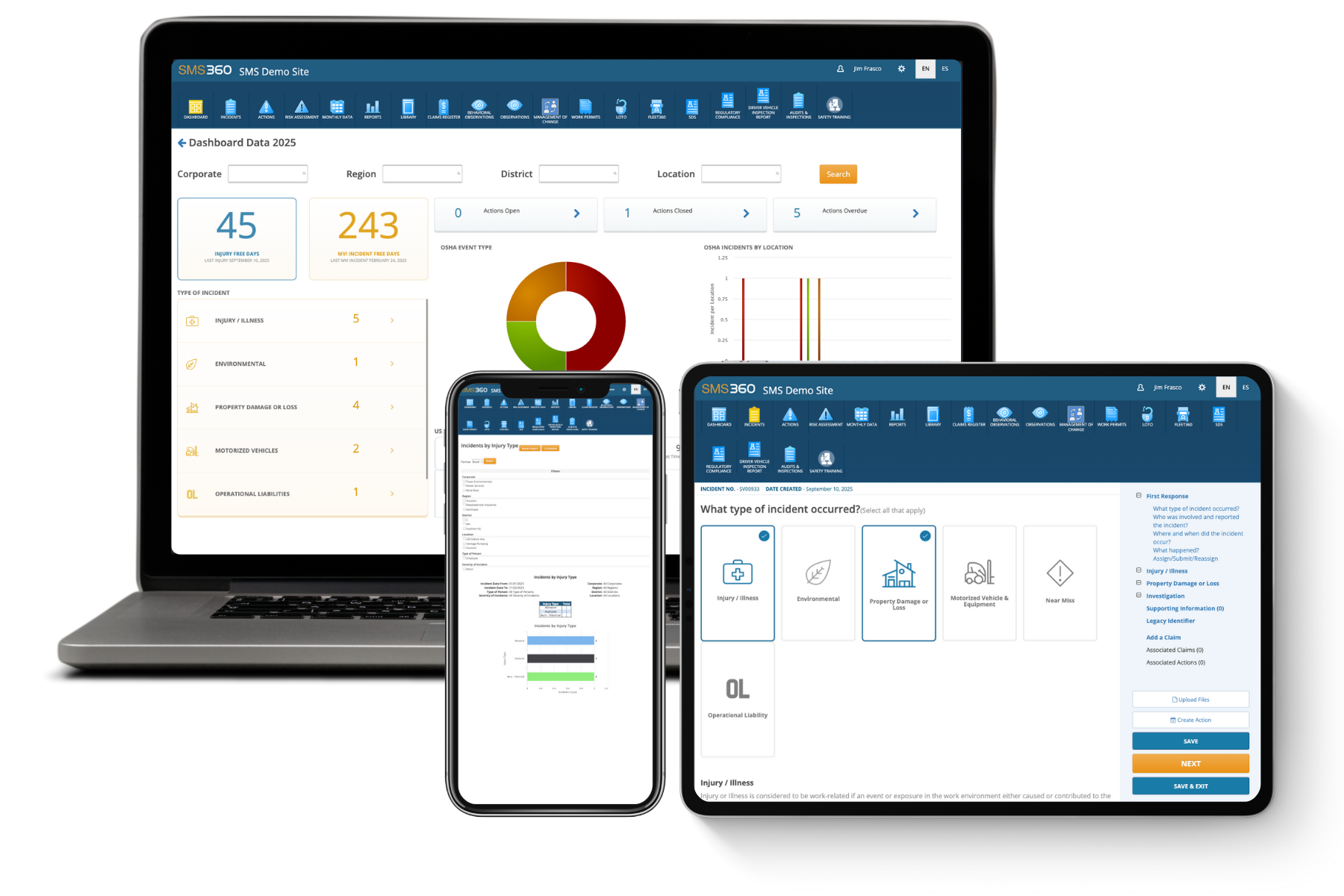
With features like real-time reporting, centralized dashboards, and mobile-first functionality, teams can quickly identify risks, track performance, and ensure compliance across all locations.
The platform also enables organizations to digitize workflows, streamline inspections, and improve communication between teams. This level of visibility and control is essential for maintaining a strong safety program.
By leveraging SMS360, organizations can move beyond reactive safety management and adopt a proactive, data-driven approach.
FAQs About February Safety Topics
What are the most important workplace safety topics in February?
February safety topics typically focus on winter weather hazards, illness prevention, heart health awareness, and emergency preparedness. These areas are particularly relevant due to seasonal conditions and increased health risks. Organizations should prioritize these topics to address both immediate risks and long-term safety goals.
How can organizations reduce winter-related workplace injuries?
Reducing winter-related injuries requires a combination of proactive planning and real-time response. This includes maintaining clear walkways, conducting regular inspections, and providing employees with appropriate training and equipment. Digital tools can enhance these efforts by enabling faster reporting and better visibility into potential hazards.
Why is illness prevention considered a safety issue?
Illness can significantly impact an employee’s ability to perform their job safely. Symptoms such as fatigue, dizziness, and reduced concentration increase the likelihood of accidents. By addressing illness prevention, organizations can improve both health outcomes and overall safety performance.
How often should safety training be refreshed?
Safety training should be refreshed regularly, with many organizations conducting sessions annually or semi-annually. However, refresher training may be needed more frequently in high-risk environments or following incidents. The key is to ensure that training remains relevant and reinforces critical safety practices.
What role does technology play in workplace safety?
Technology plays a crucial role in modern safety management. Digital platforms enable real-time reporting, centralized data management, and improved communication. This allows organizations to identify risks more quickly, track performance, and make informed decisions that enhance safety outcomes.
How can companies improve employee engagement in safety programs?
Improving engagement requires creating a culture where safety is valued and prioritized. This includes involving employees in decision-making, recognizing safe behaviors, and providing accessible tools for reporting and communication. When employees feel empowered, they are more likely to actively participate in safety initiatives.
Conclusion
February presents a unique opportunity for organizations to strengthen their safety programs and set the tone for the year ahead. By focusing on key topics like winter hazards, illness prevention, and emergency preparedness, safety leaders can address immediate risks while building a foundation for long-term success.
The organizations that succeed are those that move beyond reactive approaches and embrace proactive, data-driven strategies. With the right tools and mindset, February can become a turning point for workplace safety performance.