A clean kennel is the first thing pet owners notice, and the last thing most facilities think of as a safety risk. Dog daycares, boarding kennels, grooming salons and veterinary clinics disinfect constantly. Staff mop runs, scrub crates, sanitize water bowls and wash bedding many times a day.
That routine protects animals from parvovirus, kennel cough and other infections. It also exposes workers to concentrated chemicals, wet floors, heavy lifting and poor air quality, often for an entire shift. In a busy facility, the people doing the cleaning can face more day-to-day hazards than the people handling the dogs.
This guide covers the main cleaning and disinfection risks in pet care facilities and the practical controls that keep staff safe without lowering sanitation standards.
The Hidden Hazards of Keeping Pet Facilities Clean
Cleaning hazards in pet care build up slowly. A single mop shift rarely causes harm, but months of daily exposure can lead to skin problems, breathing issues and back injuries. The most common risks fall into five groups.
- Chemical exposure. Kennel disinfectants are strong by design. Bleach, quaternary ammonium compounds ("quats"), accelerated hydrogen peroxide and peroxymonosulfate products can burn skin and eyes and irritate the lungs, especially when used undiluted or in the wrong ratio.
- Dangerous mixing. Bleach combined with ammonia-based cleaners releases chloramine gas. Bleach mixed with acidic products releases chlorine gas. Both can happen by accident when staff pour one product into a bucket still holding another, or spray urine-soaked areas (which contain ammonia) with bleach.
- Slips and falls. Hosed-down runs, mopped lobbies and wet grooming floors stay slick for long stretches. Add dog hair, shampoo residue and a dog pulling on a leash, and falls become one of the most frequent injuries in the industry.
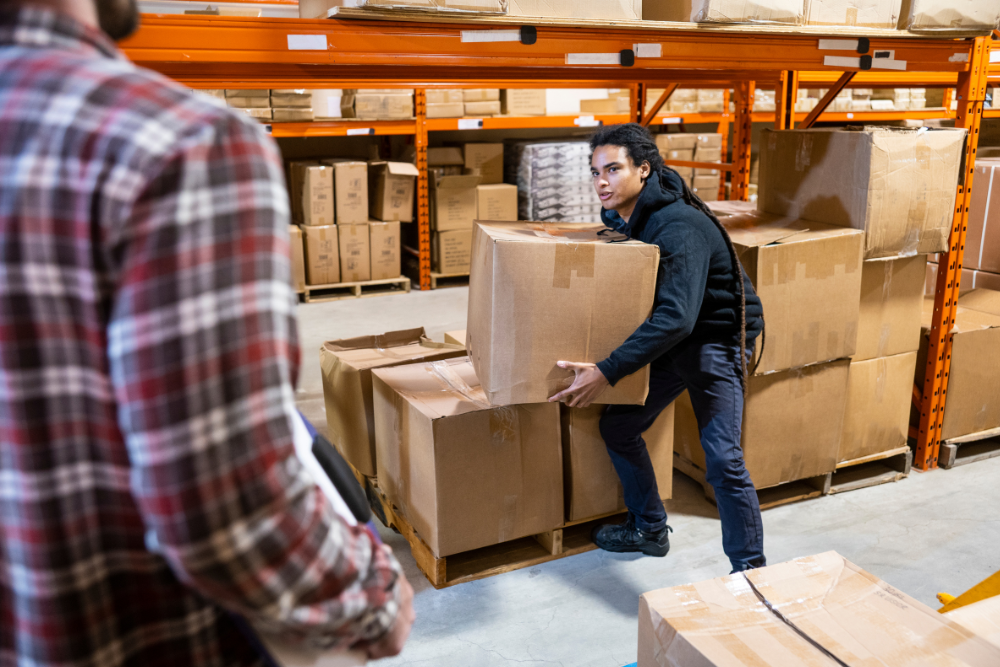
- Strain and overexertion. Lifting full buckets, dragging hoses, carrying heavy bags of laundry and bending to scrub low crates puts repeated stress on the back, shoulders and wrists.
- Biological contact. Waste cleanup can expose staff to zoonotic organisms such as ringworm, giardia, salmonella and leptospira. Cleaning is when this exposure happens most, because workers handle feces, urine and vomit directly.
The good news is that each of these hazards has well-understood controls. Most cost little and fit into routines your team already follows.
Know Your Chemicals: Safety Data Sheets, Labels and Safe Mixing
Every disinfectant in your facility should have a current Safety Data Sheet (SDS) that staff can reach within seconds. OSHA's Hazard Communication Standard requires employers to keep these sheets accessible, label containers correctly and train workers on the hazards of the chemicals they use.
An SDS answers the questions that matter during a shift: what PPE to wear, what to do after a splash in the eye, which products must never be combined, and how to store the container. A binder in the manager's office does not count as accessible if the cleaning crew works on the other side of the building. Many facilities keep a digital SDS library on a tablet or phone so staff can search by product name.
Rules for safer chemical use
- Use one disinfectant system where you can. Fewer products means fewer chances for a dangerous combination and simpler training.
- Dilute with measuring tools, not guesswork. A wall-mounted dilution system or marked measuring cups keeps concentrations at the label rate. Stronger is not cleaner; it only raises exposure and can leave residue that irritates paws and skin.
- Label every secondary container. Spray bottles and buckets need the product name and hazard information. An unlabeled bottle of clear liquid is how mixing accidents start.
- Rinse between products. If a protocol uses a detergent before a disinfectant, rinse the surface and the bucket in between.
- Respect contact time. Each disinfectant needs a set number of minutes on a surface to work. Posting contact times by the dilution station stops staff from re-spraying or switching products when a surface "doesn't seem clean yet."
- Store chemicals by compatibility. Keep oxidizers such as bleach away from acids and ammonia products, on low shelves, in a ventilated area away from food and animal areas.
When a new product arrives, add its SDS to the library and walk the team through it before the first bottle is opened.
PPE for Kennel Cleaning
Personal protective equipment is the last line of defense, but in pet care it carries more weight than in most settings, because cleaning involves direct contact with both chemicals and animal waste. The right gear depends on the task and the product's SDS.
Task
Recommended PPE
Mixing or diluting concentrate
Chemical-resistant gloves (nitrile or neoprene), splash goggles, apron
Spraying or mopping runs
Nitrile gloves, safety glasses or goggles, slip-resistant waterproof boots
Hosing kennels
Goggles or face shield, waterproof boots, water-resistant apron
Waste and vomit cleanup
Disposable gloves, eye protection if splashing is possible
Cleaning after a contagious case
Disposable gown, gloves, shoe covers, eye protection
A few habits make PPE work in practice:
- Fit matters. Gloves that are too large slip, and goggles that fog get pushed onto foreheads. Stock several sizes and anti-fog eyewear.
- Change gloves between areas. Moving from an isolation ward to the play yard in the same gloves spreads disease and defeats the purpose of disinfecting.
- Footwear is PPE. Slip-resistant, waterproof boots prevent more injuries in a kennel than almost any other item on this list.
- Make it easy. Keep PPE at each cleaning station, not in a single supply closet. If gear is a walk away, staff skip it on busy days.
Remember that PPE supports other controls; it does not replace them. Correct dilution, good ventilation and safe storage reduce how much protection staff need in the first place.
Ventilation, Wet Floors and Ergonomics
Keep the air moving
Kennels are often enclosed, humid spaces, and disinfectant vapors build up quickly when runs are sprayed back to back. Strong odors, coughing or watery eyes are signs that air exchange is too low. Exhaust fans, open bay doors during cleaning, and scheduling heavy disinfection when fewer animals and staff are in the room all help. Avoid aerosolizing chemicals with high-pressure sprayers in tight spaces; low-pressure application or foaming reduces what workers breathe in. Ventilation protects animals too, since dogs and cats are sensitive to fumes at floor level.
Control wet floors
- Use squeegees to push water to drains right after hosing instead of letting floors air-dry.
- Post wet-floor signs at every entrance to a freshly cleaned area, and close off walkways during mopping when possible.
- Install anti-slip matting or textured epoxy flooring in grooming rooms, bathing areas and kennel aisles.
- Clean in sections so a dry path is always available, especially when staff walk dogs through.
- Keep drains clear of hair so water does not pool.
Reduce strain
Cleaning involves the same motions hundreds of times a week. Small changes add up:
- Use wheeled mop buckets and hose reels instead of carrying water and dragging hoses.
- Choose long-handled scrub brushes and extendable tools so staff are not kneeling to reach crate floors.
- Fill buckets only halfway and empty them at floor drains rather than lifting them into sinks.
- Use laundry carts for bedding and towels, and split heavy loads.
- Rotate tasks during a shift so no one spends four straight hours scrubbing.
Building a Safe Cleaning Protocol
The safest facilities treat cleaning as a defined process, not a task squeezed in between check-ins. A written protocol makes expectations clear and gives new hires a consistent standard from day one.
A strong cleaning protocol includes:
- A cleaning schedule by area. List what gets cleaned, how often, with which product and at what dilution: suites and runs, play yards, grooming tables, bowls, laundry and isolation rooms.
- Step-by-step procedures. Remove waste first, clean with detergent, rinse, apply disinfectant, wait the full contact time, then rinse or dry as the label directs.
- An isolation plan. Clean areas holding sick animals last, with dedicated tools and disposable PPE, so pathogens are not carried into healthy areas.
- Spill and exposure response. Post first-aid steps for chemical splashes, keep an eyewash station near the dilution area, and make sure staff know how to report an exposure or near miss.
- Inspections and records. Daily checklists signed by the person cleaning, plus periodic walk-throughs by a manager, show what is working and where shortcuts are happening.
Top-tier operations show how this works in practice. A luxury dog resort with private suites, splash areas and daily play groups has to stay spotless for guests and their owners. That level of cleanliness is only sustainable when the team behind it has the right tools, training and time to clean safely.
Train, then train again
Training should happen at hire, whenever a new product or procedure is introduced, and at least once a year. Cover how to read an SDS, correct dilution, PPE selection, the products that must never be mixed, and how to report injuries. Short refreshers during team huddles keep the basics top of mind, especially in an industry with high staff turnover.
Digital safety tools make this easier to manage. A safety management platform can store SDS files, assign training, track completion, and let staff log hazards or incidents from a phone. Managers can then spot patterns, such as repeated slips in one hallway, and fix the cause.
Clean Kennels, Safe Teams
Sanitation and worker safety are not competing goals. Correct dilution protects both pets and people. Good ventilation keeps the air healthy for everyone in the building. Slip-resistant floors and smarter tools keep staff on the job and reduce workers' compensation claims.
Pet owners judge a facility by how clean it looks and smells. Behind every spotless suite is a team handling chemicals, water and waste all day. Giving them clear protocols, proper PPE and ongoing training is the most reliable way to keep both the kennels and the people cleaning them in top condition.