What Are Safety Observations?
Safety observations are structured assessments carried out by supervisors, safety managers, or trained employees to spot potential hazards before they lead to accidents. These reviews focus on monitoring workplace behaviors, conditions, and processes to ensure compliance with safety standards and regulatory requirements.
By documenting unsafe practices and recommending corrective actions, safety observations help organizations strengthen their safety culture and lower the likelihood of workplace injuries.
How Are Safety Observations Reported?
Safety observations are usually submitted by supervisors, managers, or designated safety officers. The purpose is to log hazards, unsafe behaviors, or positive safety practices that may otherwise go unnoticed.
Reporting can be done in several ways, such as:
- Paper-based checklists or forms
- Mobile applications for real-time reporting
- Online safety portals integrated with company systems
- Dedicated phone lines for urgent issues
The method depends on the organization’s safety management system and available tools.
Why Do Safety Observations Matter?
Workplace safety observations serve both employees and employers by creating a proactive defense against risks. Their benefits include:
- Identifying unsafe acts before they escalate into incidents
- Collecting actionable data to refine safety programs
- Supporting compliance with legal and regulatory standards
- Encouraging employee participation in safety initiatives
When done consistently, they play a vital role in preventing accidents and fostering a safer work environment.
Safety Observation vs. Near Miss
It’s easy to confuse these two terms, but they serve different purposes:
- Safety Observation: A proactive activity where hazards or risky behaviors are identified before harm occurs.
- Near Miss: An unplanned event that could have caused an accident but didn’t, often reported by employees who witness unsafe conditions.
In short, safety observations anticipate problems, while near misses reveal how close the organization came to an actual incident. Both are valuable for building a stronger safety system.
How to Conduct Effective Safety Observations
Conducting a thorough safety observation involves several steps:
- Prepare – Identify key hazards and outline observation goals.
- Observe – Watch workplace activities closely using a checklist or template.
- Document – Record unsafe or safe practices, location, time, and conditions.
- Recommend – Suggest corrective or preventive measures.
- Follow Up – Ensure corrective actions are actually implemented.
The process should be systematic and repeated regularly to stay effective.
Writing a Quality Safety Observation Report
A strong report is detailed and actionable. Include:
- Exact date, time, and location
- Clear description of the condition or behavior observed
- Contributing factors (e.g., lack of PPE, poor housekeeping)
- Suggested corrective actions
Well-documented reports make it easier for management to take swift action.
The Safety Observation Process
The process typically includes:
- Planning – Identify risks and assign trained observers.
- Observation – Monitor employees and workspaces with a structured checklist.
- Recording – Note findings in detail, both positive and negative.
- Communication – Share results with staff and management.
- Action & Follow-up – Verify that corrective measures are applied.
This cycle helps organizations improve safety performance over time.
Safety Observation Checklist
A safety observation checklist acts as a guide to ensure consistency. It often includes items such as:
- Use of PPE (helmets, goggles, gloves, etc.)
- Correct machine operation and guarding
- Housekeeping and walkways free of clutter
- Proper lifting techniques
- Fire and electrical hazard controls
- Emergency preparedness drills
Tailoring the checklist to your workplace ensures better results.
Common Examples of Safety Observations
Here are some frequent items noted during observations:
- Workers not wearing protective eyewear
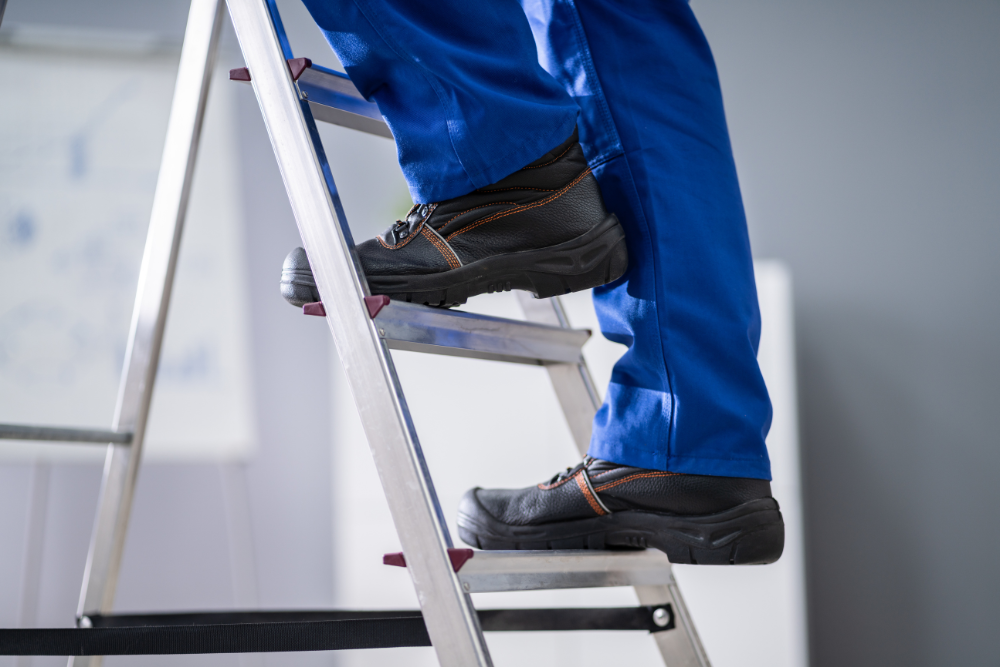
- Proper vs. unsafe use of ladders and scaffolds
- Slips, trips, and falls due to poor housekeeping
- Incorrect manual handling of heavy loads
- Exposed electrical wiring
- Failure to follow lockout/tagout procedures
Highlighting both positive behaviors and unsafe practices provides a balanced picture.
Safety Observations by Workplace Type
Construction Sites
- Fire prevention measures
- Safe use of scaffolding and ladders
- Barricades, fencing, and signage
- Heavy equipment handling
- PPE usage such as masks, helmets, and gloves
Office Environments
- Slips and trips from cables or spills
- Organized vs. cluttered desks
- Safe lifting when handling boxes
- Clear access to emergency exits
Factories & Warehouses
- Machine operation and guarding
- Proper chemical storage
- Worker fatigue and breaks
- Heat exposure risks
- Safe stacking of materials
Driving & Transportation
- Seatbelt compliance
- Speed limits and safe distances
- Distraction-free driving
- Vehicle inspections (brakes, tires, mirrors)
Safety Observations vs. Safety Audits
While safety observations are continuous, day-to-day reviews, safety audits are larger evaluations. Audits look at broader safety programs, documentation, and compliance strategies, often conducted by external auditors. Both complement each other to ensure full coverage.
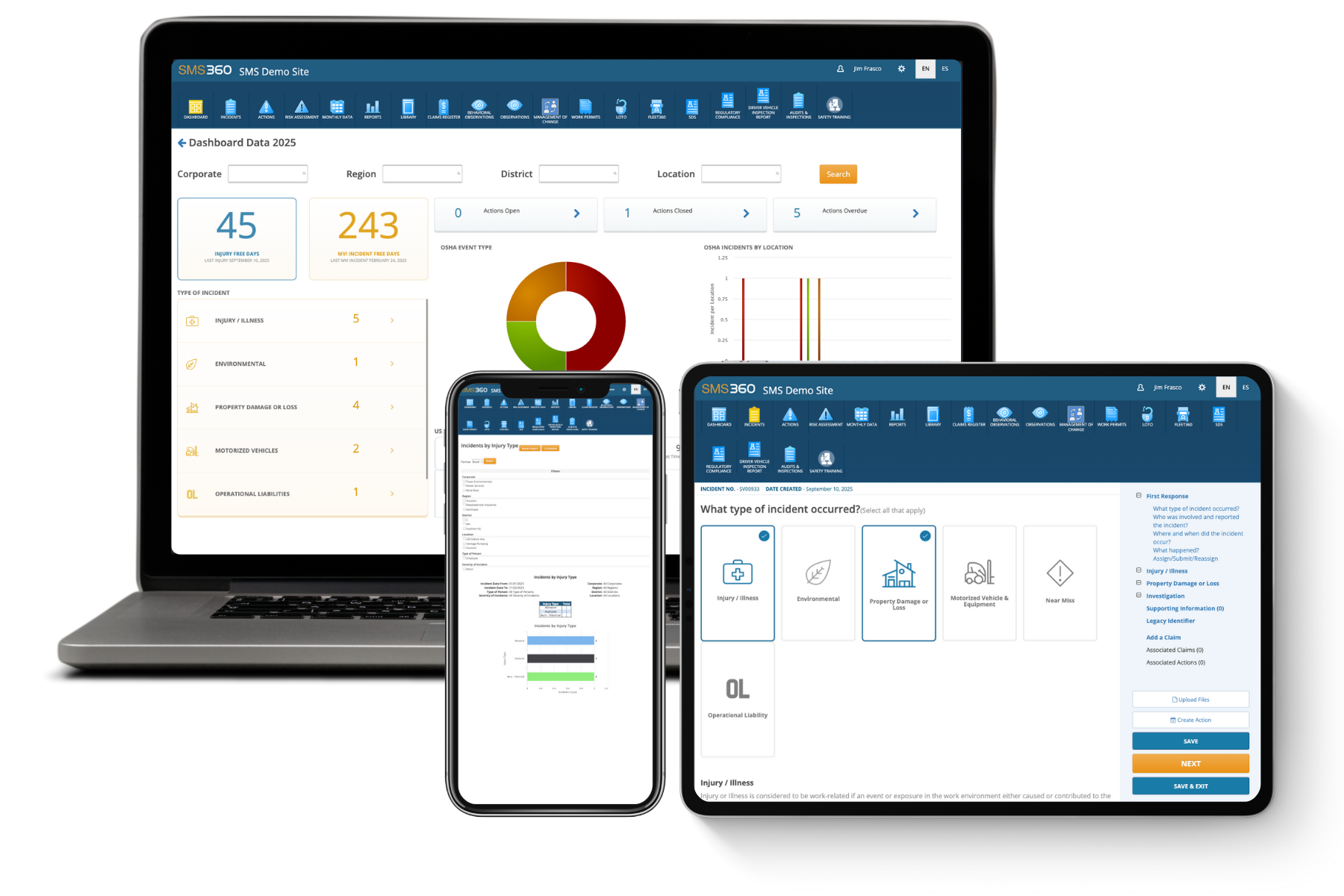
Using SMS360 for Safety Observations
Modern tools like SMS360 simplify the safety observation process. With SMS360, organizations can:
- Report hazards quickly via mobile or desktop
- Track progress on corrective actions in real time
- Analyze safety trends with dashboards and reports
- Encourage employee engagement by making reporting easy
This streamlined system saves time, improves accuracy, and helps companies stay compliant while building a proactive safety culture.