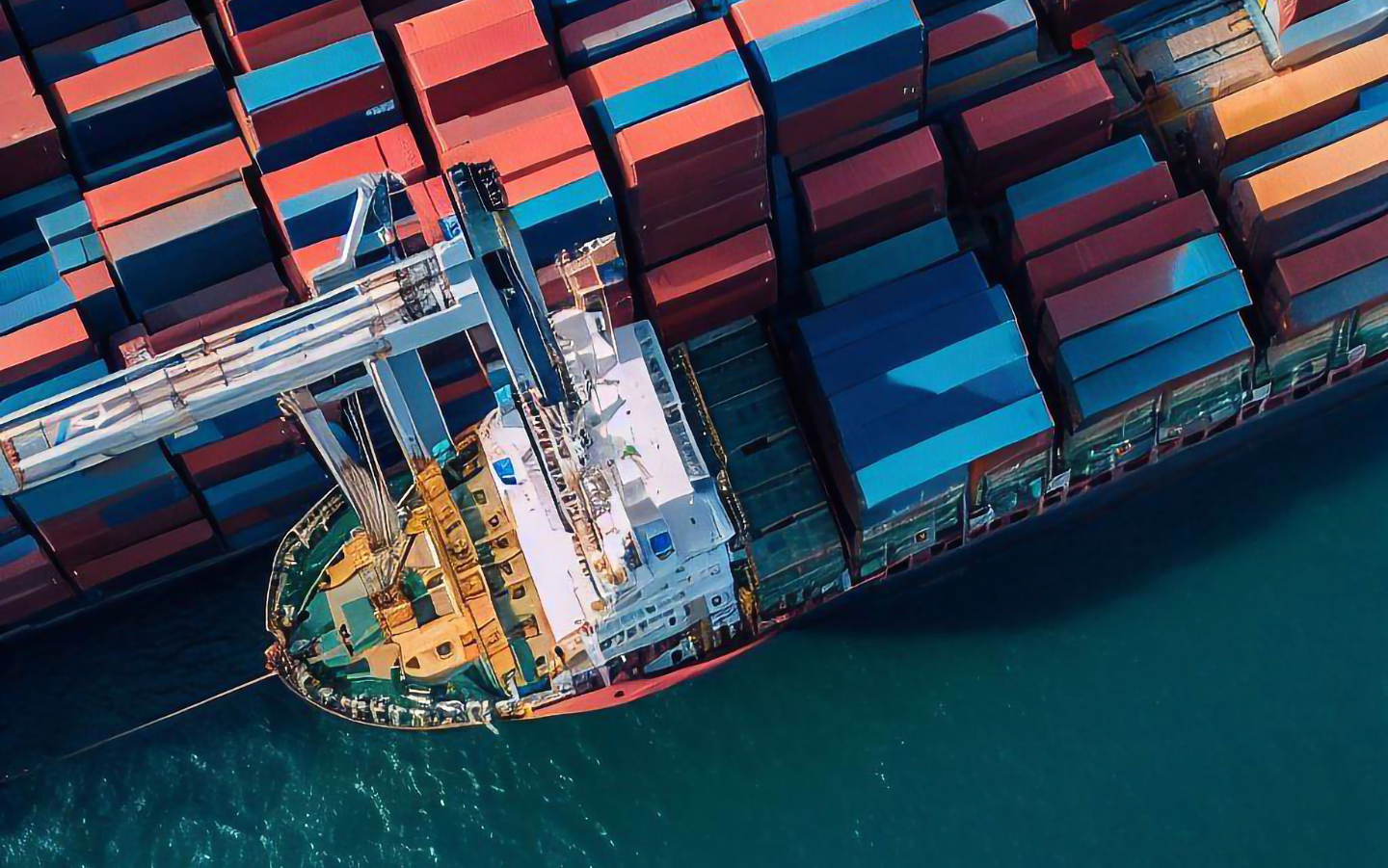
Maritime operations are the backbone of global commerce, offshore energy production, and industrial infrastructure. Every day, vessels transport cargo across oceans, offshore platforms extract energy resources, and marine construction teams build and maintain critical infrastructure. Behind these operations are thousands of workers performing complex, high-risk tasks in dynamic and often unpredictable environments. Maritime safety management exists to protect these workers, ensure operational continuity, and prevent incidents that can have devastating human, financial, and environmental consequences.
Unlike land-based operations, maritime environments introduce layers of risk that are constantly changing. Weather conditions shift rapidly, vessel movement affects stability and equipment handling, and crews often operate remotely without immediate access to external support. These conditions make proactive safety management essential. Maritime safety is not simply about compliance with regulations. It is about creating systems that allow organizations to identify hazards early, respond quickly to incidents, and continuously improve safety performance.
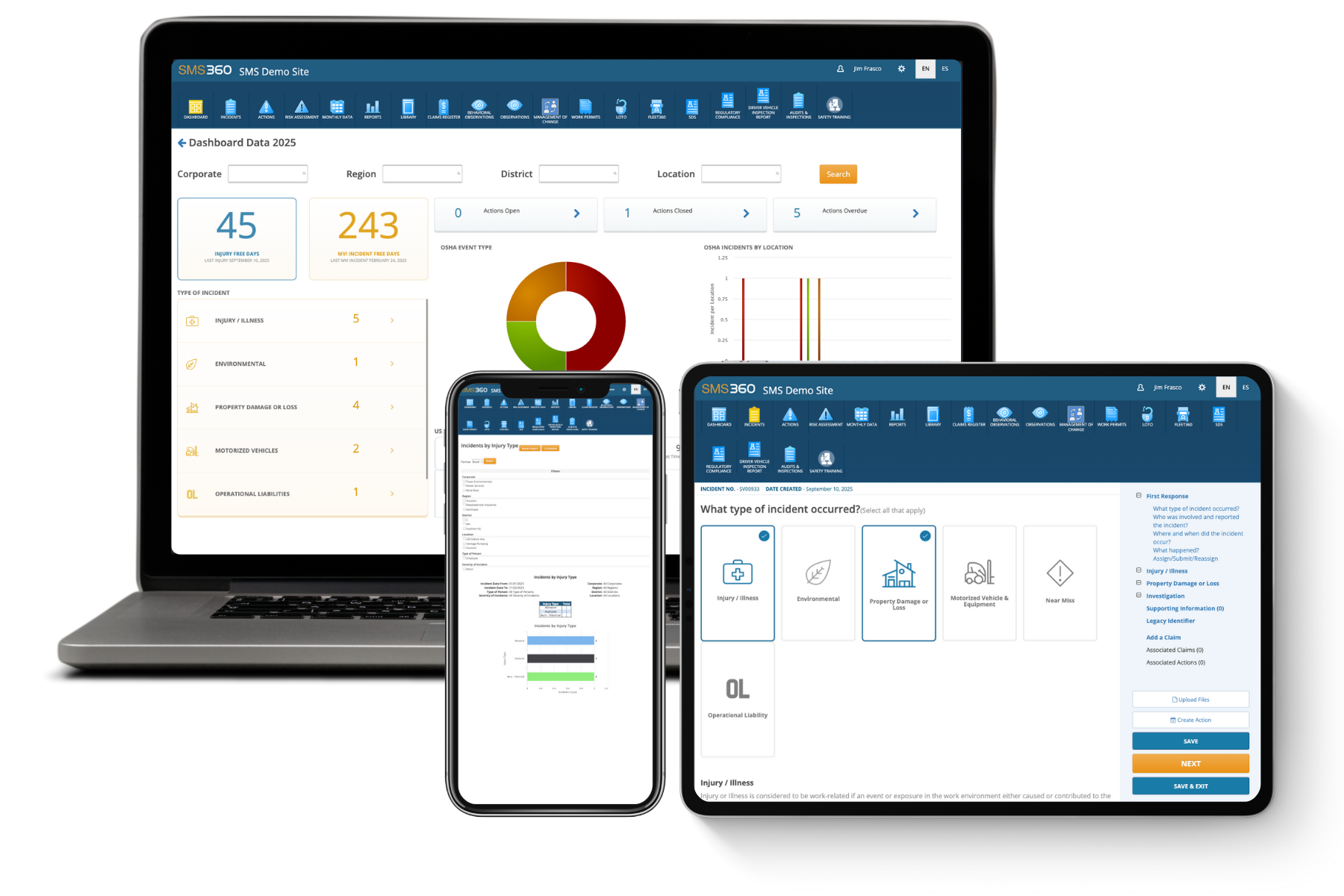
Modern maritime safety management has evolved beyond paper forms and disconnected spreadsheets. Digital safety platforms like SMS360 allow maritime organizations to centralize safety processes, improve reporting speed, and gain real-time visibility into safety performance across vessels and operations. These capabilities are transforming how maritime companies prevent incidents, manage compliance, and protect their workforce.
Why Maritime Safety Management Is More Complex Than Traditional Workplace Safety
Maritime safety management presents challenges that go far beyond those found in traditional workplaces. While land-based operations operate within controlled environments, maritime operations exist within constantly changing physical conditions that introduce unique hazards and operational complexities.
Environmental Conditions Create Constantly Changing Risk
One of the defining characteristics of maritime operations is environmental unpredictability. Crews must contend with waves, wind, visibility limitations, and changing weather conditions that can directly impact safety. Tasks that may be routine under calm conditions can quickly become hazardous when environmental factors shift. Equipment handling, vessel navigation, and personnel movement all become more dangerous when stability is affected.
This dynamic environment means safety cannot rely solely on static procedures. Maritime organizations must continuously assess conditions and ensure safety systems allow for real-time reporting and decision-making.
Isolation and Remote Operations Increase Incident Severity Risk
Many maritime operations occur far from immediate medical support or emergency services. Offshore vessels, rigs, and remote marine construction sites may be hours away from the nearest port or response team. When incidents occur in these environments, the ability to respond quickly is critical.
Delays in reporting incidents or identifying hazards can significantly increase the severity of outcomes. This is why rapid incident reporting and communication systems are essential components of modern maritime safety management.
Operational Complexity Requires Coordinated Safety Oversight
Maritime operations often involve multiple teams working simultaneously, including vessel crews, contractors, engineers, and offshore personnel. Each group may have different responsibilities, procedures, and safety exposures.
Without centralized safety management, maintaining consistency across crews and operations becomes difficult. This lack of coordination can lead to gaps in safety procedures, inconsistent reporting, and increased incident risk.
The Financial, Operational, and Human Cost of Maritime Safety Incidents
Maritime safety incidents carry consequences that extend far beyond the immediate event. While protecting workers is the primary priority, safety incidents also have significant operational and financial implications.
Worker Injuries Affect Individuals, Families, and Organizational Stability
When maritime workers are injured, the consequences are deeply personal. Injuries can affect long-term health, income stability, and quality of life. From an organizational perspective, injuries affect workforce morale, productivity, and operational continuity.
Companies with strong safety programs experience fewer injuries and higher workforce confidence, which directly impacts operational performance.
Operational Disruptions Can Delay Critical Projects
Safety incidents often halt operations while investigations occur and corrective actions are implemented. These disruptions can delay shipments, interrupt offshore production, and affect project timelines.
For maritime companies operating in competitive environments, downtime can result in significant financial losses.
Regulatory Violations Can Lead to Fines and Compliance Actions
Maritime organizations operate under strict regulatory oversight. Failure to maintain proper safety documentation, inspections, or compliance processes can result in regulatory penalties.
Maintaining compliance requires accurate safety records, inspection histories, and incident documentation. Digital safety management systems help ensure organizations maintain this documentation consistently.
How Incident Reporting Drives Maritime Safety Improvement
Incident reporting is one of the most important components of maritime safety management. However, traditional reporting methods often create delays and limit visibility.
Delayed Reporting Prevents Timely Hazard Mitigation
When incidents are reported hours or days after they occur, organizations lose the ability to address hazards immediately. This delay increases the likelihood of repeat incidents and limits the effectiveness of safety interventions.
Digital safety platforms allow crews to report incidents immediately, improving response time and hazard mitigation.
Near Miss Reporting Provides Critical Preventive Insights
Near misses are often overlooked, but they provide valuable insights into potential hazards. When near misses are captured and analyzed, organizations can identify patterns and address risks before injuries occur.
A strong maritime safety program encourages reporting of all incidents, including near misses.
Investigation and Root Cause Analysis Improve Long-Term Safety
Effective incident investigations help organizations understand why incidents occur. Root cause analysis allows safety leaders to address systemic issues rather than only treating symptoms.
Safety software ensures incident data is captured consistently and can be analyzed over time.
Why Compliance Management Is Critical for Maritime Operators
Maritime safety compliance involves maintaining detailed records of inspections, training, incidents, and corrective actions. Managing this manually increases risk and administrative burden.
Compliance Requires Accurate Documentation and Traceability
Regulatory agencies require maritime organizations to maintain documentation that demonstrates compliance. This includes training records, safety inspections, and incident reports.
Without centralized systems, maintaining this documentation becomes difficult. Maritime organizations must be prepared for safety audits. Digital safety management systems allow organizations to quickly access safety records, reducing audit preparation time. Compliance is not only about avoiding fines. It helps ensure safety procedures are followed consistently, reducing operational risk.
Digital safety management platforms provide maritime organizations with tools to manage safety proactively. Mobile reporting tools allow crews to report incidents immediately. This improves response time and ensures accurate reporting.Safety leaders can monitor safety performance across vessels and operations. This visibility allows organizations to identify trends and address risks proactively. Digital systems assign corrective actions and track completion. This ensures safety issues are addressed consistently.
Frequently Asked Questions About Maritime Safety Management
What is maritime safety management and why is it essential for maritime organizations?
Maritime safety management refers to the structured processes, systems, and policies organizations use to protect crew members, vessels, cargo, and the environment from harm. It provides a framework for identifying hazards, reporting incidents, conducting investigations, and ensuring safety procedures are consistently followed across operations. Because maritime environments are dynamic and often unpredictable, safety management helps organizations maintain control over risk even when conditions change rapidly. Without a formal safety management system, incidents are more likely to occur due to inconsistent procedures, delayed reporting, or lack of visibility. Effective maritime safety management also supports regulatory compliance and operational efficiency, helping organizations protect their workforce while maintaining uninterrupted operations. Ultimately, it enables companies to move from reacting to incidents toward proactively preventing them.
What are the most common safety risks in maritime operations?
Maritime operations expose workers to a wide range of hazards that are not present in traditional workplaces. Slips, trips, and falls are among the most common incidents due to wet surfaces, vessel movement, and environmental conditions. Equipment-related injuries also occur frequently, especially when handling heavy machinery, cargo, or mechanical systems in confined spaces. Fatigue is another major risk, particularly for crews working long shifts or extended offshore rotations, as it can impair judgment and reaction time. Environmental hazards such as severe weather, rough seas, and poor visibility further increase the likelihood of incidents. Because these risks are inherent to maritime operations, organizations must rely on proactive safety systems, continuous monitoring, and strong reporting cultures to reduce exposure and prevent injuries.
How does maritime safety software improve safety performance?
Maritime safety software improves safety performance by giving organizations real-time visibility into safety activities across vessels and operations. Instead of relying on paper forms or delayed reports, crews can immediately document incidents, hazards, and inspections using digital tools. This allows safety managers to respond quickly, address hazards faster, and prevent similar incidents from occurring. Over time, safety software also provides valuable data that helps organizations identify trends, recurring issues, and high-risk areas. This insight allows leadership to make informed decisions and strengthen safety procedures based on actual operational data. By improving reporting speed, accountability, and visibility, maritime safety software helps organizations create safer working environments and reduce incident rates.
Why is incident reporting so important in maritime safety?
Incident reporting is critical because it provides the information organizations need to understand and manage safety risks. When incidents are reported quickly and accurately, safety teams can investigate the root cause and implement corrective actions before similar events occur. Reporting also helps organizations identify patterns that may not be obvious from isolated incidents, such as recurring equipment failures or unsafe conditions. Without consistent reporting, hazards can remain unaddressed, increasing the likelihood of serious injuries or operational disruptions. Incident reporting also plays an important role in regulatory compliance, as maritime organizations are required to maintain accurate safety records. Ultimately, strong reporting practices create a foundation for continuous safety improvement and risk prevention.
How can maritime organizations build a stronger safety culture?
Building a strong safety culture requires commitment from leadership, clear safety processes, and tools that make it easy for workers to participate in safety programs. When leaders actively monitor safety performance and communicate its importance, employees are more likely to prioritize safety in their daily work. Providing simple and accessible reporting tools encourages crews to report hazards and incidents without hesitation. Training and communication also play a key role in ensuring workers understand safety expectations and procedures. Over time, organizations that consistently reinforce safety practices and use safety data to drive improvements create environments where safety becomes part of everyday operations. This not only reduces incidents but also improves employee confidence, operational reliability, and overall performance.
Take Control of Maritime Safety with SMS360
See how our maritime EHS software helps you manage incidents, inspections, and compliance across vessels and shore operations — all in one place.