Understanding the Role of Safety Management Systems in Risk Reduction
Safety Management Systems are crucial for reducing risks in the workplace. By implementing these systems, organizations can significantly minimize incidents and enhance overall safety. But what exactly are these systems, and how do they help in risk management?
The Basics of Safety Management Systems
Safety Management Systems (SMS) are structured frameworks that help organizations manage safety risks effectively. They encompass policies, procedures, and practices aimed at fostering a safety culture. Here’s what they typically include:
- Risk Assessment: Identifying potential hazards and evaluating their impact.
- Safety Policies: Defining clear policies that outline safety objectives.
- Training Programs: Educating employees about safety practices and emergency procedures.
- Incident Reporting: Establishing systems for reporting and investigating incidents.
- Continuous Improvement: Regularly updating practices based on feedback and new insights.
Implementing Risk Management Strategies with SMS
Implementing risk management strategies is key in any organization, and Safety Management Systems play a pivotal role in that process.
One effective method is through risk analysis. This involves:
- Identifying risks by observing workplace activities.
- Evaluating the likelihood and severity of these risks.
- Implementing control measures to mitigate identified risks.
A real-world example can be seen in construction companies. By adopting a comprehensive SMS, they have drastically reduced accidents on sites. For instance, a construction firm in Texas reported a 40% reduction in workplace injuries after implementing their Safety Management System.
Benefits of Safety Management Systems
Beyond just lowering risks, there are numerous benefits to investing in SMS:
- Increases Compliance: Ensures adherence to legal and industry safety regulations.
- Boosts Employee Morale: Shows employees that their safety is a priority, leading to higher job satisfaction.
- Cost Savings: Reduces costs associated with accidents, injuries, and insurance claims.
- Enhances Reputation: Establishes a good safety record that can be appealing to clients and stakeholders.
Safety Automation Software: A Modern Approach to Safety Management
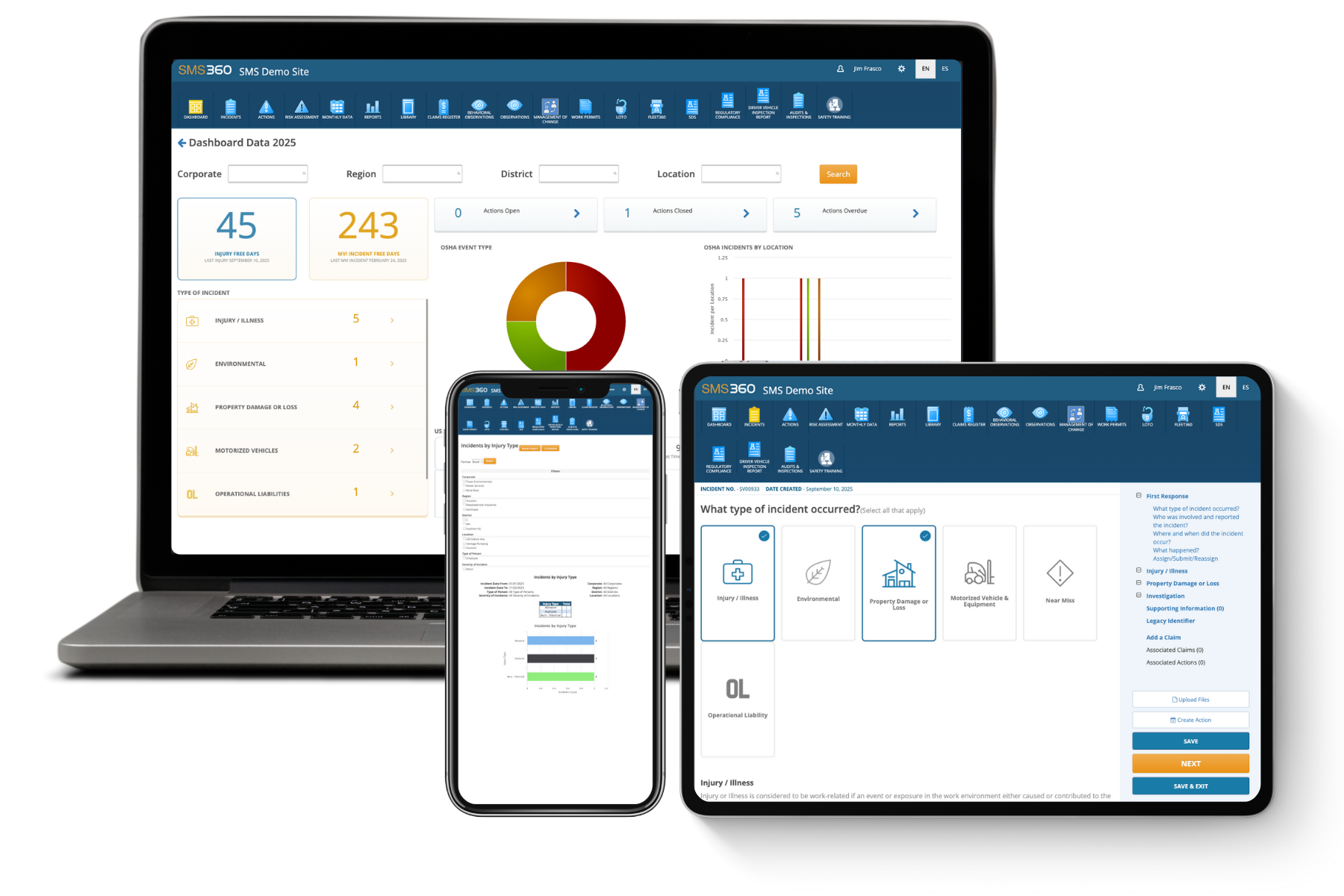
With advancements in technology, Safety Automation Software has become a game changer for many organizations. These tools streamline the implementation of Safety Management Systems by:
- Automating reporting and compliance tracking.
- Providing real-time data analytics for informed decision-making.
- Facilitating training and onboarding through digital platforms.
For example, a manufacturing company recently adopted an SMS integrated with automation software, significantly improving their incident response time. This allowed them to address issues rapidly, reducing potential hazards.
Case Study: Real Results with SMS
Let’s look at the story of a logistics company that implemented a Safety Management System:
The company faced multiple compliance issues leading to fines. Post-implementation of an SMS:
- Compliance rates increased from 60% to 95% within a year.
- Accident rates dropped by 50%.
- Employee satisfaction surveys showed improved sentiment towards workplace safety.
This transformation highlights how effective Safety Management Systems can be in nurturing a safer work environment.
Transforming Safety Culture with SMS
Creating a proactive safety culture is essential in today’s workplace. A strong Safety Management System can help organizations build this culture. Here are some tips:
- Engage employees in safety discussions to raise awareness.
- Recognize and reward safe behaviors in the workplace.
- Use feedback to continuously improve safety protocols.
By cultivating a safety-first mentality, companies not only protect their employees but also enhance operational performance.
Interested in taking your organization’s safety to the next level? Explore SMS360’s comprehensive safety and compliance software to help you manage risks effectively and enhance safety in your workplace. Don’t wait for an incident to happen—start reducing risks today with effective Safety Management Systems!
FAQ
1. What are the key components of a Safety Management System?
A Safety Management System typically includes risk assessments, safety policies, training programs, incident reporting mechanisms, and a focus on continuous improvement.
2. How does a Safety Management System improve workplace safety?
By systematically identifying and mitigating risks, an SMS can reduce incidents and injuries, resulting in a safer workplace for all employees.
3. What role does technology play in Safety Management Systems?
Technology, especially Safety Automation Software, helps in automating reporting, tracking compliance, and analyzing safety data, making it easier to manage safety practices.