Hazard communication is one of the most critical elements of any workplace safety program. When employees understand the hazards they may encounter on the job, they are far better equipped to prevent injuries, protect coworkers, and respond effectively in emergencies.
Across industries—from manufacturing and construction to healthcare and logistics—workers routinely interact with hazardous chemicals, materials, and processes. Without proper communication, these hazards can lead to serious injuries, chemical exposure, fires, and environmental incidents.
Hazard communication programs ensure that employees are informed about chemical risks, trained on safe handling procedures, and able to identify dangerous substances before an incident occurs.
In the United States, hazard communication requirements are regulated by the Occupational Safety and Health Administration through the Hazard Communication Standard (HCS). This rule requires employers to classify chemical hazards and communicate those hazards clearly to workers through labels, safety data sheets, and training.
Modern organizations often support these efforts using digital tools such as safety management software and incident reporting systems that help track chemical hazards, training records, and workplace exposures.
This guide explores what hazard communication is, why it matters, and how organizations can build strong hazard communication programs that protect workers and reduce risk.
What Is Hazard Communication?
Hazard communication refers to the processes organizations use to identify chemical hazards and inform employees about those hazards.
The goal of hazard communication is simple: workers must understand the chemicals they work with and know how to handle them safely.
Hazard communication programs typically include several core components:
- Hazard classification
- Chemical labeling systems
- Safety Data Sheets (SDS)
- Employee training programs
- Written hazard communication plans
Together, these elements ensure that workers have access to accurate safety information whenever hazardous chemicals are present in the workplace.
Hazard communication programs are especially important in environments where employees may be exposed to industrial chemicals, solvents, flammable materials, or toxic substances.
The Importance of Hazard Communication in Workplace Safety
Chemical hazards can cause immediate injuries such as burns, respiratory damage, and poisoning. Long-term exposure can also lead to chronic illnesses, including cancer, neurological disorders, and respiratory diseases.
Without effective hazard communication, employees may unknowingly expose themselves to dangerous chemicals.
Strong hazard communication programs help prevent incidents by ensuring that employees understand:
- What chemicals are present in the workplace
- The hazards associated with those chemicals
- Safe handling and storage procedures
- Emergency response actions in case of exposure
Organizations that prioritize hazard communication often experience fewer chemical-related incidents and improved compliance with workplace safety regulations.
Key Elements of an Effective Hazard Communication Program
A strong hazard communication program requires multiple layers of safety controls and communication tools.
Hazard Classification
Hazard classification is the process of identifying the physical and health hazards associated with chemical substances.
Employers must evaluate chemical products and determine whether they pose risks such as:
- Flammability
- Toxicity
- Corrosiveness
- Explosive reactions
- Environmental hazards
Chemical manufacturers and suppliers typically provide hazard classifications that organizations must incorporate into their workplace safety programs.
Chemical Labeling
Labels play a critical role in communicating chemical hazards to employees.
Workplace chemical containers must display labels that clearly identify the substance and describe associated hazards.
These labels often include:
- Signal words indicating severity of hazard
- Hazard statements describing potential risks
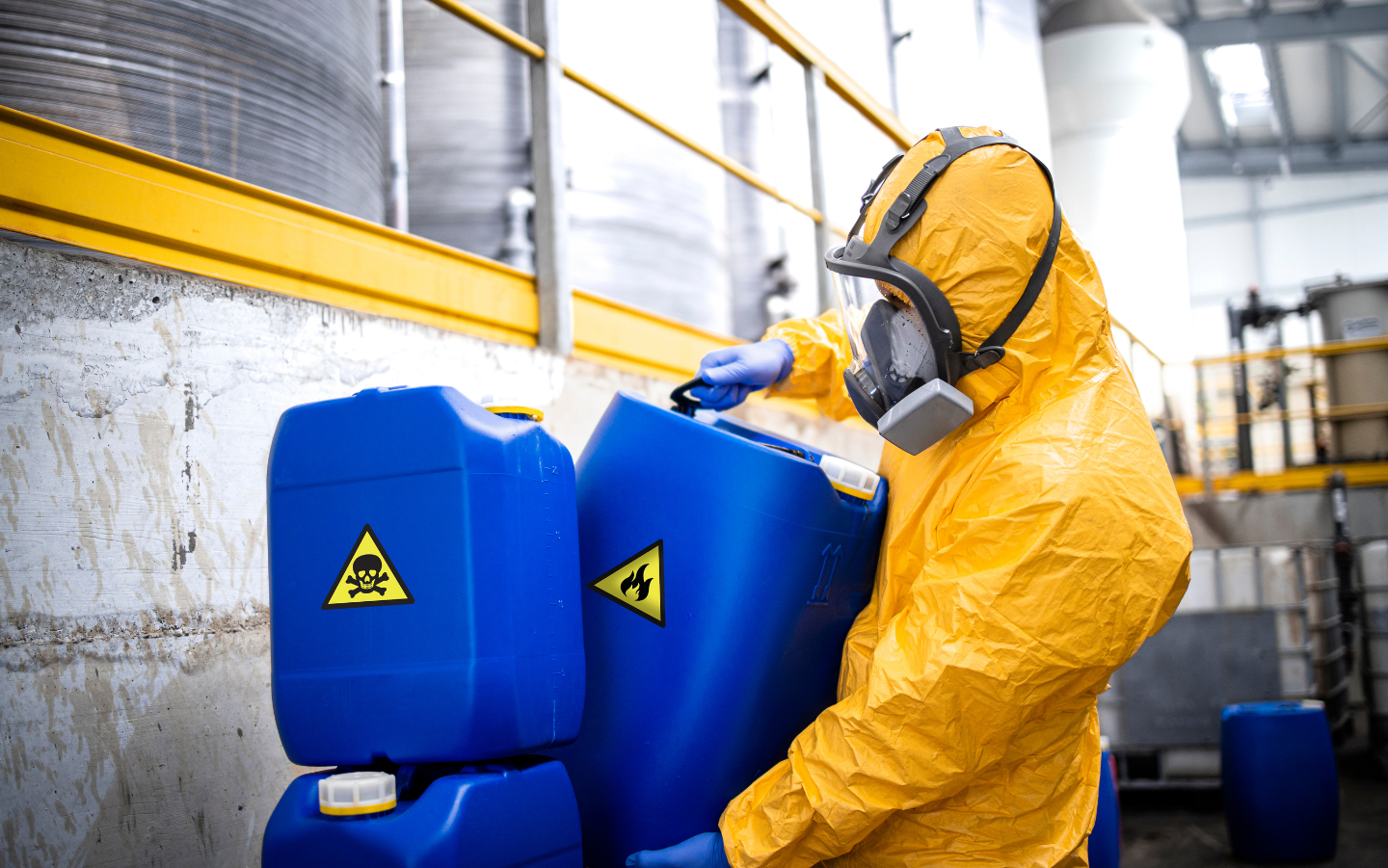
- Pictograms that visually represent chemical dangers
- Precautionary statements explaining safe handling procedures
When workers encounter chemical containers in the workplace, labels provide immediate safety information that helps prevent improper use or exposure.
Safety Data Sheets (SDS)
Safety Data Sheets provide detailed information about chemical hazards, handling procedures, and emergency response protocols.
Every hazardous chemical used in the workplace must have an associated SDS available to employees.
Safety Data Sheets typically include information such as:
- Chemical composition
- Hazard identification
- First aid measures
- Fire-fighting procedures
- Handling and storage recommendations
- Exposure control guidelines
Organizations often store SDS documentation within centralized digital systems to ensure employees can quickly access chemical safety information when needed.
Employee Training
Training is a foundational element of hazard communication programs.
Workers must be trained to recognize chemical hazards, interpret labels and pictograms, and access Safety Data Sheets.
Training programs should cover topics such as:
- Chemical hazard identification
- Safe chemical handling practices
- Personal protective equipment (PPE) requirements
- Emergency response procedures
Organizations that use safety management platforms often track training records digitally to ensure that employees remain compliant with training requirements.
Written Hazard Communication Plans
Employers must develop written hazard communication programs that outline how chemical hazards will be managed and communicated in the workplace.
These written plans typically include:
- Lists of hazardous chemicals used at the facility
- Procedures for maintaining Safety Data Sheets
- Labeling protocols for chemical containers
- Training procedures for employees
- Methods for informing workers about chemical hazards
A written hazard communication plan provides a structured framework that ensures safety practices remain consistent across departments.
Common Challenges in Hazard Communication
Even organizations with established safety programs may encounter challenges when managing chemical hazards.
One common challenge is maintaining accurate chemical inventories. Facilities that frequently receive new chemicals may struggle to update hazard classifications and Safety Data Sheets.
Another challenge involves employee training. Workers who do not fully understand chemical hazards may ignore labels, mishandle substances, or fail to follow proper safety procedures.
Additionally, organizations must ensure that hazard communication systems remain accessible to employees across shifts, departments, and work locations.
Digital safety systems often help address these challenges by centralizing hazard documentation, incident reporting, and employee training records.
How Technology Supports Hazard Communication
Technology is playing an increasingly important role in workplace hazard communication programs.
Many organizations now rely on digital safety platforms to manage chemical hazards more effectively.
These systems often support:
- Centralized Safety Data Sheet libraries
- Hazard tracking and reporting
- Training record management
- Incident investigation documentation
- Compliance monitoring
By digitizing hazard communication processes, organizations gain better visibility into chemical risks and can respond more quickly when safety issues arise.
Technology also helps safety teams identify patterns in chemical exposures and improve workplace risk management strategies.
Hazard Communication Frequently Asked Questions
What is the Hazard Communication Standard?
The Hazard Communication Standard (HCS) is a regulation that requires employers to inform workers about chemical hazards present in the workplace.
The standard establishes requirements for hazard classification, labeling, Safety Data Sheets, and employee training.
Employers must ensure that workers have access to accurate information about hazardous chemicals and understand how to handle them safely.
The regulation applies to most workplaces where hazardous chemicals are present, including manufacturing facilities, laboratories, construction sites, and healthcare environments.
The purpose of the Hazard Communication Standard is to ensure that employees are aware of chemical hazards before exposure occurs.
What chemicals require hazard communication?
Hazard communication requirements apply to any chemical that poses a physical or health hazard.
Examples of hazardous chemicals include flammable liquids, corrosive acids, toxic solvents, compressed gases, and reactive substances.
Even common industrial chemicals—such as cleaning agents, fuels, and adhesives—may require hazard communication if they present risks to workers.
Employers must review chemical safety data provided by manufacturers to determine whether a substance meets hazard classification criteria.
Once a chemical is identified as hazardous, it must be properly labeled, documented, and included in the organization’s hazard communication program.
Why are Safety Data Sheets important?
Safety Data Sheets provide detailed information about chemical hazards and safe handling procedures.
Workers rely on these documents to understand how chemicals behave, what health risks they present, and how to respond in case of exposure.
For example, SDS documents provide guidance on first aid measures, firefighting procedures, and spill response protocols.
They also include exposure limits and personal protective equipment recommendations that help workers reduce their risk of injury.
Without Safety Data Sheets, employees may not have access to the critical information needed to handle chemicals safely.
How often should hazard communication training occur?
Hazard communication training must be provided whenever employees are exposed to hazardous chemicals in the workplace.
Initial training should occur when employees begin working with hazardous chemicals or when new chemicals are introduced into the workplace.
Refresher training may also be necessary when workplace procedures change or when employees demonstrate gaps in safety knowledge.
Many organizations conduct periodic training sessions to reinforce hazard communication principles and ensure that employees remain familiar with chemical safety practices.
Consistent training helps maintain awareness and reduces the likelihood of chemical-related incidents.
What is the Globally Harmonized System (GHS)?
The Globally Harmonized System (GHS) is an international framework for classifying and labeling chemical hazards.
GHS establishes standardized hazard symbols, signal words, and labeling elements that communicate chemical risks consistently across countries.
The Hazard Communication Standard incorporates GHS guidelines to ensure that chemical labels and Safety Data Sheets provide clear and consistent hazard information.
By standardizing hazard communication worldwide, GHS helps workers recognize chemical dangers even when working with unfamiliar substances.
Who is responsible for hazard communication in a workplace?
Employers are responsible for establishing and maintaining hazard communication programs that comply with regulatory requirements.
This responsibility includes maintaining chemical inventories, providing Safety Data Sheets, labeling chemical containers, and delivering employee training.
However, employees also play an important role in hazard communication programs.
Workers must follow safety procedures, use protective equipment when required, and report unsafe conditions or chemical exposures.
When both employers and employees actively participate in hazard communication programs, organizations can significantly reduce workplace risks.
What happens if hazard communication requirements are not followed?
Failure to comply with hazard communication requirements can lead to serious consequences.
Employees may unknowingly expose themselves to hazardous chemicals, increasing the risk of injuries, illnesses, or environmental incidents.
Organizations may also face regulatory penalties, legal liability, and reputational damage if safety violations occur.
More importantly, inadequate hazard communication can undermine workplace safety culture and create an environment where employees feel unsafe.
Maintaining strong hazard communication practices helps organizations protect workers while demonstrating commitment to responsible safety management.
How can companies improve hazard communication programs?
Organizations can strengthen hazard communication programs by improving training, updating documentation, and leveraging digital safety systems.
Maintaining accurate chemical inventories and ensuring that Safety Data Sheets remain accessible to employees are essential steps.
Companies should also encourage workers to report hazards and participate in safety discussions that identify potential risks.
Regular safety audits and incident investigations can also reveal gaps in hazard communication programs and help organizations implement improvements.
By treating hazard communication as an ongoing safety initiative rather than a one-time compliance task, organizations can significantly improve workplace safety outcomes.
Conclusion
Hazard communication plays a fundamental role in protecting workers from chemical hazards.
By clearly identifying hazardous substances, providing accessible safety information, and training employees on proper handling procedures, organizations can significantly reduce workplace risks.
Effective hazard communication programs not only improve regulatory compliance but also strengthen overall safety culture and operational resilience.
When organizations combine strong hazard communication practices with modern safety management systems, they gain greater visibility into workplace risks and can continuously improve their approach to chemical safety.

.png)