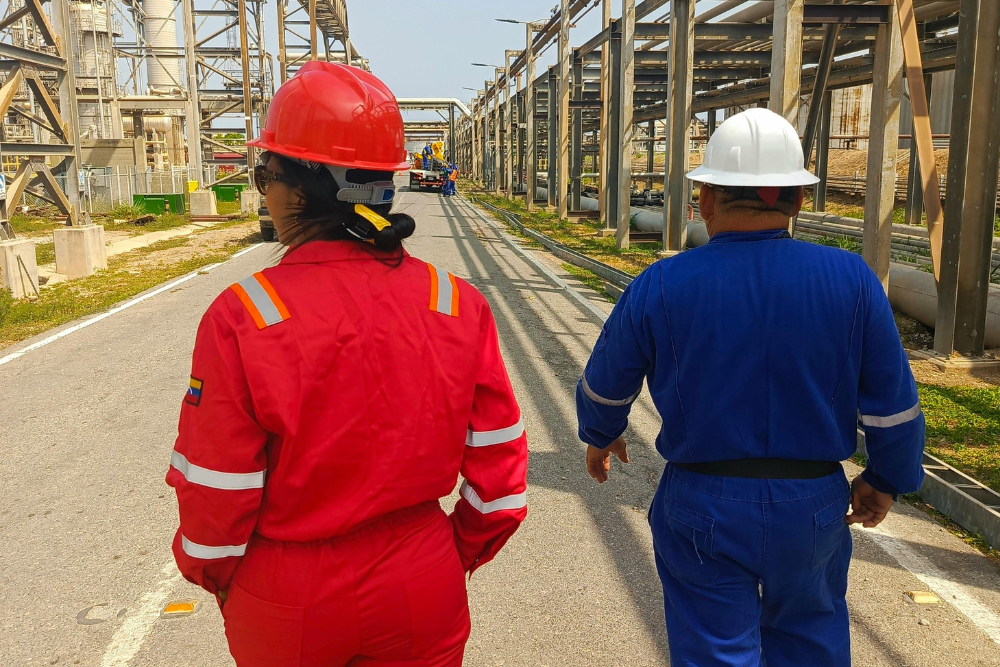
A “safety program” is a term used often in organizations, but its meaning goes far beyond policies written in a binder or posters placed around a facility. A true safety program is a living system—a coordinated set of processes, behaviors, tools, and responsibilities designed to keep employees safe, reduce risk, and strengthen operational performance. It is not a one-time initiative but an ongoing commitment that evolves with the organization, its people, and the hazards they face.
Understanding what a safety program really means is essential for building one that works. This article breaks down the core components of a safety program, how it impacts daily operations, and why every workplace—regardless of size or industry—needs one.
Defining a Safety Program
At its core, a safety program is an organized approach to preventing workplace injuries, illnesses, and incidents. It provides structure around how an organization identifies hazards, trains employees, enforces procedures, responds to issues, and continuously improves.
A safety program typically includes:
- Written policies and procedures
- Risk assessments and hazard identification
- Training and education
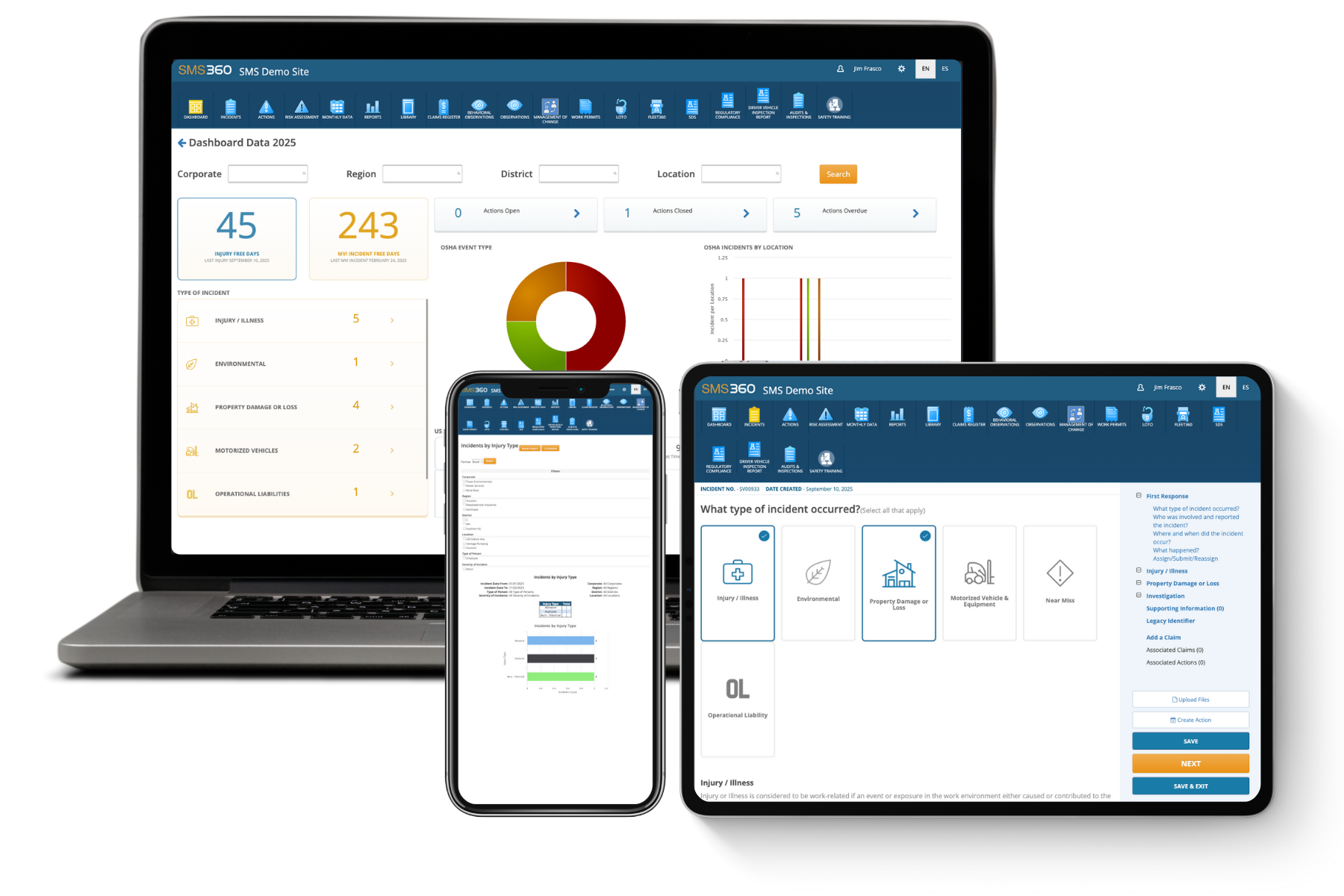
- Incident reporting and investigation
- Corrective and preventive actions
- Safety meetings and communication
- Audits, inspections, and monitoring
But beyond these formal elements, a safety program reflects a company’s values. It sends a message about what leadership prioritizes and how committed the organization is to protecting people.
Why Safety Programs Matter
A strong safety program is more than compliance—it is a foundation for operational excellence. When employees understand expectations and feel supported, workplaces experience fewer disruptions, higher productivity, and stronger morale.
A safety program matters because it:
Reduces Risk Before Incidents Occur
Without a structured program, hazards are often discovered only after someone is injured. A safety program ensures risks are identified early, evaluated, and controlled.
Provides Clear Expectations
Employees need consistency. A safety program outlines responsibilities, procedures, and acceptable behaviors across every role.
Strengthens Communication
Safety programs promote open dialogue between employees and supervisors, ensuring concerns are addressed quickly.
Improves Training and Competency
With defined training requirements and skill evaluations, employees are better prepared to safely perform tasks.
Supports Compliance
Regulations change frequently, and a safety program helps organizations stay aligned with legal requirements.
Drives Continuous Improvement
A program creates feedback loops that help leaders refine processes over time.
In short, a safety program helps organizations operate safely, efficiently, and confidently.
Core Elements That Define a Strong Safety Program
While every workplace is different, most effective safety programs share several essential components.
1. Hazard Identification and Risk Assessment
A strong safety program starts with understanding the environment. This includes evaluating tasks, equipment, materials, and conditions that may cause harm.
Effective hazard identification includes:
- Regular inspections
- Job hazard analyses
- Employee reporting
- Near miss tracking
- Reviewing incident trends
Once hazards are identified, risk assessments help determine their severity and likelihood, guiding decisions on controls and resource allocation.
2. Clear, Accessible Safety Policies
Policies give structure to the safety program. They outline rules, procedures, and expectations for everyone in the organization.
Strong safety policies are:
- Written in clear, understandable language
- Easily accessible to all employees
- Role-specific when necessary
- Updated regularly to reflect new risks or regulations
Policies should support—not overwhelm—employees. Simple, practical guidance increases compliance and consistency.
3. Training and Competency Development
Training is where the safety program becomes real for employees. It ensures workers understand not just what to do, but why safety matters.
Training programs typically include:
- Orientation for new hires
- Task-specific training
- Refresher courses
- Emergency procedures
- Hands-on demonstrations
- Assessments to verify competency
Well-trained employees make fewer mistakes, respond better to emergencies, and contribute more actively to safety initiatives.
4. Incident Reporting and Investigation
Even strong programs experience incidents and near misses. What separates high-performing organizations is how they respond.
A meaningful safety program includes:
- Clear reporting processes
- Non-punitive policies that encourage reporting
- Thorough investigations
- Root cause analysis
- Corrective actions to prevent recurrence
Investigations aren’t about blame—they’re about learning. Each incident becomes an opportunity to strengthen the program.
5. Corrective and Preventive Actions
Once issues are identified, corrective actions ensure hazards are properly addressed. Preventive actions go a step further, improving systems to avoid similar problems in the future.
A robust program tracks:
- Action assignments
- Due dates
- Completion status
- Effectiveness of implemented controls
Accountability and follow-through are what turn plans into safety improvements.
6. Communication and Employee Engagement
A safety program thrives when employees feel involved. Engagement increases when communication is:
- Frequent
- Clear
- Two-way
- Relevant to workers’ daily tasks
Regular safety meetings, toolbox talks, signage, alerts, and digital tools all contribute to ongoing involvement. Workers who feel heard are more likely to report hazards and participate in solutions.
7. Audits, Inspections, and Program Evaluation
A safety program is not set-and-forget. It requires monitoring to identify gaps and verify that processes are working.
Effective monitoring includes:
- Scheduled inspections
- Compliance audits
- Incident trend analysis
- Observations of work practices
- Annual or quarterly program reviews
Evaluation ensures the safety program continues to evolve with operational changes.
What a Safety Program Means for Employees
To employees, a safety program means:
- They can speak up without fear
- Their workplace takes hazards seriously
- Their employer is committed to their well-being
- Procedures exist to prevent injuries
- Leaders are invested in continuous improvement
A safety program creates predictability and trust. When employees know what to expect and feel supported, they work more confidently and effectively.
What a Safety Program Means for Organizations
For organizations, a safety program provides:
- Lower incident rates and fewer disruptions
- Stronger regulatory compliance
- Reduced costs related to injuries and downtime
- Improved productivity and morale
- Enhanced reputation with clients, partners, and auditors
A safety program becomes a strategic advantage, not just a compliance requirement.
Conclusion
A safety program is far more than a checklist or a regulatory obligation. It is a comprehensive, evolving system that shapes workplace culture, guides safe behavior, and ensures every employee returns home unharmed. By investing in hazard identification, training, communication, corrective actions, and continuous improvement, organizations build environments where safety becomes part of everyday work—not an afterthought. A strong safety program protects people, strengthens performance, and helps organizations thrive.
.png)