Safety signs are one of the most visible and effective tools for preventing injuries, guiding behavior, and maintaining compliance in workplaces across every industry. From construction sites and manufacturing plants to hospitals and office buildings, safety signs communicate critical information that helps people recognize hazards, follow procedures, and avoid dangerous situations. While safety programs often focus on training and equipment, clear and properly placed signage serves as a constant reminder of risks and reinforces safe behavior long after training sessions end.
When used correctly, safety signs reduce accidents, improve operational efficiency, and support regulatory compliance. They are not simply decorative elements or optional additions. Instead, they are essential components of a comprehensive safety system that protects workers, visitors, and the public.
Why Safety Signs Are Essential in the Workplace
Safety signs serve a simple but powerful purpose: they communicate information quickly. In many situations, workers do not have time to read long instructions or search for guidance. A clearly visible sign can immediately alert someone to a hazard, required protective equipment, or restricted area.
Accidents often happen when people are unaware of risks or forget procedures. Safety signs help close that gap by providing constant reminders. For example, a “Hearing Protection Required” sign near loud machinery reminds workers to wear ear protection before entering the area. A “Wet Floor” sign alerts people to slipping hazards before they fall.
Safety signs also protect employers. Proper signage demonstrates that hazards have been identified and communicated. This supports regulatory compliance and can reduce liability in the event of an incident.
OSHA Requirements and Safety Sign Compliance
In the United States, the Occupational Safety and Health Administration (OSHA) provides guidelines for safety signage under standard 29 CFR 1910.145. These regulations outline when safety signs must be used, how they should appear, and what information they must include.
OSHA requires safety signs when hazards cannot be eliminated or adequately controlled through engineering or administrative measures. Signs must be visible, legible, and placed where people can see them before encountering the hazard.
Safety signs must also use standardized signal words such as:
- Danger
- Warning
- Caution
- Notice
These signal words indicate the level of hazard severity and help people understand the urgency of the message.
Types of Safety Signs and Their Meanings
Safety signs are categorized based on the level of risk they represent. Each type uses specific colors and signal words to communicate its meaning.
Danger Signs
Danger signs indicate the highest level of risk. They are used when a hazard could cause serious injury or death if not avoided.
Danger signs typically use:
- Red, black, and white colors
- The word “Danger” prominently displayed
Examples include high voltage warnings, confined space entry hazards, and chemical exposure risks.
These signs require immediate attention and must never be ignored.
Warning Signs
Warning signs indicate hazards that could cause serious injury but may not be immediately life-threatening.
They usually feature:
- Orange and black colors
- The word “Warning”
Examples include forklift traffic areas, fall hazards, and pinch points.
Warning signs help workers remain alert and cautious when entering potentially dangerous environments.
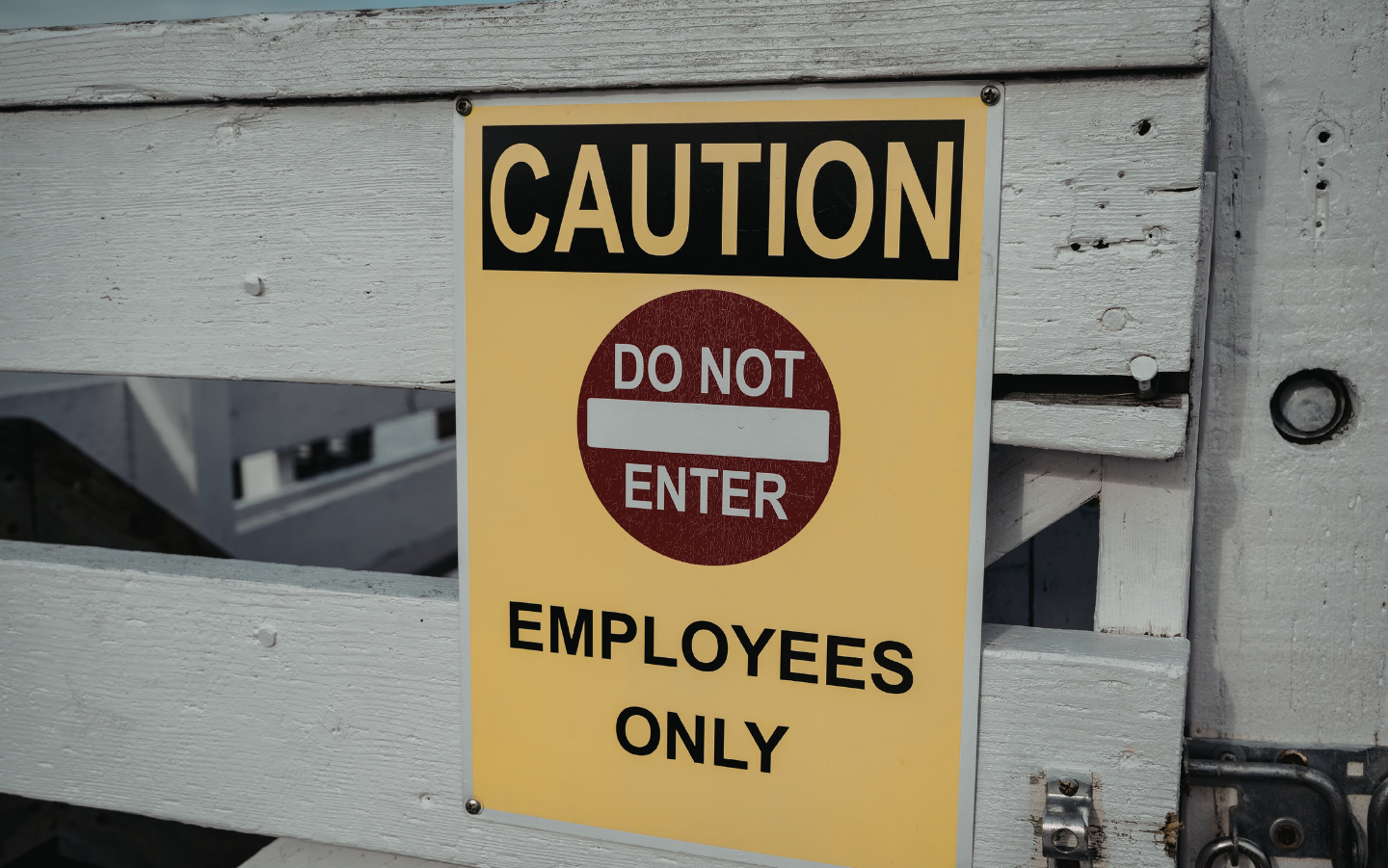
Caution Signs
Caution signs identify hazards that may cause minor or moderate injury.
They commonly use:
- Yellow and black colors
- The word “Caution”
Examples include wet floors, trip hazards, and low clearance areas.
Caution signs are especially common in public spaces and general workplaces.
Notice Signs
Notice signs provide important information but do not indicate a hazard.
They often use:
- Blue and white colors
- The word “Notice”
Examples include policy reminders, restricted access instructions, and procedural guidance.
These signs help reinforce workplace rules and expectations.
Common Locations Where Safety Signs Are Used
Safety signs appear in nearly every type of environment because hazards exist everywhere. However, some locations rely on signage more heavily due to increased risk.
Construction Sites
Construction environments constantly change, creating new hazards daily. Safety signs warn about falling objects, heavy equipment, and restricted areas.
Without proper signage, workers and visitors could unknowingly enter dangerous zones.
Manufacturing Facilities
Manufacturing environments include machinery, chemicals, and moving parts. Signs identify machine hazards, lockout procedures, and required protective equipment.
These reminders help workers avoid serious injuries.
Warehouses
Warehouses involve forklift traffic, high shelving, and loading docks. Safety signs prevent collisions, falls, and equipment accidents.
They guide both workers and visitors safely through the facility.
Healthcare Facilities
Hospitals use safety signs to identify biohazards, radiation areas, and infection control procedures.
These signs protect both staff and patients.
How Safety Signs Prevent Workplace Accidents
Safety signs play a direct role in accident prevention by increasing awareness and influencing behavior. Many workplace accidents occur because people are unaware of risks or distracted.
Signs serve as visual reminders that prompt safer actions.
For example:
- A sign requiring protective eyewear reduces eye injuries
- A warning about forklift traffic reduces collision risk
- A chemical hazard sign prevents exposure
Over time, safety signs help build a culture of awareness and responsibility.
Best Practices for Safety Sign Placement
Simply installing safety signs is not enough. Their effectiveness depends on proper placement and visibility.
Safety signs should be:
- Placed near the hazard
- Easy to see and read
- Free from obstructions
- Well lit
- Maintained and replaced when damaged
Signs that are hidden, faded, or ignored provide little protection.
Employers should regularly inspect signage to ensure it remains effective.
The Role of Design and Visibility in Effective Signage
Design plays a major role in how quickly people notice and understand safety signs. Colors, symbols, and text must work together to communicate clearly.
High contrast improves readability. Simple wording ensures fast understanding. Recognizable symbols help overcome language barriers.
This principle applies not only to safety signage but also to business signage, where clarity and visibility directly impact effectiveness. For example, companies that specialize in business signs and text business signs in Orlando focus heavily on legibility, contrast, and placement to ensure customers can easily identify locations and information. While business signage supports branding and navigation, safety signage applies the same design fundamentals to protect people and communicate hazards quickly.
The goal is immediate recognition and understanding.
Digital and Modern Safety Signs
Technology has expanded the role of safety signage. Many workplaces now use digital signs to display dynamic messages and alerts.
Digital safety signs can:
- Display real-time hazard alerts
- Show rotating safety reminders
- Provide emergency instructions
These signs improve communication and adaptability.
However, traditional physical signs remain essential because they provide constant visibility without relying on power or systems.
Common Mistakes to Avoid With Safety Signs
Even when safety signs are present, mistakes can reduce their effectiveness.
Common problems include:
Using too many signs
When signs are everywhere, people stop noticing them.
Poor placement
Signs must be visible before the hazard, not after.
Faded or damaged signs
Unreadable signs cannot communicate effectively.
Unclear wording
Messages must be simple and direct.
Ignoring updates
Hazards change, and signage must reflect current risks.
Avoiding these mistakes improves safety outcomes.
Safety Signs and Safety Culture
Safety signs do more than communicate hazards. They reinforce workplace safety culture.
When workers see clear and consistent signage, it shows that safety is a priority. This encourages safer behavior and greater awareness.
Safety signs also support training programs by reinforcing lessons visually.
They help turn safety from a one-time event into an ongoing mindset.
Training and Safety Signs Work Together
Safety signs are most effective when combined with training.
Training explains hazards and procedures. Signs reinforce them daily.
Workers should understand:
What the signs mean
Why they exist
How to respond
When workers recognize and respect signage, safety improves significantly.
Evaluating and Updating Safety Signs
Safety programs should include regular reviews of signage.
Employers should ask:
Are signs still visible?
Are new hazards present?
Do signs need replacement?
Are workers paying attention to them?
Updating signage ensures continued effectiveness.
The Future of Safety Signage
Safety signage continues to evolve with technology and design improvements.
Future trends include:
Smart signs connected to safety systems
Interactive displays
Improved materials and durability
Better visual design for faster recognition
Despite these advancements, the core purpose remains the same: protecting people.
Conclusion
Safety signs are a fundamental part of workplace safety. They provide clear warnings, guide behavior, and help prevent accidents. When properly designed, placed, and maintained, they protect workers, visitors, and businesses.
Safety signs support compliance, reinforce training, and build a culture of awareness.
They are not optional. They are essential.
Every workplace, regardless of size or industry, benefits from effective safety signage. By investing in proper signage and maintaining it regularly, organizations create safer environments and reduce the risk of injury.
Safety signs may seem simple, but their impact is powerful.