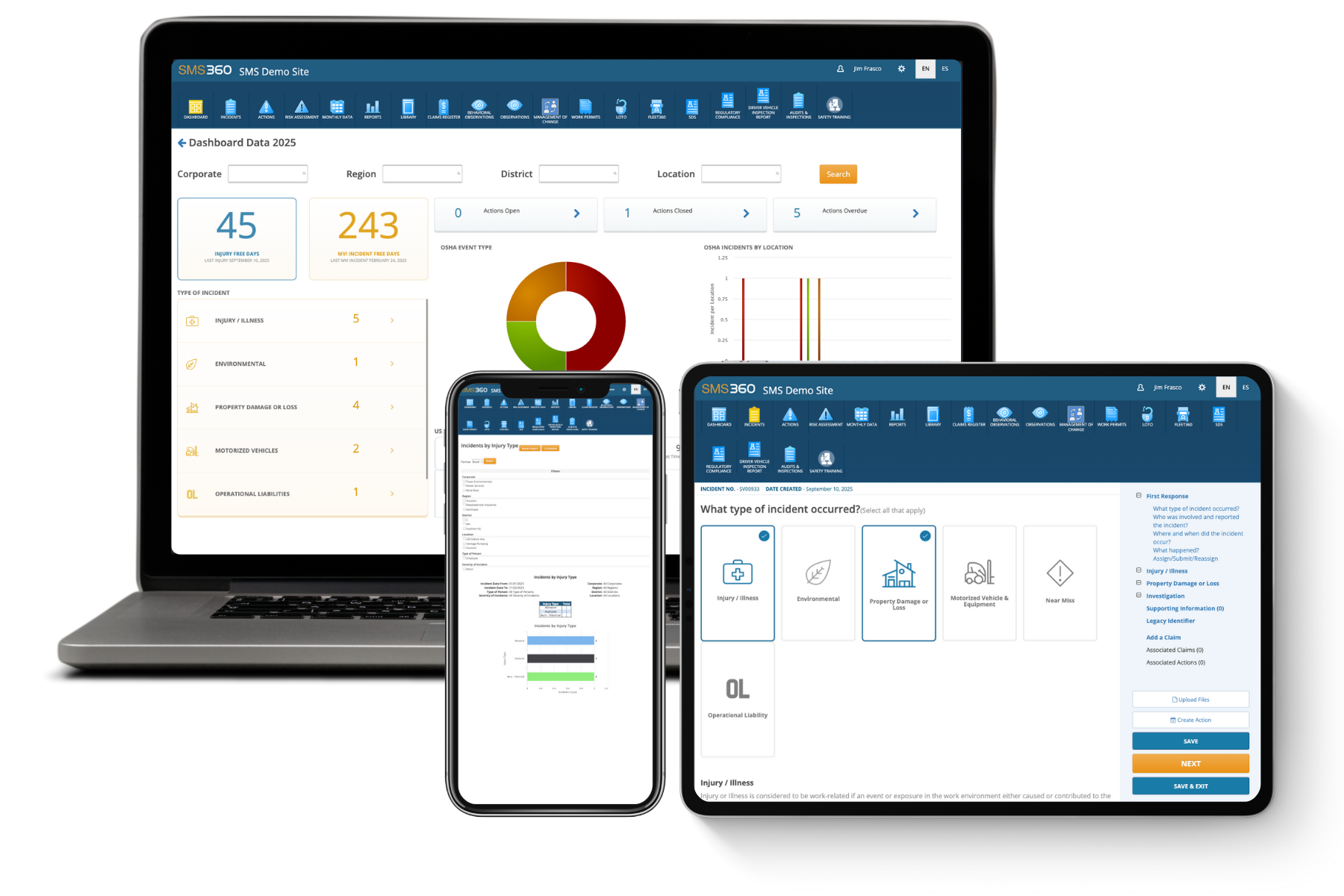
In today's globalized world, having multi-lingual safety software is not just an advantage; it’s a necessity. As companies expand their reach across borders, they must ensure that their safety protocols comply with local regulations while maintaining a consistent safety culture. Multi-lingual capabilities in safety software not only promote better communication among diverse workforces but also support global safety standards.
Enhancing Communication with Global Safety Management
One of the primary benefits of multi-lingual safety software is enhanced communication. When employees speak different languages, misunderstandings can occur, especially regarding safety protocols. By utilizing safety software that supports multiple languages, companies can:
- Deliver crucial safety training in the native language of each employee.
- Provide real-time safety alerts and notifications in a language staff understands.
- Ensure that safety manuals and guidelines are accessible and comprehensible.
This is particularly important in industries like construction, manufacturing, and healthcare, where clear understanding of safety procedures can prevent accidents. For instance, a construction site in Spain staffed with Polish and Spanish speakers can benefit immensely from software that translates safety protocols into both languages. This fosters a safer environment where everyone understands the expectations.
Boosting Safety Compliance Solutions
Safety regulations vary significantly across countries. Multi-lingual safety software aids in aligning a company's practices with local laws, thus enhancing compliance. Here’s how:
- Localized compliance checklists: Tailoring checklists to reflect local laws ensures that all requirements are met without missing critical points.
- Automatic updates on regulations: Software can be programmed to update safety rules as regulations change, ensuring that all staff, regardless of their language, stay current.
- Document translation: Automatically translate important compliance documents into various languages, ensuring that all employees are on the same page.
For example, a multinational manufacturing firm could use multi-lingual safety software to integrate safety standards across their plants. This not only minimizes the risk of non-compliance but also encourages a culture of safety that transcends language barriers.
Real-Life Impacts of Multi-Lingual Safety Software
To illustrate the benefits of multi-lingual safety software, consider a global logistics company operating in diverse regions. Imagine their health and safety team faces a challenge where a new safety protocol was implemented.
In a facility in Germany, the team could quickly disseminate the safety protocol in German, enabling staff to adapt swiftly. Meanwhile, in a site in Brazil, the safety team could create materials in Portuguese, thus minimizing the chances of misinterpretation and enhancing overall safety adherence.
This direct approach not only boosts employee confidence but also leads to lower incident rates and improved safety metrics. The integration of localized languages into their safety solution allowed them to conduct smooth operations across all sites.
Multi-Lingual Software: A Key to Global Safety Culture
Ultimately, having multi-lingual capabilities in safety software underpins a robust global safety culture. It signals that an organization values every employee, regardless of their linguistic background, by providing them necessary safety information in a language they understand. Key benefits include:
- Increased employee engagement: Employees are more likely to participate in safety training when it’s offered in their language.
- Improved morale: Employees feel respected and understood, which can significantly reduce turnover rates.
- Strengthened incident reporting: When safety software supports multiple languages, employees are more comfortable reporting incidents or near misses.
This holistic approach demonstrates an organization's commitment to creating a safe and inclusive environment, ultimately leading to better compliance, safety performance, and workplace morale. Integrating a multi-lingual safety software solution transforms how businesses perceive and manage safety on a global scale.
If you're ready to take the next step towards enhancing your safety management practices, explore how SMS360's safety and compliance software can provide powerful, multi-lingual capabilities tailored to your business's needs. Let us help you build a safer, more compliant workplace with our multi-lingual safety software.
FAQ
What are the advantages of multi-lingual safety software?
Multi-lingual safety software improves communication, enhances safety compliance, and supports global safety management by ensuring all employees understand safety protocols in their preferred language.
How does safety compliance vary across countries?
Safety compliance can vary significantly depending on local laws, industry regulations, and cultural attitudes toward safety. Multi-lingual software helps businesses adapt to these differences effectively.
How can SMS360 help with workplace safety?
SMS360 offers comprehensive safety and compliance software solutions, including multi-lingual capabilities, to help businesses streamline their safety processes and ensure compliance across various regions.