In high-risk environments, effective risk management strategies are indispensable. Whether it’s construction sites, manufacturing plants, or chemical facilities, the stakes are high and the need for robust systems is paramount. Organizations can face severe consequences from operational mishaps, both financially and in terms of safety. So, how do you optimize risk management in these challenging situations?
Understanding Risk Management in High-Risk Environments
Before we delve into specific risk management strategies, let’s clarify what makes an environment “high-risk.” Such settings are typically characterized by:
- Inherent dangers due to the nature of the work.
- A high frequency of incidents or accidents.
- Compliance requirements that must be met to ensure safety.
Optimizing risk management in these settings means being proactive rather than reactive. This involves a comprehensive approach, including regular risk assessments and an effective Safety Management System.
Implementing Efficient Risk Assessment Software
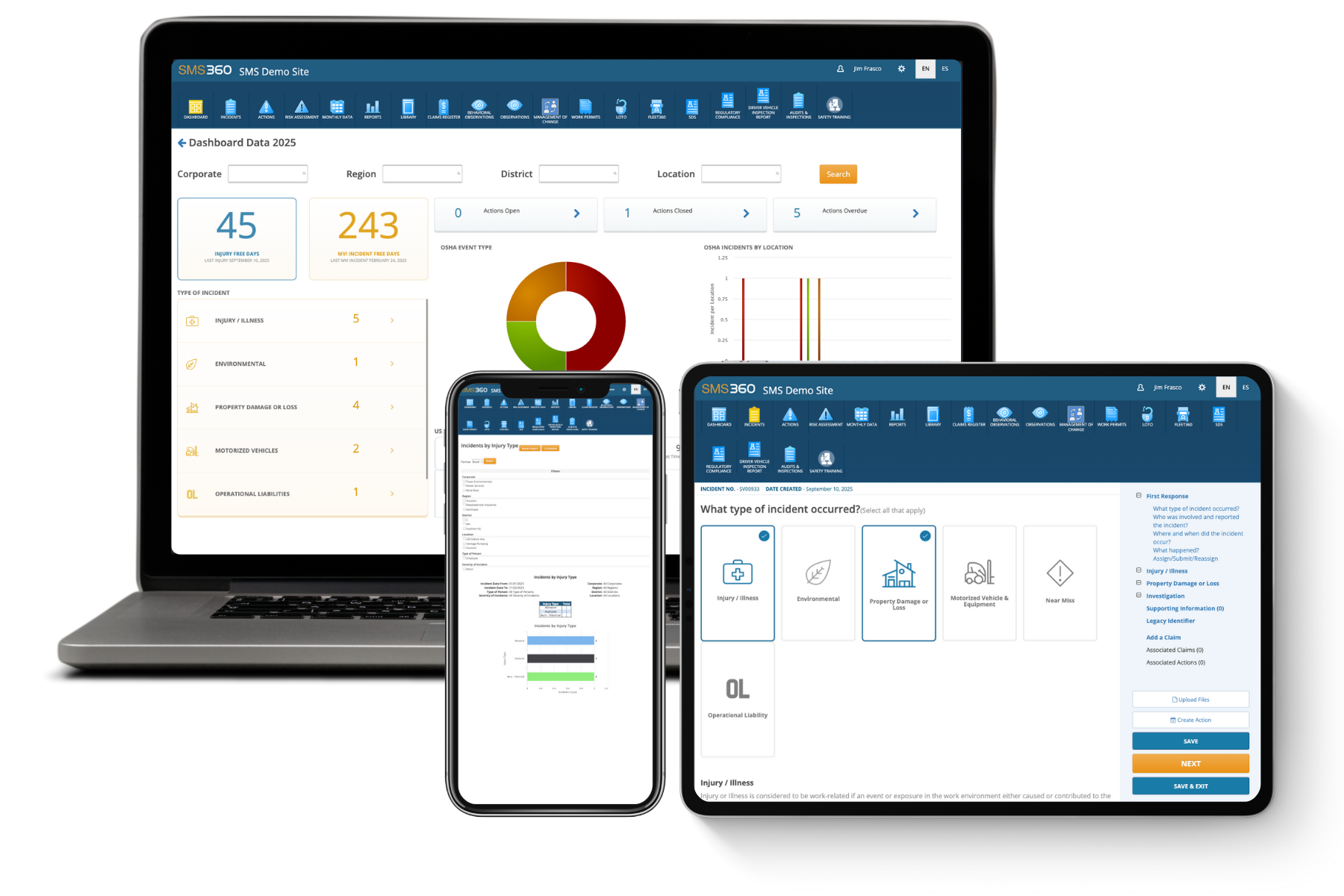
One of the most transformative risk management strategies is the utilization of risk assessment software. Here’s why:
- Streamlined Data Collection: Modern software allows for easy entry and aggregation of data from multiple sources.
- Real-Time Monitoring: Track metrics and incidents as they happen, letting you act swiftly and prevent escalation.
- Enhanced Reporting: Generate insightful reports for audits and compliance checks without the tedious manual process.
For instance, consider a construction company that implemented risk assessment software. With tools in place, they identified potential hazards such as unprotected edges and increased their safety measures accordingly. The result? A significant reduction in workplace injuries.
Choosing the Right Software
Not all risk assessment software is created equal. Look for the following features:
- User-friendly interface for all team members.
- Integration capabilities with existing systems.
- Customizable templates to suit specific industry needs.
Integrating a Comprehensive Safety Management System
Alongside risk assessment software, a solid Safety Management System is critical. Here’s how to integrate it effectively:
- Training and Education: Equip employees with the knowledge to recognize risks and respond appropriately.
- Regular Audits: Conduct safety audits to identify gaps in compliance and performance.
- Feedback Mechanisms: Encourage employees to report hazards and suggest improvements without fear.
Imagine a manufacturing plant that adopted a comprehensive Safety Management System. They began holding weekly safety meetings and invested in ongoing training. Over time, their incident rates dropped significantly, proving that active engagement pays off.
Sustaining a Safety Culture
Creating a culture of safety goes beyond just compliance. It includes:
- Leadership commitment to safety as a core value.
- Incentives for employees who demonstrate safe behavior.
- Open lines of communication regarding safety issues.
Continuous Improvement and Feedback Loops
Remember, risk management isn’t a one-time effort. Continuous improvement is key. Here are strategies for creating effective feedback loops:
- Utilize incident reports to glean insights into risk factors.
- Conduct regular safety assessments to measure effectiveness.
- Engage employees in discussions about improving safety practices.
One facility took a unique approach, implementing a "safety suggestion box" where employees could anonymously submit their thoughts. This led to valuable insights that significantly enhanced their risk management processes.
Ready to optimize your risk management strategies? Explore SMS360’s safety and compliance software today and take the first step towards a safer, more compliant work environment. With our resources, you can ensure effective risk management in high-risk environments.
FAQ
What are the key components of a risk management strategy?
The key components include risk identification, risk assessment, risk mitigation, monitoring, and continuous improvement.
How can SMS360 improve workplace safety?
SMS360 provides tailored software solutions for risk assessment, compliance management, and incident reporting, enhancing overall safety.
What industries benefit most from risk assessment software?
Industries such as construction, manufacturing, healthcare, and energy benefit significantly from effective risk assessment and management software.