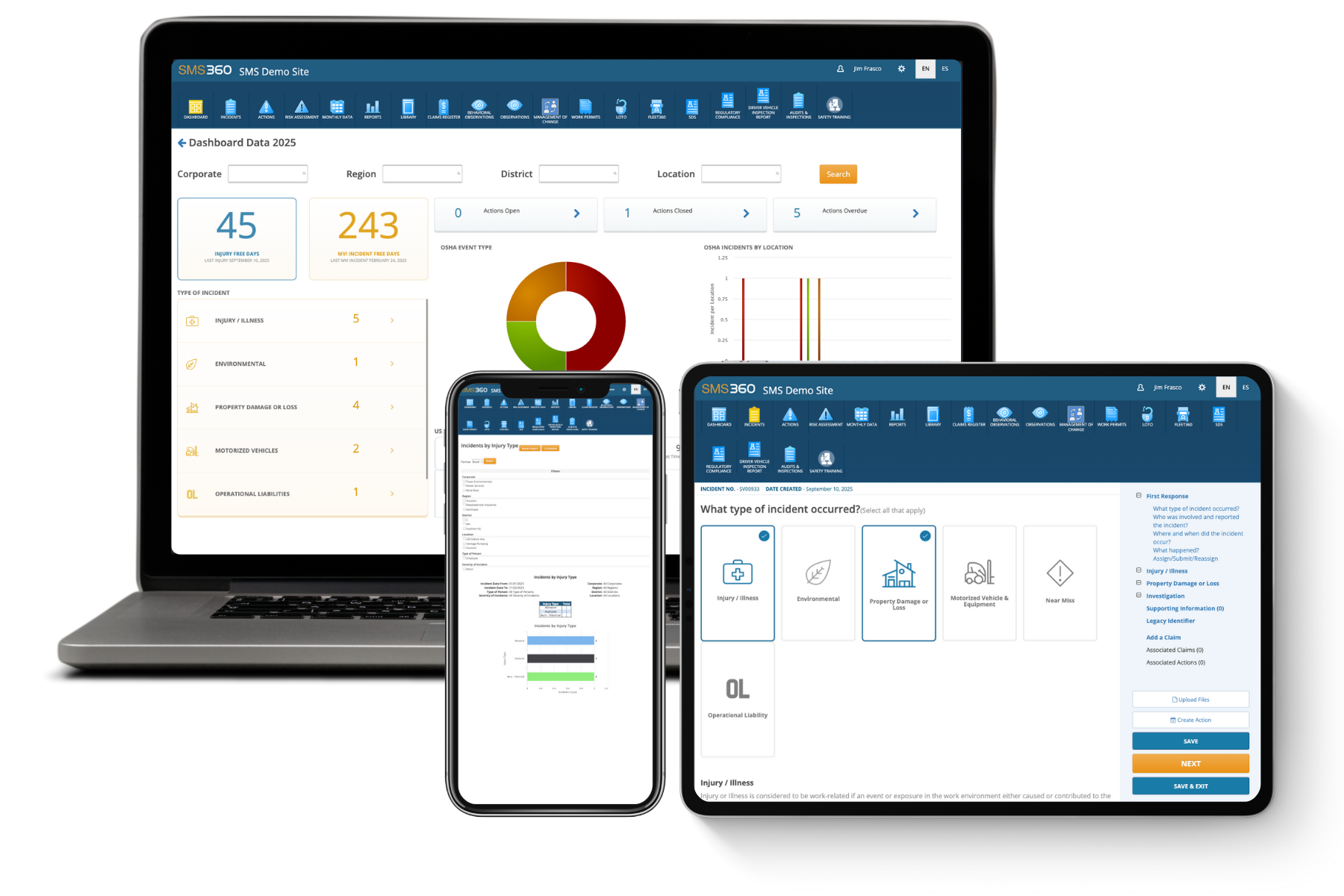
Not all workplace tasks carry the same level of risk. While routine activities can often be managed through standard procedures and training, certain jobs introduce elevated hazards that require formal authorization and oversight before work begins. A Permit to Work (PTW) system exists to control these risks by ensuring work is planned, hazards are identified, and safety controls are in place before employees are exposed to danger.
This guide explains what a Permit to Work is, why it matters, when it is required, and how organizations can implement an effective permit system to protect workers and maintain compliance.
What Is a Permit to Work?
A Permit to Work is a formal, documented system used to authorize specific high-risk tasks at a defined location and time. It ensures that hazards are identified, risks are assessed, and control measures are implemented before work begins.
Unlike a general safety procedure, a permit to work is task-specific and time-bound. It clearly defines:
- What work is being performed
- Where the work will take place
- Who is authorized to perform it
- What hazards are present
- What precautions must be followed
Permit to Work systems are widely recognized by safety regulators and standards organizations, including the UK Health and Safety Executive (HSE).
Why Permit to Work Systems Are Critical for Safety
High-risk work often involves conditions where a single failure can result in serious injury, fatalities, or major incidents. Permit to Work systems reduce these risks by enforcing a structured safety review before work begins.
Preventing Serious Incidents and Fatalities
Many catastrophic workplace accidents occur during non-routine tasks such as maintenance, shutdowns, or contractor work. According to the Occupational Safety and Health Administration (OSHA), failures in hazard control and communication are leading contributors to workplace incidents.
A permit system helps prevent incidents by requiring formal hazard identification and sign-off.
Improving Communication and Accountability
Permits clearly communicate expectations between supervisors, workers, and contractors. Everyone involved understands the scope of work, the risks involved, and their responsibilities.
Supporting Regulatory Compliance
While OSHA does not mandate a single permit format, permit systems are explicitly referenced in standards covering confined spaces, hazardous energy control, and hot work.
When Is a Permit to Work Required?
Permit to Work systems are typically required for tasks that introduce elevated or non-routine risk. These activities may involve hazardous energy, dangerous environments, or work that could impact other operations.
Common Permit-Required Activities
Confined Space Entry
Confined spaces such as tanks, pits, and vessels pose risks from oxygen deficiency, toxic atmospheres, or engulfment. OSHA requires permits for certain confined space entries.
Hot Work
Welding, cutting, grinding, or any activity that produces heat or sparks requires controls to prevent fires and explosions. The National Fire Protection Association (NFPA) provides guidance on hot work permits.
Lockout Tagout and Hazardous Energy
Maintenance involving electrical, mechanical, hydraulic, or pneumatic energy often requires isolation and verification before work begins.
Working at Height
Tasks performed above ground level introduce fall risks and may require additional authorization and controls.
Excavation and Trenching
Ground disturbances can expose workers to cave-ins, underground utilities, and hazardous atmospheres.
Key Components of an Effective Permit to Work
A strong Permit to Work system goes beyond basic documentation. Each permit should include essential elements that guide safe execution of work.
Description of Work
The permit should clearly state what task is being performed and why it is necessary. Vague descriptions can lead to unsafe assumptions.
Location and Duration
Permits must specify the exact work location and define start and end times. Permits should expire once the task is complete or conditions change.
Hazard Identification
All potential hazards must be documented, including environmental, mechanical, chemical, and operational risks.
Control Measures and Precautions
This section outlines required safety controls such as:
- Isolation and lockout procedures
- Ventilation requirements
- Personal protective equipment
- Fire prevention measures
- Atmospheric testing
Authorization and Sign-Off
Permits should be approved by a competent authority and accepted by the worker performing the task. This creates accountability and ensures understanding.
Roles and Responsibilities in a Permit to Work System
A Permit to Work system is only effective when responsibilities are clearly defined.
Permit Issuer
The issuer is responsible for reviewing hazards, confirming controls, and authorizing work. This role is often filled by a supervisor or safety manager.
Permit Receiver
The receiver accepts the permit and confirms they understand the scope, hazards, and controls. They are responsible for following permit conditions.
Safety or Operations Oversight
Safety teams or operations managers may audit permits to ensure compliance and effectiveness.
Common Permit to Work Failures and How to Avoid Them
Even well-designed permit systems can fail if not properly implemented.
Poor Hazard Identification
Rushing permit preparation can lead to missed hazards. Involving workers and reviewing previous incidents improves accuracy.
Permits Used as Paperwork Only
Permits lose value when treated as administrative tasks rather than safety tools. Field verification and active supervision are critical.
Failure to Update Permits
Changing conditions such as weather, personnel, or equipment require permit reassessment. Permits should be suspended or reissued when conditions change.
Digital Permit to Work Systems vs Paper Permits
Many organizations still rely on paper permits, which can introduce inefficiencies and risk.
Limitations of Paper-Based Permits
- Difficult to track and audit
- Prone to loss or damage
- Limited visibility across sites
- Delayed approvals
Benefits of Digital Permit to Work Systems
Digital PTW systems provide:
- Real-time visibility into active permits
- Standardized workflows
- Automated approvals and alerts
- Improved reporting and compliance tracking
Digital systems align with modern safety management best practices outlined by ISO 45001
https://www.iso.org/iso-45001-occupational-health-and-safety.html
Permit to Work FAQs
What is the difference between a risk assessment and a Permit to Work?
A risk assessment identifies hazards and evaluates risk. A Permit to Work authorizes the task and enforces specific controls at the time work is performed.
Is a Permit to Work legally required?
In many jurisdictions, permits are required for specific activities such as confined space entry. Even when not explicitly mandated, permit systems support compliance with OSHA and international safety standards.
How long should a permit remain valid?
Permits should only remain valid for the duration of the task or shift. If conditions change, the permit must be reviewed or reissued.
Who is responsible for closing a permit?
The permit issuer or supervisor typically closes the permit after confirming the work is complete and the area is safe to return to normal operations.
Can contractors operate under the same permit system?
Yes. In fact, contractors should always be included in the host organization’s Permit to Work system to ensure consistent safety controls.
Building a Strong Permit to Work Program
A Permit to Work system is a cornerstone of effective safety management. When implemented correctly, it reduces incidents, improves communication, and creates accountability around high-risk tasks.
Organizations that integrate Permit to Work into a broader safety management system gain better visibility, stronger compliance, and safer outcomes across operations. As workplaces grow more complex, digital permit solutions provide the structure and oversight needed to manage risk effectively.
For organizations managing high-risk work across multiple sites, a modern Permit to Work system is not just a compliance tool. It is a proactive safeguard for people, assets, and operations.
Managing Work Permits with SMS360 Work Permits Software
As organizations scale operations, manage contractors, or operate across multiple sites, paper-based permits quickly become difficult to control. Lost permits, outdated approvals, and limited visibility into active high-risk work can introduce serious safety gaps. This is where digital Permit to Work software plays a critical role.
SMS360’s Work Permits software centralizes the entire permit lifecycle in one system, making it easier to plan, authorize, execute, and close high-risk work safely and consistently.
Standardize Permit Processes Across Sites
SMS360 allows organizations to create standardized permit templates for activities such as confined space entry, hot work, lockout tagout, and working at height. This ensures every permit follows the same structure, hazard checks, and approval requirements, regardless of location or crew.
Standardization reduces variability, minimizes missed steps, and helps ensure compliance with internal policies and regulatory expectations.
Improve Visibility Into Active High-Risk Work
With SMS360, safety teams and supervisors can view all active permits in real time. This visibility helps teams:
- Identify overlapping or conflicting work activities
- Confirm permits are approved before work begins
- Monitor permit status across shifts and sites
Real-time oversight is especially valuable during shutdowns, maintenance periods, or contractor-heavy projects where multiple high-risk tasks may occur simultaneously.
Streamline Approvals and Accountability
Digital workflows within SMS360 eliminate delays caused by manual signatures and paperwork. Permits can be reviewed, approved, and accepted electronically, with clear records showing who authorized the work and when.
This improves accountability while creating a reliable audit trail for inspections, investigations, and compliance reviews.
Integrate Permits With Broader Safety Management
Permit to Work does not operate in isolation. SMS360 connects permits with related safety processes such as hazard identification, inspections, incident reporting, and corrective actions. This integrated approach helps organizations move from reactive safety management to proactive risk control.
By digitizing permits and embedding them into daily operations, organizations can better control high-risk work while improving efficiency, visibility, and safety outcomes.