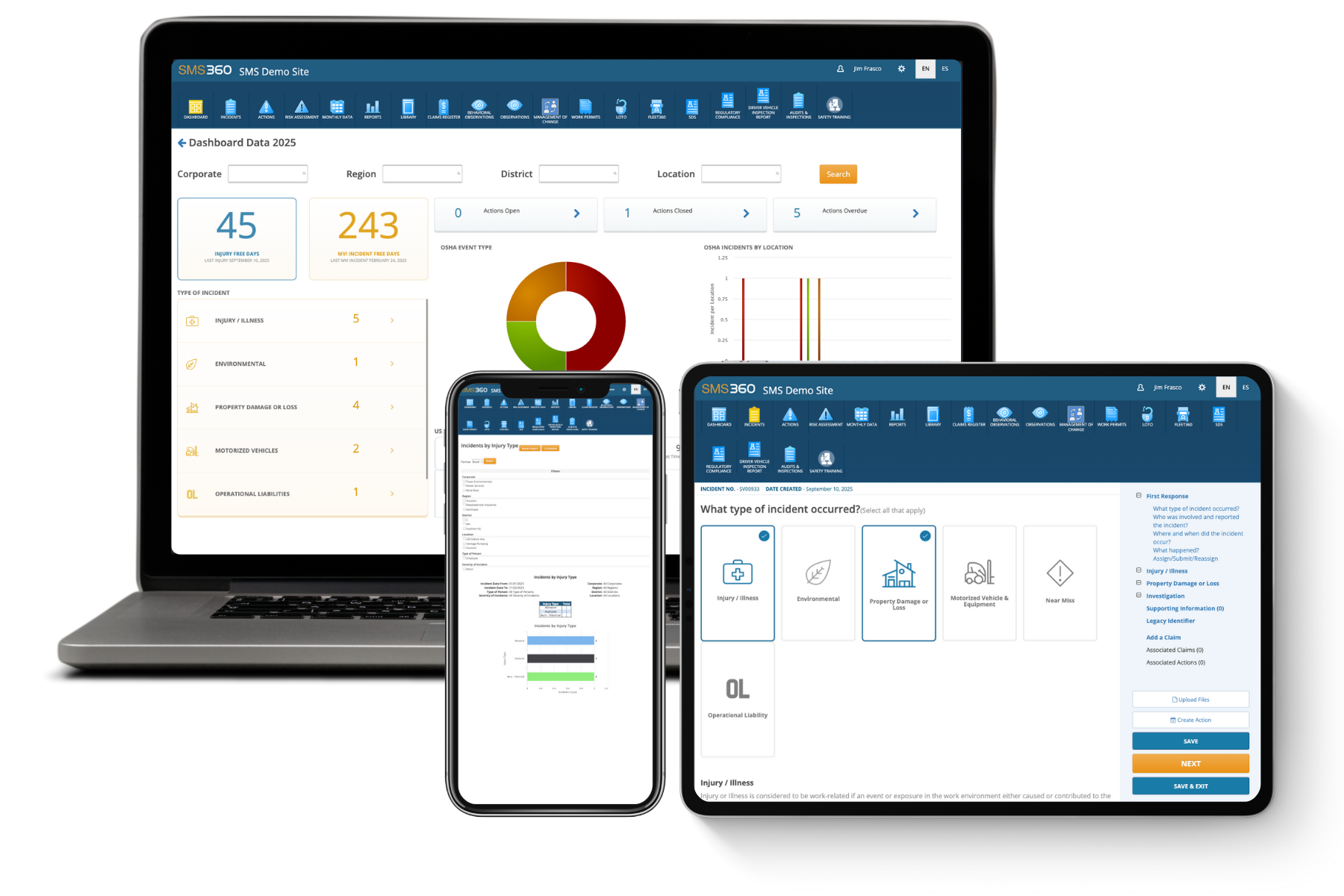
In today's fast-paced world, mobile safety management plays a crucial role in ensuring compliance and safety across various industries. The rise of mobile access has transformed traditional safety management practices, allowing organizations to streamline their safety and compliance tasks in real-time. This evolution not only boosts efficiency but also enhances accountability in the workplace.
The Shift to Mobile Access in Safety Management
Gone are the days of bulky paperwork and outdated safety audits sitting on desktops. Mobile access has revolutionized how businesses approach safety management. With smartphones and tablets at their disposal, safety managers can now tackle compliance tasks wherever they are—be it on the job site or in the office.
Imagine a construction manager on-site, equipped with a tablet. Instead of waiting to return to the office to file a report or perform a safety check, they're able to do this on-the-go. This immediate access allows for quicker decision-making and responsiveness to potential hazards.
Benefits of Mobile Safety Management
Mobile safety management offers numerous benefits that organizations can leverage to enhance their safety protocols and compliance efforts:
- Real-time Reporting: Safety incidents can be logged immediately, reducing the risk of missing critical details.
- Increased Engagement: Employees can report hazards as they encounter them, fostering a culture of safety.
- Accessibility: Information is accessible anytime, anywhere, improving communication among teams.
- Improved Training: Mobile apps can deliver safety training directly to employees at their convenience.
- Data Collection: Easy access to data helps managers analyze trends and address recurring issues.
Real-life Example
Consider a manufacturing facility that implemented a mobile safety management system. Employees began using smartphones to conduct regular safety checks. By doing so, they noticed several unsafe conditions that would have otherwise required a lengthy reporting process. Over time, this approach led to a significant reduction in workplace accidents.
Offline Safety Management: Staying Compliant Regardless of Connectivity
Not every worksite has reliable internet access. This is where offline safety management comes into play. Modern mobile safety management tools provide offline capabilities, allowing safety checks and reports to be completed without an immediate internet connection.
Once connectivity is restored, all data is synced back to the primary system. This ensures that no critical information is lost. It’s an indispensable feature for industries such as construction or remote fieldwork, where connectivity can be inconsistent.
The Impact of Digital Safety Management
Combining offline capabilities with mobile access creates a powerful platform for digital safety management. Organizations can enjoy the benefits of both worlds—real-time updates, along with the ability to continue work in low-connectivity areas.
Companies can implement these systems to monitor compliance regularly and ensure that employees are engaged in safety protocols. For example:
- A utility company can allow field workers to complete safety audits via a mobile app while out of range.
- An oil and gas company can conduct remote training sessions and safety checklists.
Empowering Your Workforce with Mobile Safety Management
By embracing mobile safety management, organizations empower their workforce to prioritize safety. An engaged workforce is more likely to participate actively in safety initiatives, resulting in increased compliance.
To facilitate this engagement, organizations can do the following:
- Conduct regular training sessions on utilizing mobile safety apps effectively.
- Implement a feedback loop where employees can share thoughts on the process, helping to refine it.
- Recognize and reward teams or individuals who actively contribute to safety compliance.
These steps not only enhance individual accountability but also promote a culture of safety throughout the organization.
Beyond mere compliance, a robust mobile safety management system helps companies reduce costs related to accidents and setbacks. With fewer incidents, the organization’s brand perception improves. Clients view the organization as a safe and responsible employer, ultimately leading to new business opportunities.
To truly benefit from all these features and more, it's essential to explore the advanced offerings available through SMS360. Our solutions are designed to help you streamline safety and compliance processes effortlessly.
Explore SMS360’s offerings and see how we can help elevate your safety management practices to the next level.
FAQ
What is mobile safety management? It refers to using mobile technology to manage safety inspections, reports, and compliance tasks in real-time, enhancing efficiency and accountability.
How do mobile safety management tools improve compliance? They allow for immediate reporting and tracking, ensuring compliance tasks are addressed promptly and thoroughly.
How does SMS360 enhance workplace safety? SMS360 offers a suite of safety and compliance software designed to improve communication, training, and reporting processes across various industries.