Workplace hazards are rarely theoretical. In industrial environments, risks are tangible — rotating machinery, chemical exposure, elevated work surfaces, energized equipment, extreme temperatures, airborne particulates, and moving vehicles. While engineering controls and administrative safeguards reduce exposure, safety gear remains a critical layer of protection when hazards cannot be fully eliminated.
Safety gear — often referred to as personal protective equipment (PPE) — serves as the last line of defense between a worker and potential injury. But effective protection requires more than simply issuing hard hats and gloves. It demands hazard assessment, correct selection, proper fit, employee training, inspection routines, and consistent enforcement.
When managed strategically, safety gear programs reduce injury severity, strengthen compliance posture, and reinforce a culture where protection is non-negotiable.
The Role of Safety Gear in the Hierarchy of Controls
In safety management, the hierarchy of controls prioritizes eliminating hazards before relying on PPE. Elimination, substitution, and engineering controls are always preferred because they remove risk at the source. However, in many industries — especially manufacturing, construction, oil and gas, and logistics — certain hazards cannot be engineered away entirely.
That is where safety gear becomes essential.
While PPE is considered the final control layer, its importance should never be minimized. When properly selected and consistently worn, it significantly reduces the severity of injuries and, in many cases, prevents fatalities.
The key is ensuring PPE complements broader safety systems rather than replacing them.
Categories of Safety Gear and Their Applications
Different hazards require different forms of protection. A comprehensive safety gear program addresses multiple exposure categories.
Head Protection
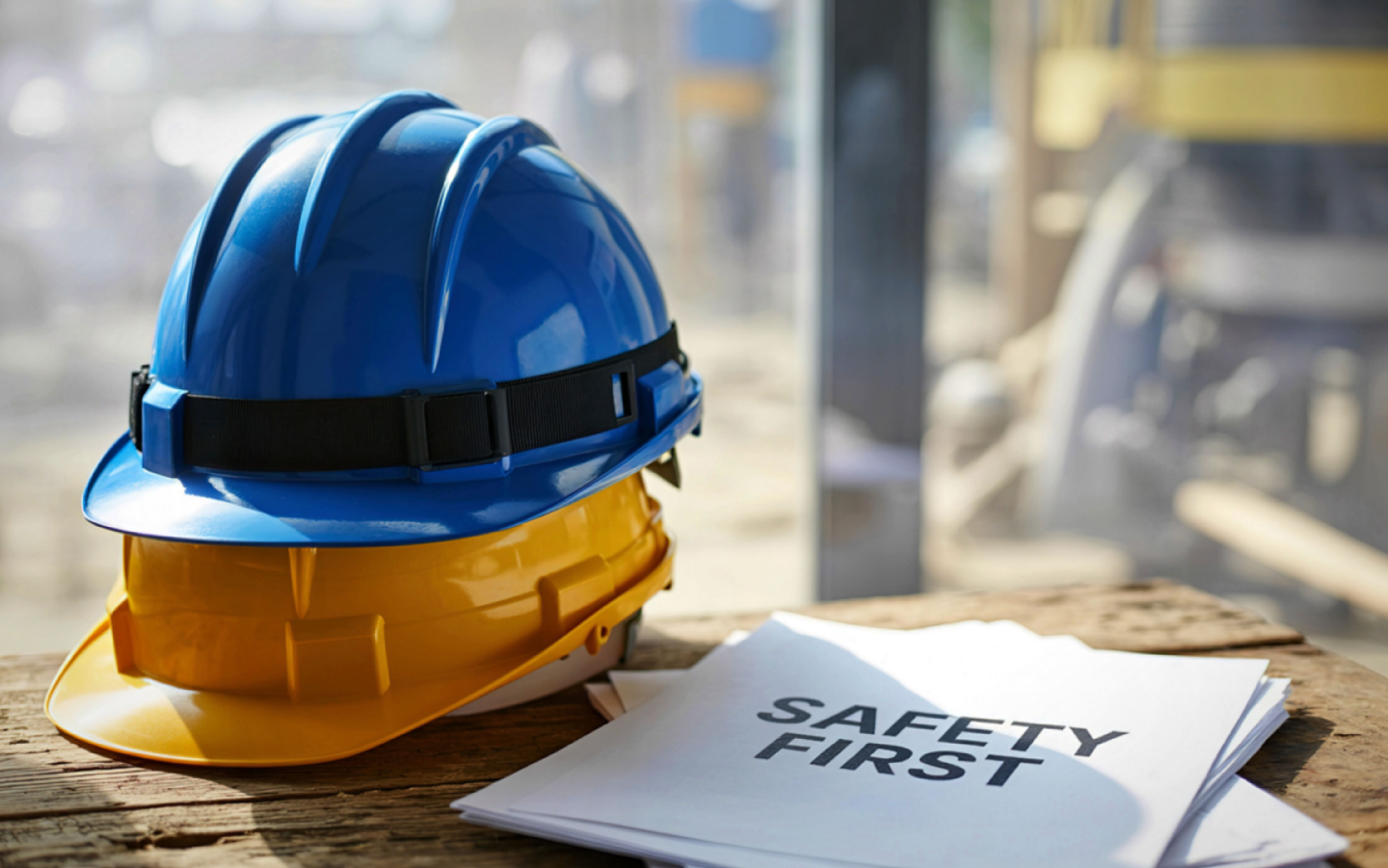
Hard hats and helmets protect against falling objects, head strikes, and electrical exposure. In construction and heavy industrial environments, overhead hazards are constant — tools dropped from scaffolding, suspended loads, and structural components in motion.
Modern hard hats are designed not only for impact protection but also for comfort and ventilation. A poorly fitting helmet is less likely to be worn consistently, which increases risk.
Regular inspection is essential. Cracked shells, worn suspension systems, or UV degradation can compromise protection.
Eye and Face Protection
Flying debris, sparks, chemical splashes, and dust particles present significant eye injury risks. Safety glasses, goggles, and face shields must be selected based on the specific hazard.
For example, welding operations require specialized shields with appropriate shade ratings, while chemical handling demands splash-resistant goggles. Standard safety glasses may not provide sufficient sealing in high-exposure environments.
Eye injuries are among the most preventable workplace incidents — yet they remain common when protection is neglected or improperly used.
Hearing Protection
Prolonged exposure to high noise levels can cause irreversible hearing loss. Industrial environments often exceed safe decibel thresholds, particularly near heavy equipment, stamping operations, or power tools.
Earplugs and earmuffs reduce exposure, but effectiveness depends on proper fit and usage. Many organizations conduct periodic noise monitoring to determine when hearing protection is required and to evaluate long-term exposure trends.
Hearing conservation programs often integrate training, audiometric testing, and compliance tracking to ensure sustained protection.
Respiratory Protection
Respiratory hazards range from dust and fumes to chemical vapors and oxygen-deficient atmospheres. In these cases, respirators provide essential protection.
However, respiratory protection programs are highly regulated. Employers must conduct fit testing, medical evaluations, and training to ensure compliance.
Respirator misuse can create a false sense of security. Without proper fit and maintenance, protection levels may be compromised.
Hand and Arm Protection
Hands are among the most frequently injured body parts in industrial workplaces. Gloves must be selected based on hazard type — cut-resistant, chemical-resistant, heat-resistant, or vibration-dampening.
Using the wrong glove type can increase risk rather than reduce it. For instance, loose-fitting gloves around rotating equipment may create entanglement hazards.
Matching glove material to task requirements is critical.
Fall Protection
Falls remain a leading cause of serious injuries and fatalities. Fall protection systems include harnesses, lanyards, lifelines, and guardrails.
Proper anchorage, inspection, and training are non-negotiable. A fall arrest system is only effective when all components function as intended.
Routine inspection and documented maintenance schedules ensure reliability.
Common Gaps in Safety Gear Programs
Even when PPE is available, gaps often undermine effectiveness.
One common issue is inconsistent enforcement. When supervisors tolerate non-compliance, protective equipment usage declines.
Another challenge is poor documentation. Without centralized tracking, organizations struggle to verify training, fit testing, and inspection schedules.
Additionally, failure to update PPE standards as operations evolve can create exposure. Introducing new chemicals, processes, or machinery may require updated protection protocols.
Training and Behavioral Reinforcement
Issuing safety gear is only the beginning. Workers must understand:
- Why the equipment is required
- What hazards it protects against
- How to inspect it
- When to replace it
Training should be interactive and task-specific. Generic safety orientations rarely drive behavior change.
Leadership reinforcement is equally important. When managers consistently wear required PPE and enforce standards, cultural alignment strengthens.
Leveraging Technology to Strengthen PPE Programs
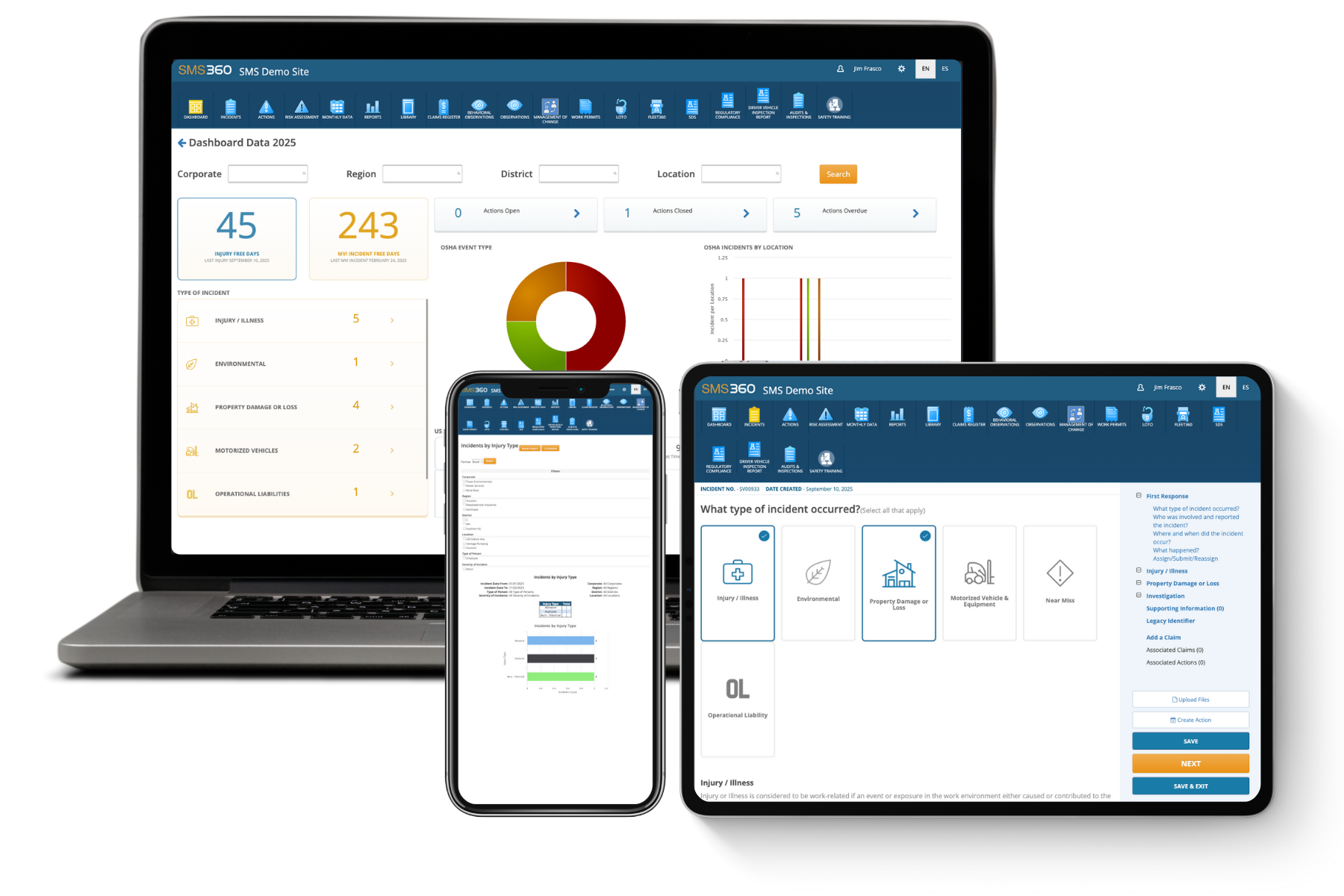
Modern EHS systems enhance safety gear management by:
- Tracking PPE training completion
- Documenting respirator fit tests
- Logging inspection records
- Monitoring compliance trends
- Linking incidents to PPE failures
Digital tracking ensures that safety gear programs remain proactive rather than reactive.
Organizations can quickly identify patterns, such as repeated hand injuries in a specific department, prompting reassessment of glove selection.
Safety Gear as a Cultural Signal
Safety gear represents more than regulatory compliance — it signals organizational priorities.
When companies invest in high-quality, properly fitted PPE and reinforce consistent use, employees recognize that leadership values their well-being.
Conversely, poorly maintained or low-quality equipment sends the opposite message.
A mature safety culture treats protective equipment as essential infrastructure — not optional accessories.
FAQs About Safety Gear
1. Is PPE required even if other controls are in place?
Yes. If hazards remain after engineering and administrative controls, PPE is required as an additional protective layer.
2. How often should safety gear be inspected?
Inspection frequency depends on equipment type. Many items require daily visual checks by users and periodic documented inspections by supervisors.
3. Who is responsible for providing safety gear?
Employers are responsible for providing required PPE at no cost to employees under OSHA regulations.
4. What happens if PPE is not worn?
Failure to wear required PPE increases injury risk and may result in disciplinary action, depending on company policy.
5. How can EHS software improve PPE compliance?
EHS platforms track training, inspections, and compliance data while providing visibility into recurring injury patterns tied to PPE usage gaps.