When a workplace incident occurs, the most dangerous response is a superficial one. It is easy to blame a worker for “not following procedure” or label an event as “human error.” But those conclusions rarely reflect the true drivers of failure.
Incidents are rarely random. They are the outcome of layered breakdowns — process gaps, communication failures, training deficiencies, equipment issues, cultural weaknesses, or systemic blind spots. Root Cause Analysis (RCA) is the structured method organizations use to dig beneath the surface and uncover those underlying causes.
A strong RCA process transforms incidents from isolated events into opportunities for system-wide improvement. Organizations that master root cause analysis don’t just fix problems — they eliminate patterns.
Why Root Cause Analysis Is Critical to Safety Performance
Many safety programs stop at identifying what happened. High-performing organizations go further — they examine why it happened and what systemic changes are necessary to prevent recurrence.
Without structured RCA:
- Corrective actions address symptoms instead of causes
- Similar incidents repeat over time
- Employees lose trust in investigations
- Organizational learning stagnates
Root cause analysis strengthens both prevention and accountability. It ensures that corrective actions target system improvements rather than assigning blame.
Moving Beyond “Human Error”
Labeling an incident as “human error” ends the investigation prematurely. Humans operate within systems. When a worker makes a mistake, deeper questions must be asked:
- Was training sufficient?
- Were procedures clear and accessible?
- Was supervision adequate?
- Was fatigue a factor?
- Did production pressure influence decision-making?
- Was equipment functioning properly?
True root causes often sit several layers below the initial behavior.
Common Root Cause Analysis Techniques
Different techniques suit different organizational needs. The key is choosing structured methods that encourage critical thinking rather than assumption.
The 5 Whys Method
The 5 Whys technique involves repeatedly asking “why” until the underlying cause is uncovered.
For example:
An employee slips and falls.
Why? The floor was wet.
Why? A pipe was leaking.
Why? The pipe seal failed.
Why? Preventive maintenance was overdue.
Why? Maintenance scheduling system failed to trigger inspection.
The true root cause may not be the wet floor — it may be a breakdown in maintenance management.
The 5 Whys method is simple and effective for straightforward incidents but may not capture complex system interactions.
Fishbone (Ishikawa) Diagram
The Fishbone diagram categorizes potential causes into broader groups such as:
- People
- Process
- Equipment
- Environment
- Materials
- Management
This structured brainstorming approach encourages teams to evaluate multiple contributing factors rather than focusing on a single explanation.
It is particularly effective for multi-factor incidents where mechanical, human, and environmental elements intersect.
Fault Tree Analysis (FTA)
Fault Tree Analysis is more technical and often used in high-risk industries such as oil and gas, chemical processing, and manufacturing.
It visually maps the pathways that could lead to a specific failure event. By working backward from the undesired outcome, investigators identify combinations of contributing factors.
FTA is valuable for evaluating system-level failures and predicting potential breakdown scenarios.
TapRooT® and Structured RCA Frameworks
Some organizations implement formalized RCA methodologies that include defined investigation steps, evidence documentation standards, and structured corrective action planning.
These systems ensure investigations are consistent across sites and prevent subjective conclusions.
Standardization improves organizational learning.
Key Elements of an Effective RCA Process
Regardless of technique, strong root cause analysis includes several foundational components.
Timely Investigation
Investigations should begin as soon as possible after an incident. Delays increase the risk of lost evidence, fading memories, and incomplete data.
Prompt response signals that safety events are taken seriously.
Evidence-Based Documentation
Photographs, equipment records, maintenance logs, training documentation, and witness statements should support conclusions.
Assumptions undermine credibility. Data strengthens it.
Multidisciplinary Involvement
Including supervisors, safety professionals, maintenance teams, and frontline employees ensures broader insight.
Diverse perspectives reduce investigative blind spots.
Clear Corrective Actions
Every identified root cause should result in a specific, measurable corrective action with an assigned owner and deadline.
Without follow-through, RCA becomes an academic exercise.
Common Failures in Root Cause Analysis
Even organizations that conduct investigations may struggle with execution.
One frequent issue is premature closure. Teams may stop investigating once a plausible cause is identified rather than digging deeper.
Another challenge is weak corrective action tracking. Without accountability systems, improvements are never fully implemented.
Additionally, inconsistent investigation formats across multiple sites prevent enterprise-level analysis of recurring trends.
Leveraging Technology to Strengthen RCA
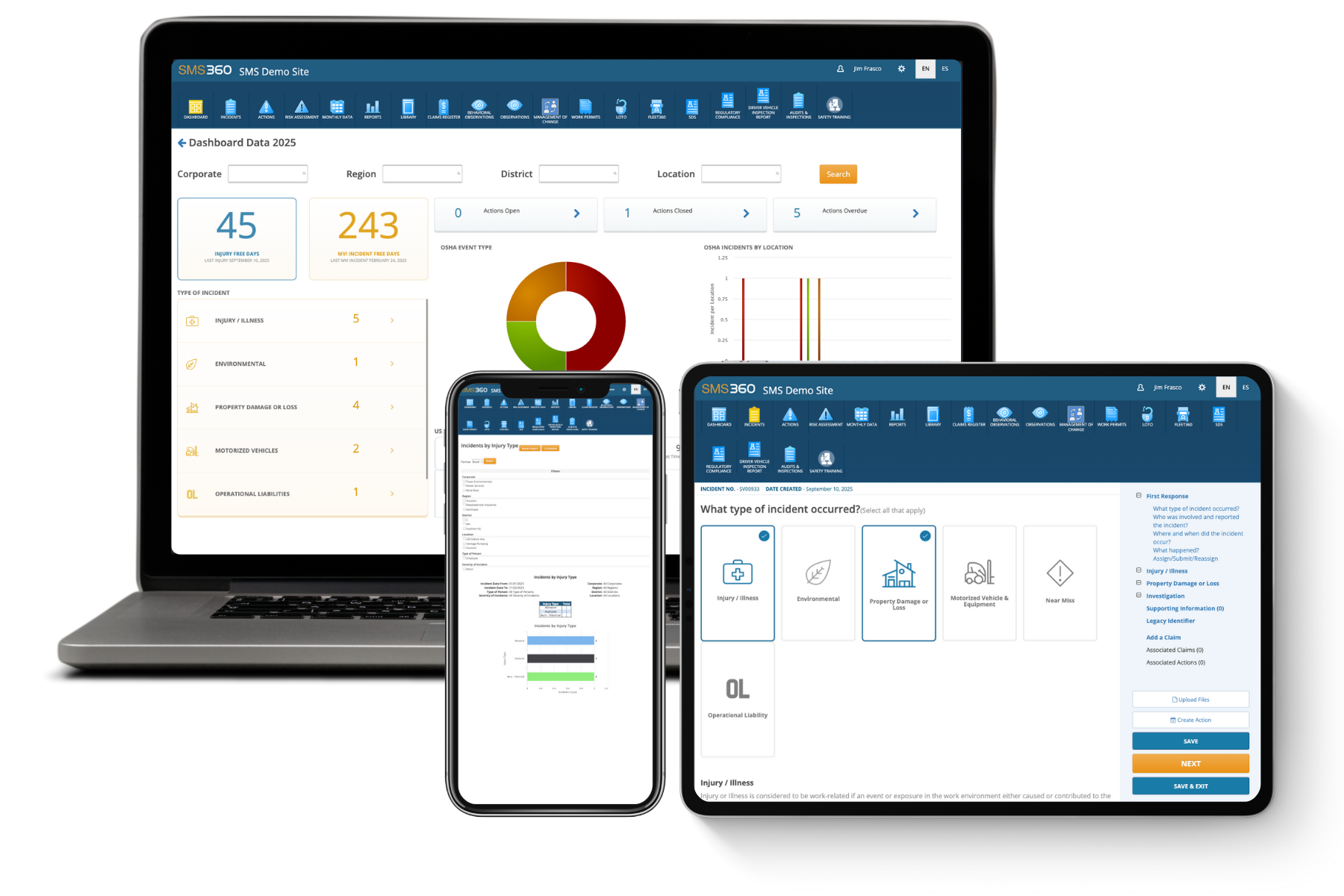
Modern EHS platforms support structured RCA by:
- Embedding investigation templates
- Linking incidents to corrective action workflows
- Tracking recurring root causes
- Providing analytics on systemic trends
- Escalating overdue actions
Centralized documentation ensures that lessons learned in one facility inform improvements across the organization.
Over time, organizations can analyze root cause frequency to identify systemic risk categories — such as training deficiencies or maintenance gaps.
From Reactive to Predictive
When root cause analysis data is consistently tracked, patterns emerge.
For example:
- Repeated equipment-related incidents may indicate aging infrastructure.
- Frequent slip incidents may highlight housekeeping weaknesses.
- Multiple procedural deviations may suggest unclear documentation.
These patterns allow organizations to shift from reacting to individual events to proactively strengthening systems.
Root cause analysis, when done properly, becomes a strategic planning tool.
Building a Culture That Supports Honest RCA
Effective root cause analysis requires psychological safety. Employees must trust that investigations focus on improvement — not punishment.
Blame-based cultures discourage transparency and limit learning.
Leadership commitment to system improvement is critical for long-term success.
FAQs About Root Cause Analysis
1. What is the main goal of root cause analysis?
The goal is to identify the underlying system failures that allowed an incident to occur and implement changes that prevent recurrence.
2. How long should an RCA investigation take?
The timeline depends on complexity, but investigations should begin immediately and conclude promptly once sufficient evidence is gathered.
3. Is human error ever a root cause?
Human error is typically a symptom. Investigations should examine system factors that influenced behavior.
4. Can small incidents justify full RCA?
Yes. Minor incidents and near misses often provide valuable insight before serious injuries occur.
5. How can software improve RCA consistency?
EHS platforms standardize investigation templates, centralize documentation, track corrective actions, and reveal recurring systemic weaknesses across sites.