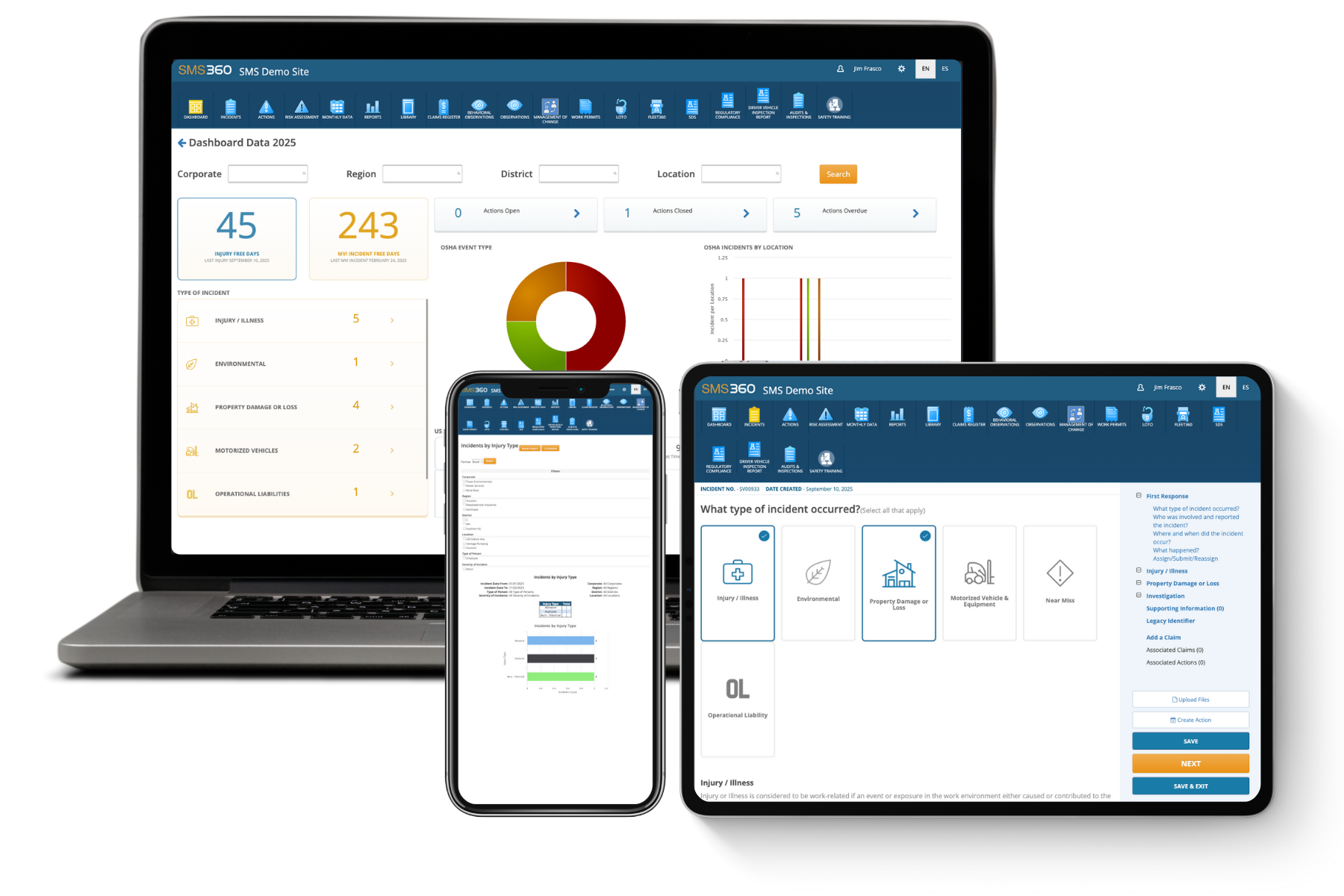
In today's fast-paced world, risk forecasting tools are not just useful—they're essential. Businesses face a myriad of risks every day, from environmental hazards to workplace incidents. Having advanced tools at your disposal can significantly improve your ability to predict and mitigate these risks. This post will dive into the innovative technologies that optimize risk forecasting and further enhance safety protocols.
Harnessing Technology for Accurate Risk Forecasting
The quest for reliable risk forecasting tools involves leveraging various technologies that help identify potential risks before they escalate. One significant tool in this repertoire is near miss reporting software. Understanding and documenting near misses provide invaluable data that can refine risk forecasting models.
Imagine a construction site where workers narrowly avoid an accident due to a lack of safety precautions. By documenting this near miss, safety managers can analyze the situation and implement better practices. Here’s how near miss reporting can transform risk forecasting:
- Identifies trends in workplace hazards
- Generates actionable insights for training programs
- Enhances the overall safety culture
Real-World Application: A Case Study
Consider a manufacturing plant that integrated a near miss reporting system. After a few months, they noticed a pattern: most near misses occurred during shift changes. By focusing on training and enhancing communication during these pivotal times, they reduced potential hazards by 30%. This is the power of utilizing advanced software for risk forecasting.
Predictive Safety Risk Assessment
Another key area in effective risk forecasting is safety risk prediction. Predictive analytics employs historical data to forecast future risks, empowering companies to take preemptive measures. By using these tools, organizations can optimize their operations and minimize the chance of accidents.
Technological advancements in this space often utilize machine learning algorithms to analyze data from various sources. From incident reports to environmental conditions, these tools process vast amounts of information, producing clear predictions. Here are some benefits of using predictive safety risk assessments:
- Enhances decision-making through data-driven insights
- Promotes proactive measures rather than reactive strategies
- Reduces costs associated with workplace accidents
A Practical Example
A logistics company implemented a predictive safety risk assessment tool that analyzed delivery routes and weather conditions. The system helped them identify high-risk routes during storms, allowing them to reroute deliveries proactively. As a result, they not only safeguarded their employees but also saved on insurance claims and repairs.
Integrating Risk Forecasting Tools into Daily Operations
Integrating risk forecasting tools into daily operations is crucial to fostering a safety-first mindset within organizations. Here are several strategies for seamless integration:
- Conduct regular training sessions on new software
- Incorporate risk assessments into daily checklists
- Create a feedback loop for employees to share insights about the tools
These strategies help embed the practices into the company culture, making safety a continuous priority rather than a one-off project. Engaging employees in the process ensures everyone is aligned and committed to maintaining high safety standards.
Feedback and Continuous Improvement
Establishing a culture of feedback is vital. By encouraging employees to share their experiences with the risk forecasting tools, businesses can continually refine their approaches. This ongoing dialogue fosters a safer environment where everyone feels responsible for health and safety.
One creative method to gather feedback is through gamified surveys that reward employees for sharing insights about their experience with the tools. This can enhance interpersonal relationships and make compliance feel less like a chore and more like a collaboration.
As we’ve explored, advanced risk forecasting tools, such as near miss reporting software and predictive analytics, play a crucial role in enhancing workplace safety. By harnessing these resources, businesses can minimize risks effectively and prepare for the unexpected with confidence.
Don’t wait until an incident occurs. Invest in advanced safety solutions today, and transform your risk management strategy. Explore SMS360’s safety and compliance software to take your risk forecasting to the next level. Your employees and bottom line will thank you.
FAQ
What are risk forecasting tools?
Risk forecasting tools are applications or software designed to help identify, analyze, and predict potential risks in the workplace, allowing organizations to implement effective safety measures.
How does near miss reporting software enhance workplace safety?
Near miss reporting software enables organizations to track incidents that almost occurred, providing insights to help prevent future accidents and create a safer work environment.
Why is safety risk prediction important for compliance?
Safety risk prediction is crucial for compliance because it helps organizations stay ahead of regulations, demonstrating proactive risk management and ensuring workplace safety standards are met.
By implementing effective risk forecasting tools, you can ensure a safer workplace for everyone.