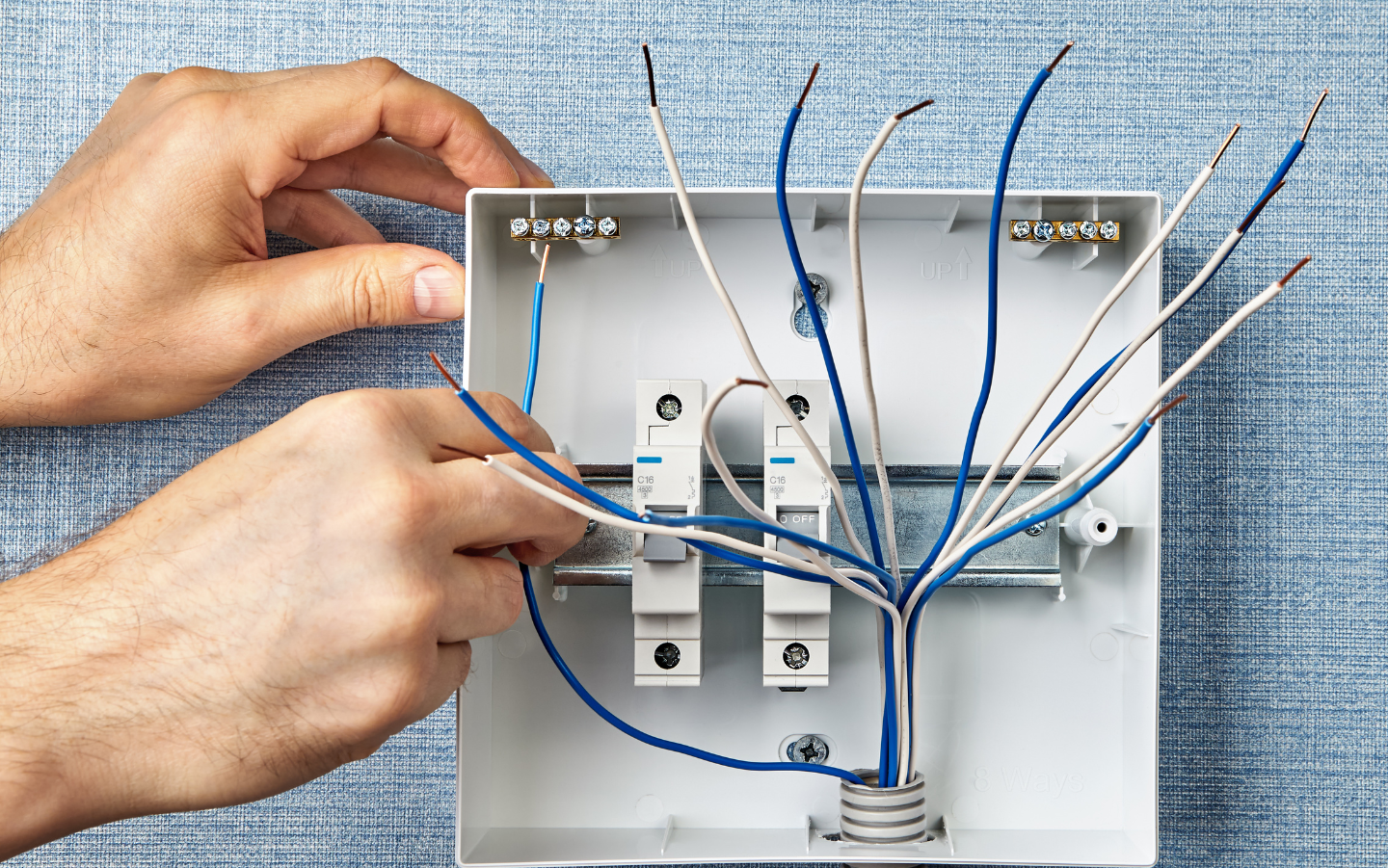
Electrical hazards are among the most serious risks in any workplace. Here is what every safety manager needs to know to protect workers, stay compliant, and build a proactive electrical safety program.
Electricity powers virtually every modern workplace — and it is also one of the leading causes of occupational fatalities and serious injuries. Electrocution ranks consistently among OSHA's most frequently cited hazards, and electrical fires account for billions of dollars in property damage annually. Yet despite this, electrical safety is often treated as a one-time training box to check rather than an ongoing, actively managed program.
For safety managers responsible for protecting workers and keeping their organizations compliant, understanding the full scope of electrical hazards — and building systems to address them — is essential. This guide covers the key risks, regulatory requirements, best practices, and how modern safety management tools can make electrical safety more consistent and measurable across your organization.
Understanding Electrical Hazards in the Workplace
Electrical injuries fall into four primary categories: electrocution (fatal electric shock), electric shock (non-fatal), electrical burns, and falls caused by electrical contact. Each can occur across a wide range of industries, from construction and manufacturing to healthcare and retail.
Common Sources of Electrical Hazards
The most frequent sources of electrical injury in workplaces include exposed or damaged wiring, overloaded circuits and extension cords, improper grounding, contact with overhead power lines, working on or near energized equipment, and inadequate lockout/tagout procedures. In industrial environments, arc flash events — explosive releases of energy caused by electrical faults — represent a particularly severe and underappreciated risk, capable of producing temperatures exceeding 35,000 degrees Fahrenheit and generating pressure waves that can cause fatal injuries at significant distances.
High-Risk Industries and Roles
Construction workers, electricians, maintenance technicians, utilities workers, and manufacturing operators face the highest electrical exposure. However, electrical hazards are not limited to these industries. Office workers face risks from overloaded power strips, improperly maintained equipment, and water near electrical sources. Any workplace that uses powered equipment — which is virtually every workplace — requires a systematic approach to electrical safety.
OSHA Electrical Safety Standards
OSHA's electrical safety standards are codified in 29 CFR 1910 Subpart S for general industry and 29 CFR 1926 Subpart K for construction. These standards establish requirements for safe work practices, equipment design, installation, and maintenance.
Key OSHA Requirements
OSHA requires employers to ensure all electrical equipment is listed and labeled by a nationally recognized testing laboratory, install ground fault circuit interrupters (GFCIs) in high-risk areas, maintain adequate clearances around electrical panels, provide appropriate personal protective equipment for electrical work, train employees on electrical hazards relevant to their job duties, and implement lockout/tagout procedures for controlling hazardous energy.
Lockout/Tagout: The Critical Procedure
Lockout/tagout (LOTO) is the procedure used to ensure that dangerous machines are properly shut off and cannot be unexpectedly energized while maintenance or servicing is being performed. OSHA's LOTO standard (29 CFR 1910.147) requires written procedures for each piece of equipment, trained authorized employees, regular periodic inspections of the program, and documentation of compliance. Violations of LOTO standards are among the most frequently cited by OSHA and are commonly implicated in serious injury and fatality investigations.
Building an Effective Electrical Safety Program
Hazard Identification and Risk Assessment
A strong electrical safety program starts with a systematic inventory of electrical hazards across all work areas. This includes identifying all electrical equipment and systems, documenting the hazards associated with each, assessing the likelihood and severity of potential incidents, and prioritizing corrective actions based on risk level. Risk assessments should be reviewed whenever new equipment is introduced, work processes change, or an electrical incident or near-miss occurs.
Training and Competency
OSHA requires that employees working on or near electrical equipment be trained on the specific hazards present in their work environment. Training should cover hazard recognition, safe work practices, emergency response procedures, and the proper use and maintenance of personal protective equipment. Importantly, training records must be maintained and refreshed regularly — not treated as a one-time onboarding activity.
Inspection and Preventive Maintenance
Regular inspection of electrical equipment, wiring, and controls is essential for identifying deterioration before it causes an incident. Inspection programs should include scheduled equipment checks, documentation of findings, prompt corrective action for deficiencies, and tracking of maintenance history for each piece of equipment. Digital inspection tools that capture findings in real time and automatically generate corrective action assignments can dramatically improve the consistency and traceability of these processes.
How SMS360 Supports Electrical Safety Management
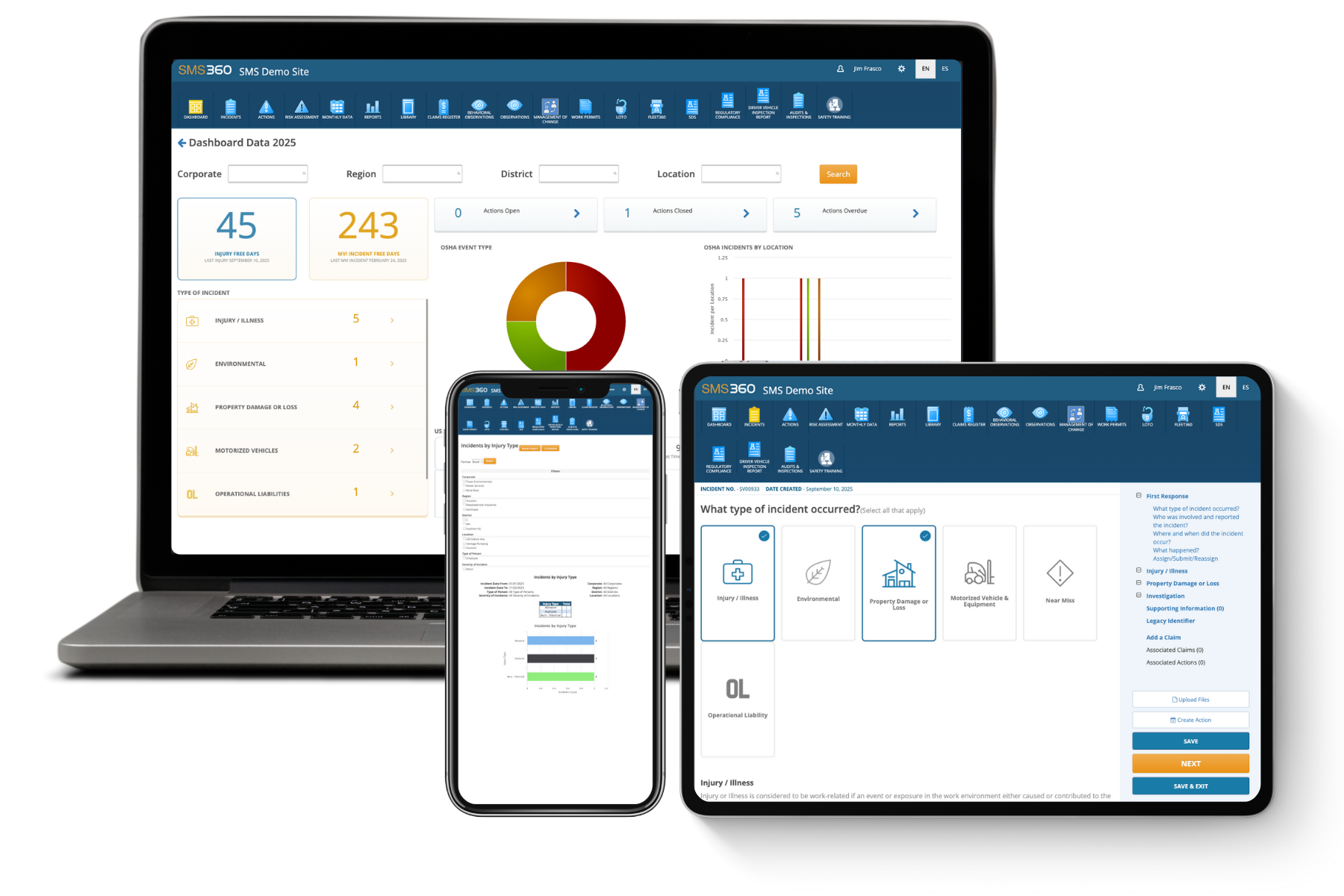
SMS360's lockout/tagout software allows organizations to digitize and verify LOTO procedures on a per-asset basis, track authorization and completion for every employee, and maintain a complete audit trail of compliance activity. Combined with SMS360's inspection and corrective action tools, safety managers can run electrical safety programs that are systematic, documented, and audit-ready — replacing paper checklists and spreadsheets with a connected system that gives real-time visibility into compliance status across every site.
Frequently Asked Questions on Electrical Safety
What is the difference between an electrical shock and electrocution?
Electric shock refers to the physiological reaction that occurs when electrical current passes through the human body. Depending on the current level, pathway through the body, and duration of contact, it can range from a mild sensation to cardiac arrest, severe burns, and respiratory failure. Electrocution is specifically the term used when an electric shock results in death. The distinction matters for incident classification and OSHA recordkeeping purposes. Even non-fatal electric shocks can cause serious internal injuries that are not immediately visible, which is why any electrical shock event should trigger a medical evaluation and a thorough incident investigation, regardless of how minor it appears at first.
What is arc flash and how can it be prevented?
Arc flash is an extremely dangerous electrical event that occurs when electrical current travels through the air between two conductors or between a conductor and ground, creating a sudden and violent release of energy. The resulting arc can produce temperatures far exceeding those of the surface of the sun, blinding light, a pressure wave, and molten metal. Prevention requires identifying all arc flash hazards through an engineering study, labeling equipment with arc flash warning information, establishing approach boundaries, requiring appropriate arc-rated personal protective equipment for anyone working within those boundaries, and implementing procedures to de-energize equipment before work begins wherever possible. An EHS platform that tracks equipment, maintains hazard documentation, and manages PPE requirements can significantly support arc flash prevention programs.
How often should electrical equipment be inspected?
Inspection frequency depends on the type of equipment, its age, the environment in which it operates, and the applicable regulatory requirements. OSHA does not specify universal inspection intervals for all electrical equipment, but requires that equipment be maintained in a safe condition. As a practical guide, portable electrical tools and extension cords should be inspected before each use, permanent wiring and panel systems should be professionally inspected at least annually, and critical production equipment should follow the manufacturer's recommended maintenance schedule. High-use, high-risk, or older equipment warrants more frequent inspection. All inspection results should be documented and tracked so that trends — such as recurring deficiencies on specific equipment — can be identified and addressed proactively.
What personal protective equipment is required for electrical work?
The required PPE for electrical work depends on the hazard level and the specific task being performed. At a minimum, workers performing electrical tasks should wear insulated gloves rated for the voltage level involved, safety glasses or face shields, and flame-resistant clothing appropriate for the arc flash incident energy at their work location. For higher-risk tasks — such as work on energized systems above certain voltage thresholds — arc flash suits, face shields rated for the appropriate incident energy, insulated tools, and voltage-rated footwear are required. OSHA and NFPA 70E (the standard for electrical safety in the workplace) provide detailed guidance on PPE selection based on hazard risk categories. Employers are responsible for conducting a hazard assessment, selecting appropriate PPE, providing it to workers, and ensuring it is properly maintained.
How can safety management software improve electrical safety compliance?
Safety management software improves electrical safety compliance by replacing fragmented paper-based processes with a connected, trackable system. Specifically, it can digitize lockout/tagout procedures so that every authorized employee follows the correct, current procedure for each piece of equipment; schedule and track electrical inspections with automatic reminders and completion verification; capture inspection findings and assign corrective actions with due dates and responsible parties; maintain training records for all employees with role-based visibility; and generate OSHA-ready reports and audit documentation on demand. The result is a program that is more consistent, more traceable, and more defensible in the event of an OSHA inspection or incident investigation than one managed through spreadsheets or paper checklists.
.png)