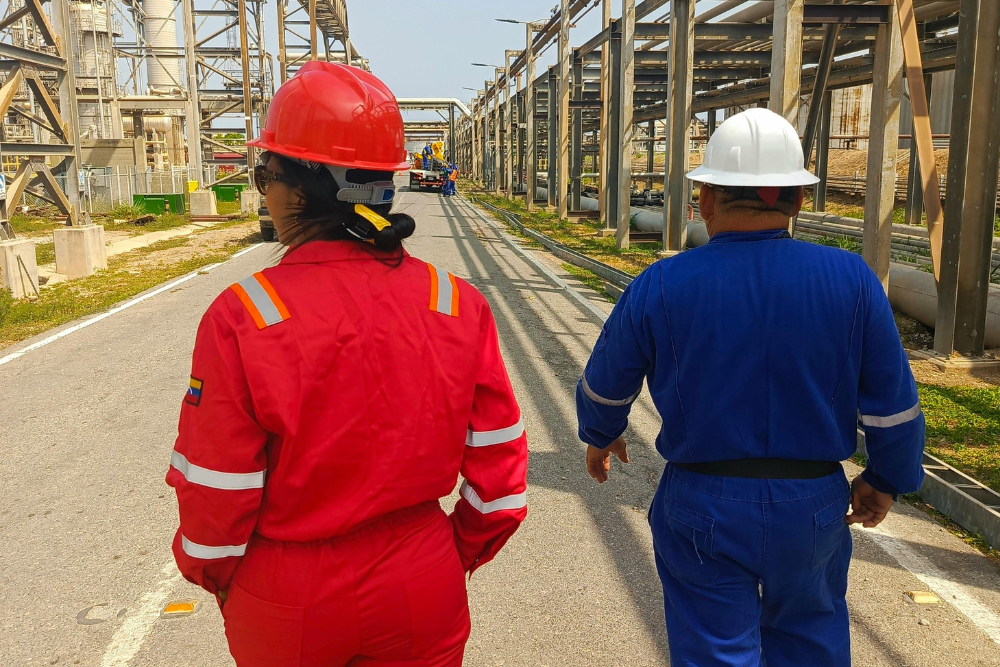
Workplace safety programs succeed or fail based on one core element: communication. Every procedure, training, and policy ultimately depends on how well information flows between managers, supervisors, and frontline workers. When communication is clear and consistent, hazards are caught earlier, employees feel empowered to speak up, and organizations maintain a proactive culture of safety. When it breaks down, even high-quality safety programs struggle to produce meaningful results.
In modern workplaces—where teams are distributed, turnover is high, and operations move quickly—safety communication must be intentional, structured, and ongoing. This article explores seven essential components of effective workplace safety communication and why each one matters.
1. Clear Expectations That Everyone Understands
Every safety program begins with expectations: what “safe work” looks like, who is responsible for what, and how employees should act when they see a hazard. The problem is that many companies assume expectations are understood simply because they’ve been stated once.
Clear safety communication means:
- Using simple, direct language free of jargon
- Repeating expectations through multiple channels (meetings, signage, digital tools)
- Ensuring new employees receive the same foundational information as seasoned workers
- Verifying understanding rather than assuming it
When expectations are unambiguous, employees know exactly how to behave and how to respond in unsafe situations. This reduces confusion and creates consistency across teams and shifts.
2. Two-Way Communication, Not Just Top-Down Messaging
One-way communication—telling employees what to do—has limits. Modern safety cultures rely on open dialogue, where employees feel comfortable sharing concerns, asking questions, and reporting hazards without fear of retaliation.
Two-way communication strengthens safety by:
- Surfacing issues supervisors may not see
- Building trust and psychological safety
- Encouraging workers to take ownership of risk reduction
- Ensuring policies are grounded in real operational needs
When safety communication becomes a conversation rather than a directive, organizations gain valuable insight from the people closest to the work.
3. Visual and Digital Tools That Reinforce Messages
People absorb and retain information differently. Studies consistently show that visual cues and repeated exposure significantly improve understanding, especially in busy or high-risk environments.
Effective workplaces incorporate tools such as:
- Wall signage and site maps
- Visual SOPs with diagrams or step-by-step photos
- Mobile alerts or digital reminders
- Dashboards showing training status, open actions, and recent incidents
Digital communication allows employees to access safety information wherever they are—on the shop floor, in the field, or on a job site. When information is easy to find and visually clear, compliance improves naturally.
4. Regular Safety Meetings and Tailgate Talks
Safety communication can't be a once-a-year training session. Frequent, structured conversations help keep safety top-of-mind and reinforce key messages.
Strong programs rely on:
- Daily or weekly toolbox talks
- Shift handoff notes with hazard updates
- Team meetings reviewing recent near misses or lessons learned
- Brief pre-job discussions identifying immediate risks
These short, consistent touchpoints help ensure that employees receive timely, relevant information. They also give teams a reliable forum to raise concerns before they turn into incidents.
5. Accessible Training and Continuous Learning
Training is foundational—but to be effective, it must be accessible, repeatable, and designed for real comprehension. Every worker, regardless of experience or language, must understand how to perform tasks safely.
Effective safety training includes:
- On-demand access to materials
- Refresher courses to prevent skill fade
- Scenario-based learning to build practical understanding
- Multilingual resources when needed
- Ongoing evaluations to measure retention
Communication doesn’t end when training is completed; it continues through reminders, coaching, and reinforcement on the job. A workplace committed to continuous learning naturally becomes a safer one.
6. Transparent Reporting Systems and Feedback Loops
Employees are far more likely to report hazards when the process is easy and when they see clear follow-through. Safety communication must make it simple for workers to report concerns and feel confident that their voices matter.
Strong reporting systems feature:
- Quick, accessible forms (digital or paper)
- Anonymous options
- Clear explanations of what happens after a report is submitted
- Feedback loops so employees know their input led to action
Transparency reinforces trust—and trust increases participation. When workers understand how reporting contributes to prevention, communication becomes a driver of safer behavior across the organization.
7. Leadership That Models the Right Behaviors
No safety communication strategy can succeed without leadership commitment. Employees watch actions more than they listen to instructions. When supervisors and executives consistently demonstrate safe practices, it sends a powerful message about priorities.
Leadership communication should include:
- Showing up for safety meetings, not skipping them
- Taking the time to correct unsafe conditions immediately
- Recognizing employees who model proactive safety behavior
- Communicating openly about incidents and lessons learned
- Demonstrating that production goals never override safety
When leaders align their behaviors with their words, employees trust the safety message—and replicate it.
Building a Culture Where Safety Communication Thrives
Safety communication is more than sharing information—it's building a culture where people feel responsible for themselves and each other. Organizations that excel at communication typically share these characteristics:
- Consistency: The same message appears across every channel.
- Relevance: Communication is tailored to teams, job tasks, and risk levels.
- Accessibility: Information is available when and where employees need it.
- Participation: Employees contribute, question, and collaborate.
- Adaptability: Communication evolves as operations and risks change.
When safety communication reaches this level, it stops being a requirement and becomes part of everyday work. Hazards are spotted sooner. Training is retained longer. Employees step in to help one another. And the organization operates with greater confidence, continuity, and resilience.
Conclusion
Workplace safety communication is a continuous process, not a one-time initiative. By focusing on these seven essentials, organizations build stronger, more proactive safety cultures that protect their people and reduce preventable incidents. Whether in manufacturing, construction, logistics, or any other industry, clear communication is the foundation for safer work and smarter decision-making.

.png)